Reduced Iron Environmental Fate & Ecotoxicity
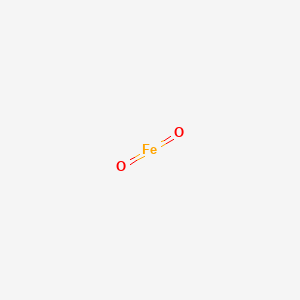
Identifiers
Where is Reduced Iron used, and what role does it play in each application?
Reduced iron functions as a micronutrient, a metallurgical feedstock, and a process agent across distinct sectors. In nutrition, it is used to prevent and treat iron-deficiency anemia and as a dietary supplement, particularly during pregnancy. In metallurgy, it is a primary component in steelmaking, including direct reduced iron as a clean supplement for ferrous scrap in electric arc furnaces, and in producing iron and steel castings, alloys, and powder metallurgy parts. It also serves as a catalyst in ammonia synthesis and chemical manufacturing, a pigment, a filler, a corrosion inhibitor, and a density-increasing agent in oil-well drilling fluids.
Which product or formulation problem does Reduced Iron address?
Reduced iron addresses iron deficiency and anemia by providing a bioavailable iron source for dietary supplementation and therapeutic use. In industrial applications, it solves formulation challenges by acting as a conductive agent, heat transferring agent, chemical reaction regulator, flocculating agent, and solids separation agent. It also improves material properties in metallurgy, such as increasing density in drilling fluids and serving as a clean alternative to scrap in steelmaking. Its role as a catalyst enables ammonia synthesis and other chemical reactions, while its use as a pigment and filler supports color and structural functions in various products.
What supports the main commercial or clinical uses of Reduced Iron?
Evidence for reduced iron's main uses comes from regulatory and compendial listings. It is recognized as a nutrient supplement under food additive regulations, with a provisional maximum tolerable daily intake established by JECFA. It is also listed as a therapeutic agent for treating and preventing iron-deficiency anemia. In metallurgy, its use is supported by documented production and consumption patterns, with over 90% of pig iron used in steelmaking and direct reduced iron serving as a scrap substitute in electric arc furnaces. Its role as a catalyst in ammonia synthesis is noted in industrial references.
Which formulation trade-offs should researchers consider for Reduced Iron?
Researchers must balance reduced iron's nutritional benefits against potential toxicity. While it is essential at recommended levels, high doses or overdoses can cause serious liver damage. The form of iron matters: ferric salts are less absorbed than ferrous salts, and iron oxides are virtually non-absorbable, affecting safety margins. In metallurgy, trade-offs include controlling carbon, silicon, phosphorus, sulfur, and manganese content to achieve desired properties, as these elements influence strength, hardness, and corrosion resistance. For industrial uses, its reactivity and catalytic properties must be managed to avoid unintended reactions.
What are the physicochemical properties of Reduced iron?
| Property | Value | Category |
|---|---|---|
| Physical Description | Dry Powder; Large Crystals, Information not available | Appearance |
| Exact Mass | 87.924765 | Computed Molecular Properties |
| Monoisotopic Mass | 87.924765 | Computed Molecular Properties |
| Topological Polar Surface Area | 34.1 | Computed Molecular Properties |
| Complexity | 18.3 | Computed Molecular Properties |
| Hydrogen Bond Donor Count | 0 | Computed Molecular Properties |
| Hydrogen Bond Acceptor Count | 2 | Computed Molecular Properties |
| Rotatable Bond Count | 0 | Computed Molecular Properties |
| Heavy Atom Count | 3 | Computed Molecular Properties |
| Formal Charge | 0 | Computed Molecular Properties |
Which formulation benchmark best contextualizes Reduced Iron, and what differs?
A relevant benchmark is iron oxide, which is used in cosmetics as a colorant (CI 77489) and is regulated under Annex IV of the EU Cosmetics Regulation. Unlike reduced iron, iron oxide has specific regulatory restrictions, including a ban on use in concentrations equal to or greater than 0.1% by weight in certain contexts. Reduced iron, in contrast, is not listed in cosmetic databases, and its use in cosmetics is not documented. This distinction highlights that reduced iron's primary applications are nutritional and industrial, not cosmetic, and that regulatory frameworks differ significantly between the two forms.