“Highlighted Ingredients:- Chitosan: Locks in flexible hold.- Argan Oil: Reduces frizz.”
Chitosan Consumer Sentiment
CtrlK
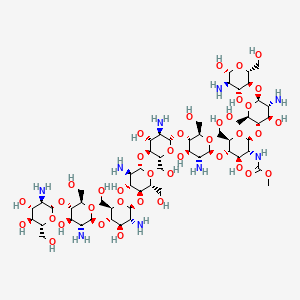
Identifiers
FormulaC56H103N9O39·CAS9012-76-4
Functions
AntistaticFILM Forming +2 more
How do consumers feel about products containing Chitosan?
Positive
Mixed
Negative
Consumer perception of Chitosan is divided between its established role as a restricted dietary supplement for weight loss and its emerging, positive reception in high-end hair care products, alongside significant regulatory concerns regarding safety.
Which consumer needs, benefits, and objections are associated with Chitosan?
Consumer conversations about Chitosan are primarily informational or regulatory, focusing on its use in hair styling products, scientific research, and platform safety policies rather than personal user experiences. The available evidence does not contain specific consumer needs, benefits, or objections. Commercial product data shows Chitosan is used in hair styling, face creams, lotions, and masks, but no claims regarding its specific benefits are present. The absence of consumer sentiment data means the perceived benefits and objections must be inferred from product types and patent claims, not from direct consumer feedback.
What do consumers discuss about Chitosan?
Hair Care Innovation
Chitosan is widely recognized and praised in the context of Dyson's hair styling products for providing flexible hold and frizz reduction without stiffness.
pinterest
tiktok
Dietary Supplement & Weight Loss
Chitosan is frequently associated with weight management supplements derived from shellfish, though this usage is increasingly scrutinized by platforms.
pinterest
youtube
Regulatory Restrictions
Major social media platforms explicitly ban or restrict the sale of chitosan as an ingestible supplement due to safety concerns.
facebook
How are current products and patent claims responding to consumer concerns about Chitosan?
Current products and patent claims respond to consumer concerns by leveraging Chitosan's film-forming, antimicrobial, and delivery capabilities. Commercial products focus on hair styling (22 products), face creams (10), and lotions (9), indicating a market presence in sensory and functional categories. Patent claims address concerns like antimicrobial efficacy (CN224612959U), scalp irritation (CN122499089A), and hair color fading (EP4750438A1). These claims show a response to needs for durability, controlled release, and reduced irritation, but they are claimed approaches, not evidence of product adoption.
What concerns do consumers raise about Chitosan?
Safety risks leading to platform bans on ingestible forms
facebook
Shellfish origin causing allergy concerns
pinterest
Where is the gap between consumer expectations and the current Chitosan offering?
The gap between consumer expectations and the current Chitosan offering lies in the lack of direct consumer evidence linking the ingredient to desired benefits. While products exist in hair styling and skincare, and patents claim benefits like antimicrobial action and anti-aging, there is no consumer sentiment data confirming these benefits are recognized or valued. The commercial product data also lacks concentration details and explicit ingredient lists, making it difficult to verify if Chitosan is present at efficacious levels. This creates a disconnect between the ingredient's technical capabilities and its perceived consumer value.
Which formulation approaches are being used to address those concerns around Chitosan?
Formulation approaches address Chitosan's limitations by modifying its structure and combining it with other materials. To improve sensory experience, low molecular weight chitosans are used in polyion complexes to reduce film stickiness and improve spreadability (US2026216045A1). For hair care, Chitosan is reacted with aldehydes to form semi-permanent films (EP3471832B1) or neutralized with acids for temporary reshaping (DE102015225420B4). For controlled release, it is formed into pH-responsive gel beads (CN122478825A) and microspheres (CN122499089A) to protect actives and reduce irritation.
What consumer-led opportunity or risk should researchers consider for Chitosan?
A consumer-led opportunity exists in positioning Chitosan for sustainability and safety, as patent activity shows a strong focus on biodegradable packaging (CN122465191A), food preservation (EP4785792A1), and natural antimicrobial coatings (CN122406592A). This aligns with a broader consumer trend toward eco-friendly products. However, the risk is that consumer conversations are currently dominated by regulatory and platform policy discussions, not personal experiences, suggesting a lack of consumer awareness or engagement with Chitosan as a benefit-driven ingredient. Researchers should consider bridging this awareness gap.