“Canada's Big Mountain Foods has launched tofu made with fava beans instead of soy. The new product is the result of six years of development...”
Fava Bean Protein Consumer Sentiment
CtrlK
Identifiers
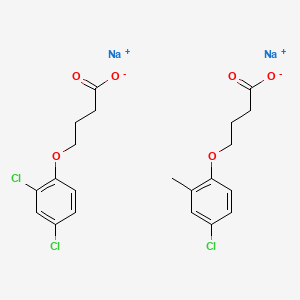
FormulaC21H21Cl3Na2O6·CAS8065-16-5
How do consumers feel about products containing Fava bean protein?
Positive
Mixed
Negative
Consumers view fava bean protein as a highly sustainable, clean, and versatile ingredient that effectively replaces soy in various forms like tofu, shakes, and snacks.
Which consumer needs, benefits, and objections are associated with fava bean protein?
Consumers associate fava bean protein with muscle building, complete amino acid profiles, and digestive tolerance, often positioning it as a superior alternative to soy. They value its versatility in products like tofu and protein powders, and appreciate its role in flexitarian diets. A moderate concern exists about potential digestive discomfort or fermentation issues for individuals on restrictive diets like the Specific Carbohydrate Diet, though this is not widely reported. Overall sentiment is positive, with no negative objections recorded.
What do consumers discuss about Fava bean protein?
Soy Alternative & Tofu Innovation
Fava bean protein is celebrated for creating high-quality, soy-free tofu products that offer a complete amino acid profile without the allergens associated with soy.
pinterest
youtube
Sustainability & Local Sourcing
Consumers appreciate that fava beans are often grown locally (e.g., in New Zealand and Australia) and have a lower environmental footprint compared to other protein sources.
facebook
Clean Label & Dietary Restrictions
Fava bean protein is valued for being free from artificial additives, dairy, gluten, and common allergens, making it suitable for flexitarian, vegan, and sensitive diets.
lemon8-app
pinterest
How are current products and patent claims responding to consumer concerns about fava bean protein?
Current products and patent claims are responding to consumer demand for fava bean protein as a versatile, high-protein alternative to soy and animal proteins. Patent applications from Roquette Freres claim non-dairy fermented products using fava protein isolate to achieve specific texture and firmness, addressing consumer expectations for dairy-like structure. Another patent from Corn Products Development claims heat-moisture processed fava protein concentrate with controlled particle sizes and denaturation, aiming to improve functionality in general foods. These claims indicate formulation efforts to enhance texture and protein content, though they do not confirm product adoption.
Where is the gap between consumer expectations and the current fava bean protein offering?
The gap lies in digestive tolerance for sensitive consumers. While many users praise fava bean protein for being easy to digest, a moderate concern exists about fermentation issues for those on restrictive diets like the Specific Carbohydrate Diet. Current patent claims focus on texture and protein content but do not address digestibility or fermentability. This suggests an unmet need for formulations that minimize digestive discomfort while maintaining high protein and texture benefits.
Which formulation approaches are being used to address those concerns around fava bean protein?
Formulation approaches focus on improving texture and protein functionality. One patent claims a non-dairy fermented product with fava protein isolate, specifying protein content (2.5-12 g/100g) and pH (3.80-4.40) to achieve a firmness-to-protein ratio above 10, likely to mimic dairy texture. Another claims heat-moisture processing of fava protein concentrate (50-73% protein) to reduce denaturation enthalpy by 10-30% and increase particle sizes, which may improve water binding or mouthfeel. These approaches target consumer needs for palatable, high-protein plant-based foods.
What consumer-led opportunity or risk should researchers consider for fava bean protein?
A clear opportunity exists to position fava bean protein as a complete, soy-free protein source for muscle building and everyday nutrition, leveraging its positive consumer sentiment. However, the risk is the potential digestive discomfort for a niche but vocal segment, which could limit adoption in sensitive populations. Researchers should explore processing methods that reduce fermentable compounds while preserving protein quality and texture, as current patents do not address this concern.