“Introducing Transparent Labs 100% Pea Protein Isolate... 28 grams of complete protein per serving to support muscle growth and recovery.”
Pea Protein Isolate Consumer Sentiment
CtrlK
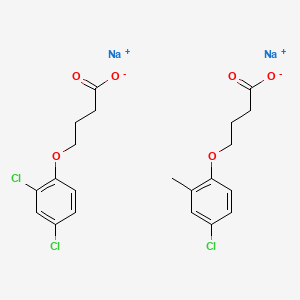
Identifiers
FormulaC21H21Cl3Na2O6·CAS8065-16-5
Functions
SKIN Conditioning
How do consumers feel about products containing Pea protein isolate?
Positive
Mixed
Negative
Consumers generally appreciate pea protein isolate for its high protein content, vegan nature, and muscle-building benefits, but significant concerns persist regarding its chalky texture, bland taste, and potential digestive issues or pesticide residues.
Which consumer needs, benefits, and objections are associated with pea protein isolate?
Consumers associate pea protein isolate with digestive comfort, clean ingredients, and muscle recovery, but they also raise two key objections: a chalky or mealy texture in unflavored varieties and an amino acid profile that is nearly complete but lacking methionine. The digestive benefit is frequently highlighted, with brands and consumers describing it as easy on the stomach. The texture concern is moderate, while the amino acid gap is minor and often addressed by blending with rice or hemp protein. These needs and objections shape product positioning and formulation priorities.
What do consumers discuss about Pea protein isolate?
Muscle Building and Recovery
Pea protein isolate is frequently cited as an effective source of complete protein for supporting muscle growth, recovery, and lean mass maintenance.
instagram
facebook
Texture and Taste Issues
Users often describe pea protein isolate as having a chalky, mealy, or bland consistency that requires flavoring or mixing with other ingredients to be palatable.
facebook
lemon8-app
Vegan and Allergen-Free Benefits
Pea protein isolate is valued by consumers for being plant-based, dairy-free, and suitable for those with allergies or specific dietary restrictions like gluten intolerance.
instagram
facebook
Digestive Sensitivity
Some users report that the mealy consistency or specific properties of pea protein can cause digestive discomfort or are simply not preferred for sensitive stomachs.
facebook
Amino Acid Profile Completeness
Discussions highlight that while pea protein is rich in lysine, it lacks methionine, often leading consumers to combine it with rice protein to achieve a complete amino acid profile.
facebook
How are current products and patent claims responding to consumer concerns about pea protein isolate?
Current products respond to consumer concerns by offering flavored versions to mask chalkiness, emphasizing smooth texture, and promoting complete protein claims. For example, one brand markets a 100% pea protein isolate with 28 grams of complete protein per serving, while another highlights a smooth, non-chalky powder. Brands also address the amino acid gap by recommending or offering blends with rice or hemp protein. No patent claims are available in the evidence, so the response is limited to product positioning and marketing rather than proprietary formulation innovations.
What concerns do consumers raise about Pea protein isolate?
Chalky, mealy, or bland taste and texture
facebook
Potential pesticide/herbicide residue from monoculture farming
facebook
Presence of lectins
facebook
Where is the gap between consumer expectations and the current pea protein isolate offering?
The main gap is between consumer expectations for a smooth, palatable texture and the reality of unflavored pea protein isolate, which is often described as chalky or mealy. While flavored versions mitigate this, the underlying texture issue remains a barrier for some users. Additionally, consumers expect a complete protein, but pea protein isolate is nearly complete, missing methionine, requiring blending with other sources. This creates an expectation that the ingredient alone should be nutritionally sufficient, which is not fully met without formulation adjustments.
Which formulation approaches are being used to address those concerns around pea protein isolate?
Formulation approaches focus on flavoring to improve taste and texture, and on blending pea protein with complementary plant proteins like rice or hemp to create a more complete amino acid profile. Flavored variants, such as salted caramel, are used to mask the natural chalky or mealy texture. Blending is recommended by experts and brands to cover all essential amino acids, addressing the methionine gap. These approaches are visible in product offerings and consumer guidance, but no patent claims are available to indicate novel formulation techniques.
What consumer-led opportunity or risk should researchers consider for pea protein isolate?
A clear opportunity exists for products that deliver a smooth, non-chalky pea protein isolate without requiring flavor masking, as texture is a moderate concern. Additionally, positioning pea protein isolate as a digestive-friendly, clean-label option aligns with strong consumer sentiment. However, the amino acid gap is a risk if not addressed through blending or fortification, as consumers may perceive the ingredient as inferior. Researchers should prioritize texture improvement and amino acid completeness to meet consumer expectations and differentiate in a competitive market.