Regulations of Pea Protein Isolate
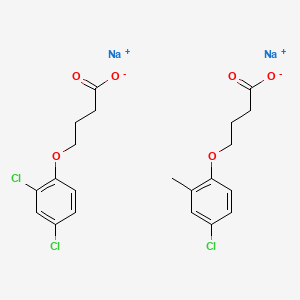
Identifiers
Functions
Where is pea protein isolate used, and what role does it play in each application?
Pea protein isolate functions primarily as a skin-conditioning agent in cosmetic and personal care products, based on its INCI listing as Pisum sativum protein. In food applications, it serves as a protein source and contributes to texture and stability in formulated products. Its role is to provide functional protein content while supporting desirable sensory and structural qualities, such as mouthfeel and emulsion stability, in plant-based and hybrid formulations.
Which product or formulation problem does pea protein isolate address?
Pea protein isolate addresses formulation challenges related to protein fortification and texture improvement in plant-based products. It helps solve the problem of achieving adequate protein content without relying on animal-derived ingredients, while also contributing to the stabilization of emulsions and improving overall product structure. In cosmetics, it addresses skin-conditioning needs by providing a plant-derived protein that supports skin feel and moisture retention.
What supports the main commercial or clinical uses of pea protein isolate?
The main commercial use of pea protein isolate as a skin-conditioning agent is supported by its active listing in the European Union's cosmetic ingredient database, where it is recognized without restrictions or maximum concentration limits. This regulatory status indicates acceptance for use in cosmetic formulations. For food applications, the evidence is less direct; the ingredient's general description implies functional roles, but no specific clinical or commercial use data were provided.
Which formulation trade-offs should researchers consider for pea protein isolate?
Researchers should consider that pea protein isolate may impart a characteristic flavor and color that can affect the sensory profile of finished products, requiring masking or complementary ingredients. Its functional properties, such as solubility and emulsification, can vary with processing conditions, impacting texture and stability. In cosmetics, the absence of concentration limits suggests flexibility, but formulators must still ensure product-specific stability and compatibility with other ingredients.
What are the physicochemical properties of Pea protein isolate?
| Property | Value | Category |
|---|---|---|
| Exact Mass | 520.01991 | Computed Molecular Properties |
| Monoisotopic Mass | 520.01991 | Computed Molecular Properties |
| Topological Polar Surface Area | 98.7 | Computed Molecular Properties |
| Complexity | 408.0 | Computed Molecular Properties |
| Hydrogen Bond Donor Count | 0 | Computed Molecular Properties |
| Hydrogen Bond Acceptor Count | 6 | Computed Molecular Properties |
| Rotatable Bond Count | 8 | Computed Molecular Properties |
| Heavy Atom Count | 32 | Computed Molecular Properties |
| Formal Charge | 0 | Computed Molecular Properties |
Which formulation benchmark best contextualizes pea protein isolate, and what differs?
A relevant formulation benchmark for pea protein isolate is soy protein isolate, as both are plant-derived proteins used for similar purposes in food and cosmetics. The key difference is that pea protein is often perceived as less allergenic and more sustainable, but it may have different solubility and emulsification profiles. In cosmetics, pea protein's skin-conditioning function aligns with other plant proteins, but its specific performance characteristics require direct comparison in each formulation.