Akkermansia Muciniphila
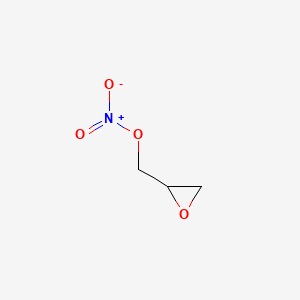
Identifiers
Functions
Where is Akkermansia muciniphila used, and what role does it play in each application?
Akkermansia muciniphila is used across food, beverage, pharmaceutical, and cosmetic applications, primarily as a probiotic or postbiotic. In food and beverage products, it appears in meal replacements, health functional foods, and supplements targeting satiety, blood glucose control, and metabolic health. In pharmaceuticals, it is claimed for treating metabolic disorders, liver fibrosis, atopic diseases, respiratory conditions, cognitive decline, and depression. Cosmetic applications include anti-photoaging, anti-aging, antioxidant, and hair loss prevention products. The ingredient functions as an active biological agent, often in live, pasteurized, or inactivated forms, to modulate gut microbiota, immune response, and metabolic pathways.
Which product or formulation problem does Akkermansia muciniphila address?
Akkermansia muciniphila addresses formulation challenges related to delivering unstable biological actives in consumer products. Its use in pasteurized or inactivated forms solves stability issues associated with live anaerobic bacteria, enabling incorporation into powders, solid beverages, chewable tablets, and gummies. The ingredient also helps create products targeting metabolic syndrome, appetite control, postprandial glucose spikes, and immune support, often combined with prebiotics or other actives to enhance efficacy. In cosmetics, it addresses skin aging and photoaging concerns. However, the evidence is primarily from patent claims, not clinical or market data, so the actual problem-solving efficacy in finished products remains unverified.
What supports the main commercial or clinical uses of Akkermansia muciniphila?
The main uses of Akkermansia muciniphila are supported by patent applications claiming specific strain benefits, such as improving metabolic syndrome, reducing liver fibrosis markers, alleviating atopic dermatitis, enhancing cognitive function, and promoting anti-aging effects. These patents describe mechanisms like increasing BDNF expression, reducing AST/ALT levels, and promoting GLP-1 secretion. However, patent applications are not proof of clinical efficacy or commercial adoption. No peer-reviewed literature, clinical trial data, or regulatory approvals were provided in the evidence, so the scientific validation of these uses remains limited to claimed approaches rather than established outcomes.
Which formulation trade-offs should researchers consider for Akkermansia muciniphila?
Key formulation trade-offs for Akkermansia muciniphila include choosing between live, pasteurized, or inactivated forms, which affects stability and efficacy. Pasteurized or inactivated forms are preferred for shelf stability and safety, but may lose some live-cell benefits. The ingredient is often combined with soluble fibers, prebiotics, or other probiotics to enhance functionality, but this increases formulation complexity and cost. Dosage forms range from powders to chewable tablets, requiring careful selection of excipients and processing conditions to maintain bacterial viability or postbiotic activity. Encapsulation or enteric coating may be needed to protect the bacterium from stomach acid, adding formulation challenges.
What are the physicochemical properties of Akkermansia muciniphila?
| Property | Value | Category |
|---|---|---|
| XLogP3 | 0.2 | Computed Molecular Properties |
| Exact Mass | 119.02185764 | Computed Molecular Properties |
| Monoisotopic Mass | 119.02185764 | Computed Molecular Properties |
| Topological Polar Surface Area | 67.6 | Computed Molecular Properties |
| Complexity | 97.9 | Computed Molecular Properties |
| Hydrogen Bond Donor Count | 0 | Computed Molecular Properties |
| Hydrogen Bond Acceptor Count | 4 | Computed Molecular Properties |
| Rotatable Bond Count | 2 | Computed Molecular Properties |
| Heavy Atom Count | 8 | Computed Molecular Properties |
| Formal Charge | 0 | Computed Molecular Properties |
Which formulation benchmark best contextualizes Akkermansia muciniphila, and what differs?
A relevant formulation benchmark is the probiotic composition, where Akkermansia muciniphila is combined with other probiotic strains like Bifidobacterium and Lactobacillus, along with prebiotics such as fructooligosaccharides and inulin. This benchmark differs from single-strain products by requiring careful balancing of multiple live organisms, each with distinct stability and compatibility profiles. The inclusion of vitamins, antioxidants, and stabilizers in such formulations adds complexity. Unlike typical probiotics, Akkermansia is often used in pasteurized form, which may simplify stability but requires different quality control metrics. This benchmark is useful for understanding multi-ingredient interactions and dosage form design.