“Boost your gut health and metabolism with Akkermansia! Support digestion, improve insulin sensitivity, and manage weight naturally with...”
Akkermansia Muciniphila Consumer Sentiment
CtrlK
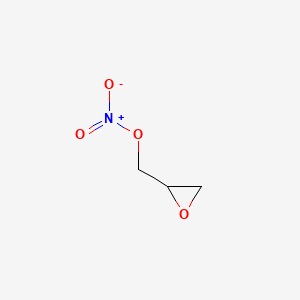
Identifiers
FormulaC3H5NO4·CAS6659-62-7·EC229-698-7
Functions
SKIN Conditioning
How do consumers feel about products containing Akkermansia muciniphila?
Positive
Mixed
Negative
Consumers view Akkermansia muciniphila as a highly effective, 'next-generation' solution for weight management, metabolic health, and gut barrier integrity, often expressing excitement about its potential to support GLP-1 pathways and improve body composition.
Which consumer needs, benefits, and objections are associated with Akkermansia muciniphila?
Consumers associate Akkermansia muciniphila with metabolic health, weight management, and gut barrier integrity, often framing it as a natural GLP-1 booster or complement to GLP-1 medications. Benefits cited include blood sugar control, weight control, and microbiome balance. No explicit objections were captured in the evidence, but the emphasis on dietary feeding strategies (polyphenols, apple peels) suggests some consumers prefer natural food-based approaches over supplements. The positive sentiment is consistent across brands, experts, and influencers, indicating strong consumer interest in this 'next-generation' probiotic.
What do consumers discuss about Akkermansia muciniphila?
Weight Loss and Metabolic Health
Akkermansia is heavily associated with maintaining lean physique, managing weight, improving insulin sensitivity, and supporting natural GLP-1 production.
instagram
facebook
lemon8-app
Gut Barrier Integrity and Leaky Gut
Consumers believe Akkermansia strengthens the gut lining, prevents leaky gut syndrome, and alleviates associated symptoms like bloating, IBS, and brain fog.
instagram
facebook
Dietary Feeding Strategies (Polyphenols)
Users actively share methods to naturally boost Akkermansia levels through polyphenol-rich foods like apple peels, pomegranate, cranberry, and teas.
facebook
lemon8-app
Supplement Availability and Trust
There is interest in specific branded supplements and pharmaceutical-grade distribution, with users noting the importance of reputable sources like Metagenics or specialized probiotic blends.
tiktok
Personal Experience and Validation
Individuals share personal anecdotes of feeling the effects of low Akkermansia levels and validating the benefits of raising them through diet or testing.
instagram
facebook
How are current products and patent claims responding to consumer concerns about Akkermansia muciniphila?
Commercial products and patent claims are responding to consumer interest by expanding Akkermansia muciniphila's applications beyond gut health into metabolic support, satiety, blood glucose control, and even anti-aging, cognitive function, and hair loss. Patent filings show a clear focus on inactivated or pasteurized forms to address stability and safety concerns, with combinations like soluble fibers for satiety or hypoglycemic ingredients for glucose control. This aligns with consumer desires for natural GLP-1 support and weight management, though patents represent claimed approaches, not market adoption.
Where is the gap between consumer expectations and the current Akkermansia muciniphila offering?
The gap lies between consumer expectations of Akkermansia muciniphila as a natural, food-based solution and the current offering, which is largely supplement or pharmaceutical-oriented. While consumers seek to raise Akkermansia levels through diet (e.g., polyphenol-rich foods), patents focus on direct supplementation with inactivated bacteria or synbiotic combinations. This suggests a mismatch: consumers may prefer dietary approaches, but products are positioned as supplements. Additionally, the evidence does not show products that directly address the 'natural alternative to GLP-1' claim, leaving a potential unmet need for food-based delivery formats.
Which formulation approaches are being used to address those concerns around Akkermansia muciniphila?
Formulation approaches are leveraging inactivated or pasteurized Akkermansia muciniphila to improve stability and safety, as seen in patents for satiety, blood glucose, and metabolic disorder compositions. These are often combined with soluble dietary fibers, prebiotics, or other active ingredients to enhance efficacy and delivery. Some patents also explore live strains with specific traits like acid resistance for probiotic formulations. This strategy addresses consumer concerns about viability and shelf-life while targeting metabolic benefits, though it does not confirm which approaches are commercially adopted.
What consumer-led opportunity or risk should researchers consider for Akkermansia muciniphila?
A consumer-led opportunity exists in developing food-based or dietary products that naturally boost Akkermansia muciniphila, given the strong consumer interest in polyphenol-rich foods and apple peels as feeding strategies. This could complement supplement offerings and align with the 'natural GLP-1' narrative. However, there is a risk of overpromising metabolic benefits without clinical substantiation, especially as patents expand into diverse claims like anti-aging and cognitive function. Researchers should focus on evidence-backed, food-first formats to meet consumer expectations while managing regulatory and safety boundaries.