“Bemotrizinol was approved by the FDA on June 9, 2026, becoming the first new sunscreen active ingredient added since the late 1990s. It provides broad-spectrum UVA and UVB protection and is known for its excellent photostability.”
Bemotrizinol Consumer Sentiment
CtrlK
Identifiers
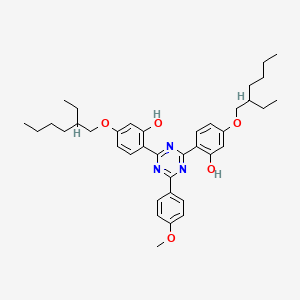
FormulaC38H49N3O5·CAS187393-00-6·EC425-950-7
Functions
HAIR ConditioningLight Stabilizer +2 more
How do consumers feel about products containing Bemotrizinol?
Positive
Mixed
Negative
Consumers and industry observers view Bemotrizinol as a significant, positive advancement in sunscreen technology due to its broad-spectrum protection and photostability, marking the first new active ingredient approved in decades.
Which consumer needs, benefits, and objections are associated with BEMOTRIZINOL?
Consumers associate Bemotrizinol with true broad-spectrum UVA/UVB protection, high photostability, and no white cast, positioning it as a superior sunscreen active. The ingredient is also valued for being a large molecule that does not absorb into the skin, addressing safety concerns. No explicit consumer objections were captured in the available evidence, but the absence of negative sentiment suggests a positive reception. The business implication is that Bemotrizinol can be marketed on performance and cosmetic elegance, though the lack of documented objections means formulators should monitor for emerging concerns as adoption grows.
What do consumers discuss about Bemotrizinol?
Historic FDA Approval
Users highlight that Bemotrizinol is the first new sunscreen active ingredient approved by the FDA since the late 1990s, representing a major milestone for US sun care.
lemon8-app
Broad-Spectrum Efficacy
The ingredient is praised for providing comprehensive UVA and UVB protection with excellent photostability, addressing gaps in previous formulations.
lemon8-app
youtube
Industry Readiness
Brands are preparing new formulations ahead of the approval, indicating market excitement and strategic planning around this new filter.
How are current products and patent claims responding to consumer concerns about BEMOTRIZINOL?
Patent claims are responding to consumer concerns by addressing formulation challenges such as the 'soaping effect,' whitening, and water repellency. DSM patents use film-forming agents like polyamides and alkanediols to reduce soaping, while a Kenvue application claims low-penetration compositions using high-molecular-weight UV absorbers. L'Oreal claims combine Bemotrizinol with mineral filters to achieve specific UVA protection ratios and reduce reactive oxygen species. These claims indicate a focus on sensory and safety improvements, though they represent proposed approaches, not confirmed product adoption.
Where is the gap between consumer expectations and the current BEMOTRIZINOL offering?
The gap lies in the lack of documented consumer objections and the limited evidence of commercial product availability. While consumers express positive expectations for broad-spectrum protection and no white cast, the patent landscape suggests formulators are still solving sensory issues like soaping and stickiness. This indicates that current offerings may not yet fully meet the high expectations for cosmetic elegance. The business implication is that early adopters may face a trade-off between performance and texture, creating an opportunity for brands that can deliver both.
Which formulation approaches are being used to address those concerns around BEMOTRIZINOL?
Formulation approaches target solubility, sensory feel, and stability. To improve solubilization, patents claim fatty acid dextrin esters with branched alkanes and specific cosmetic oils like isoamyl caprylate caprate. To reduce the 'soaping effect,' film-forming agents such as citrate polyesters, polyamides, and alkanediols are claimed. Transparent solutions and low-adhesiveness compositions address cosmetic elegance, while mica-based systems and combinations with pigmentary filters aim to reduce whitening. These approaches respond to consumer preferences for invisible, non-sticky sunscreens with high SPF.
What consumer-led opportunity or risk should researchers consider for BEMOTRIZINOL?
A consumer-led opportunity exists in expanding Bemotrizinol beyond facial sunscreens into hair care and microbiome-friendly claims, as recent patents suggest. Consumers value the ingredient's large molecular size and low absorption, which aligns with safety-conscious preferences. The risk is that the positive sentiment is based on limited early evidence, and any perceived gap between promised 'true broad-spectrum' protection and real-world product performance could erode trust. Researchers should prioritize validating sensory improvements and safety claims in consumer-relevant formats.