“The star of the show is the essential ceramides. Ceramides are naturally found in skin and help keep the barrier strong so water doesn’t escape too easily.”
Ceramides Consumer Sentiment
CtrlK
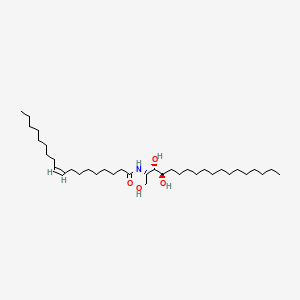
Identifiers
FormulaC36H71NO4·CAS178436-06-1·EC812-963-1
Functions
HAIR ConditioningSKIN Conditioning
How do consumers feel about products containing Ceramides?
Positive
Mixed
Negative
Consumers view ceramides as an essential, science-backed ingredient for repairing the skin barrier, retaining moisture, and soothing irritation, with strong brand loyalty to products like CeraVe that feature them prominently.
Which consumer needs, benefits, and objections are associated with ceramides?
Consumers primarily associate ceramides with repairing and protecting the skin barrier, often describing them as the 'glue' that prevents dryness and irritation. They seek ceramides for relief from eczema and itching, and for gentle cleansing that does not strip the skin. Benefits include restored barrier function, moisture retention, and soothing of reactive skin. No explicit objections were observed in the evidence; sentiment is uniformly positive, with trust in dermatologist-developed brands like CeraVe. The absence of negative feedback may reflect a limited sample, so objections could be underreported.
What do consumers discuss about Ceramides?
Barrier Repair and Restoration
Ceramides are consistently described as the primary mechanism for restoring the skin's natural lipid barrier, sealing in moisture, and protecting against environmental stressors.
lemon8-app
Hydration and Moisture Retention
Users associate ceramides with preventing water loss and keeping skin plump and hydrated, often pairing them with hyaluronic acid or glycerin for enhanced effects.
instagram
facebook
lemon8-app
Soothing Sensitive and Irritated Skin
Ceramides are recommended for calming redness, reducing inflammation, and providing relief for conditions like eczema, dryness, and sensitivity caused by other active ingredients.
instagram
lemon8-app
Brand Association with CeraVe
The term 'ceramides' is heavily associated with the brand CeraVe, which consumers trust for its dermatologist-developed formulas containing three essential ceramides.
instagram
facebook
lemon8-app
Multi-Ceramide Formulations
Consumers appreciate formulations that use multiple types of ceramides (e.g., 3, 5, or specific NP/AP/EOP types) to mimic the skin's natural lipid structure more effectively.
lemon8-app
How are current products and patent claims responding to consumer concerns about ceramides?
Current products respond to consumer demand by incorporating ceramides into cleansers, moisturizers, sunscreens, and itch-relief formulations, often combining them with niacinamide or filaggrin technology. Brands highlight specific ceramide counts (e.g., 'three essential' or 'five types') and skin-identical claims to signal efficacy. No patent claims were available in the evidence, so it is unclear how recent innovations are addressing these concerns. The market response is visible through product positioning, but without patent data, the direction of proprietary formulation development remains unknown.
What concerns do consumers raise about Ceramides?
Stinging or burning sensation upon application
youtube
Potential irritation from accompanying ingredients like Niacinamide or preservatives
youtube
Where is the gap between consumer expectations and the current ceramides offering?
The gap lies in the lack of evidence on how ceramides perform in hair and scalp care, a theme only occasionally noted, while facial skincare dominates consumer discussion. Consumers expect ceramides to provide multi-functional benefits—hydration, soothing, and barrier support—but the evidence does not show whether products deliver on these across all formats. Additionally, the absence of any negative feedback or comparisons suggests that consumer expectations may be met, but this could be due to limited data. More diverse product categories and long-term efficacy data are needed to close this gap.
Which formulation approaches are being used to address those concerns around ceramides?
Formulation approaches focus on combining ceramides with complementary lipids like cholesterol and fatty acids to mimic the skin's natural barrier, as seen in a 'triple formula' claim. Products also pair ceramides with niacinamide for anti-inflammatory and tone-evening benefits, and with menthol for rapid itch relief. The use of 'skin-identical' ceramides and multiple ceramide types suggests an emphasis on biomimicry and multi-pathway support. These approaches aim to address barrier repair, hydration, and sensitivity, but the evidence does not detail specific delivery systems or stability strategies.
What consumer-led opportunity or risk should researchers consider for ceramides?
A clear opportunity exists to expand ceramide-focused products into hair and scalp care, as consumers already recognize ceramides for strengthening and soothing in that context, though it is less discussed than facial skincare. Researchers should also consider the strong consumer trust in dermatologist-developed brands, which could be leveraged for new ceramide formulations. However, the lack of patent data and the absence of any consumer objections mean that the competitive landscape and potential formulation risks are not fully understood, so any opportunity should be pursued with caution.