Chickpea Protein
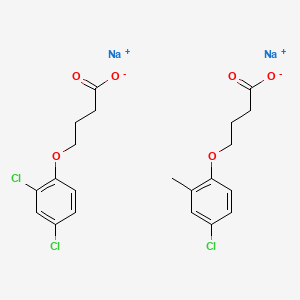
Identifiers
Where is chickpea protein used, and what role does it play in each application?
Chickpea protein is used in food and beverage applications as a base protein powder for dispersions, and in cosmetics as an active agent. In food, it functions as a plant protein source, with a patented method producing a highly soluble dispersion at 5.0% protein concentration. In cosmetics, a green processing method yields a high-protein isolate with enhanced antioxidant capacity, positioning it as an active ingredient. These roles highlight its versatility across edible and topical formulations, though the evidence is limited to patent filings rather than broad commercial adoption.
Which product or formulation problem does chickpea protein address?
Chickpea protein addresses solubility challenges in food formulations. A patented method combines heat treatment, high-pressure homogenization, and arginine addition to achieve a dispersion with 285% solubility, overcoming the poor water solubility typical of many plant proteins. This enables stable, high-protein beverages or liquid systems. In cosmetics, the protein solves the need for a high-protein, antioxidant-active ingredient, with processing steps that increase protein content and antioxidant capacity. These problem-solving roles are formulation-specific and not generalizable without further evidence.
What supports the main commercial or clinical uses of chickpea protein?
The main commercial and clinical uses of chickpea protein are supported only by patent filings, not by clinical trials or regulatory approvals. One patent demonstrates a method for preparing a highly soluble dispersion, indicating a claimed approach to improve solubility for food use. Another patent claims a green processing method for cosmetics, enhancing protein content and antioxidant capacity. These patents provide evidence of technical feasibility but do not confirm product adoption or clinical efficacy. No therapeutic uses or regulatory approvals are documented in the available evidence.
Which formulation trade-offs should researchers consider for chickpea protein?
Researchers should consider that chickpea protein's solubility is a key trade-off, requiring specific processing to achieve high solubility. The patented method uses 5.0% protein concentration, heat treatment at 80-100°C for 30-60 minutes, high-pressure homogenization at 60-100 MPa, and 0.5-1.0% arginine. These conditions add cost and complexity. In cosmetics, the green processing method involves pH adjustment and freeze-thaw cycles, which may affect protein functionality and yield. Trade-offs include processing energy, ingredient compatibility, and potential impacts on sensory or stability properties.
What are the physicochemical properties of Chickpea protein?
| Property | Value | Category |
|---|---|---|
| Exact Mass | 520.01991 | Computed Molecular Properties |
| Monoisotopic Mass | 520.01991 | Computed Molecular Properties |
| Topological Polar Surface Area | 98.7 | Computed Molecular Properties |
| Complexity | 408.0 | Computed Molecular Properties |
| Hydrogen Bond Donor Count | 0 | Computed Molecular Properties |
| Hydrogen Bond Acceptor Count | 6 | Computed Molecular Properties |
| Rotatable Bond Count | 8 | Computed Molecular Properties |
| Heavy Atom Count | 32 | Computed Molecular Properties |
| Formal Charge | 0 | Computed Molecular Properties |
Which formulation benchmark best contextualizes chickpea protein, and what differs?
A relevant formulation benchmark is a highly soluble plant protein dispersion, as chickpea protein's main challenge is solubility. The patented method achieves 285% solubility, which is notably high compared to typical plant proteins that often have lower solubility. The difference lies in the combination of heat, high-pressure homogenization, and arginine addition, which are not standard for all plant proteins. This benchmark is useful for evaluating chickpea protein's potential in beverages or liquid formulations, but it is based on a single patent claim and may not reflect typical commercial performance.