“Wellious Real Vanilla is a simple plant-based protein powder made with almond protein, chickpea protein... Each serving delivers plant-based protein and naturally occurring fiber in a simple formula made without gums, lecithin, sugar alcohols, dairy, soy, or artificial flavors.”
Chickpea Protein Consumer Sentiment
CtrlK
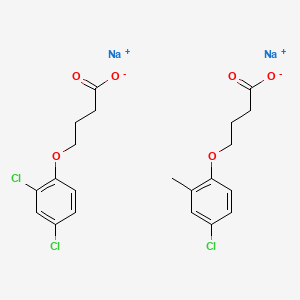
Identifiers
FormulaC21H21Cl3Na2O6·CAS8065-16-5
How do consumers feel about products containing Chickpea protein?
Positive
Mixed
Negative
Consumers view chickpea protein positively for its clean ingredient profile, versatility in recipes, and ability to provide a complete amino acid profile when blended with other plant sources.
Which consumer needs, benefits, and objections are associated with chickpea protein?
Consumers associate chickpea protein with versatile culinary use, nutritional density, and ethical eating. They value it as a high-protein, fiber-rich, gluten-free, and vegan-friendly ingredient that supports muscle building, digestion, and sustained energy. It is used as an egg substitute, in baking, and in meat alternatives. No explicit consumer objections were found in the evidence, but the absence of negative feedback may reflect the limited sample size rather than a true lack of concerns.
What do consumers discuss about Chickpea protein?
Clean Label & Minimal Ingredients
Consumers appreciate chickpea protein for being part of simple, recognizable ingredient lists free from artificial additives, gums, or sugar alcohols.
tiktok
facebook
Amino Acid Completeness via Blending
Users recognize that blending chickpea protein with pea and rice proteins helps create a complete essential amino acid profile.
lemon8-app
Versatility in Recipes
Chickpea protein is valued for its ease of use in diverse applications, ranging from smoothies and breakfast cereals to energy bites and baking.
lemon8-app
pinterest
How are current products and patent claims responding to consumer concerns about chickpea protein?
Commercial products position chickpea protein as a convenient, high-protein, plant-based option, often in blends with pea or rice protein to round out the amino acid profile. Patent claims respond to functional concerns: one patent claims a method for a highly soluble chickpea protein dispersion using heat, high-pressure homogenization, and arginine, directly addressing solubility and texture. Another claims a green processing method to increase protein content and antioxidant capacity, aligning with clean-label and functional health benefits. These patents are claims, not evidence of market adoption.
Where is the gap between consumer expectations and the current chickpea protein offering?
The gap lies between consumer expectations for whole-food versatility and the technical need for processed protein ingredients. Consumers celebrate chickpea flour and whole chickpeas for culinary flexibility and nutrition, while patent claims focus on improving solubility and extraction for use in dispersions or isolates. This suggests a disconnect: consumer enthusiasm is for familiar, whole-food formats, whereas commercial development may prioritize functional isolates that require more processing, potentially conflicting with clean-label expectations.
Which formulation approaches are being used to address those concerns around chickpea protein?
Formulation approaches target solubility and processing efficiency. One claimed method hydrates chickpea protein, applies water bath heating at 80-100°C, high-pressure homogenization at 60-100 MPa, and adds arginine to achieve a dispersion with 285% solubility. Another claims a green extraction using pH adjustment and freeze-thaw cycles to produce a high-protein isolate with enhanced antioxidant capacity. These approaches aim to improve texture, mouthfeel, and clean-label appeal, responding to consumer interest in functional, plant-based ingredients.
What consumer-led opportunity or risk should researchers consider for chickpea protein?
A consumer-led opportunity exists in positioning chickpea protein as a clean-label, whole-food alternative to processed protein powders. Consumers explicitly praise chickpea-based foods for being free of 'nasty protein powders' and for their gluten-free, vegan, and high-fiber attributes. Researchers should consider developing products that leverage chickpea flour or minimally processed forms to meet this demand, rather than focusing solely on highly refined isolates. The risk is that over-processing could undermine the perceived naturalness that drives current consumer appeal.