“ORGANIC GALACTO-OLIGOSACCHARIDES', LESS THAN 2% OF:”
Galactooligosaccharides Consumer Sentiment
CtrlK
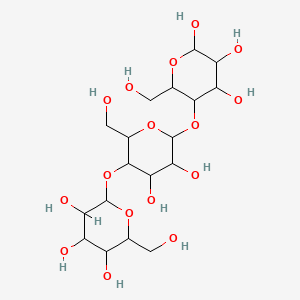
Identifiers
FormulaC18H32O16·CAS9037-55-2·EC232-913-7
Functions
HumectantSKIN Conditioning
How do consumers feel about products containing Galactooligosaccharides?
Positive
Mixed
Negative
Consumers and experts view Galactooligosaccharides (GOS) as a beneficial prebiotic ingredient that supports digestive health, particularly in infant formula and for managing traveler's diarrhea.
Which consumer needs, benefits, and objections are associated with galactooligosaccharides?
Consumers associate galactooligosaccharides (GOS) with two primary needs: infant gut health and digestive comfort. Parents view GOS as a beneficial prebiotic in organic infant formula, supporting healthy gut development. Conversely, individuals with IBS or food sensitivities identify GOS as a FODMAP trigger that can cause gas, bloating, and other digestive distress, creating a need for enzyme support to manage symptoms. Expert sources also frame GOS within broader prebiotic education, explaining its role alongside other oligosaccharides in gut health and FODMAP management. The sentiment is neutral to positive, with the main objection being GOS's potential to cause discomfort in sensitive populations.
What do consumers discuss about Galactooligosaccharides?
Infant Formula Prebiotic
GOS is identified as a key organic prebiotic ingredient in high-end infant formulas like Kendamil, valued by parents for its nutritional benefits.
lemon8-app
Digestive Health & Travel
Wellness providers highlight GOS as a solution for reducing traveler’s diarrhea and supporting gut calmness.
facebook
Dietary Fiber Sources
Educational content identifies GOS as a specific type of fiber found in legumes like lentils, beans, and chickpeas.
youtube
How are current products and patent claims responding to consumer concerns about galactooligosaccharides?
Current market responses address GOS concerns through two distinct approaches. For digestive comfort, enzyme supplement brands like FODZYME market products that target GOS and other FODMAP triggers, helping IBS sufferers consume these ingredients with confidence. In infant nutrition, formula brands highlight GOS as a key prebiotic component, with one consumer noting a patented formula. A recent patent claim (CN122398983A) positions GOS within a traditional Chinese medicine composition for intestinal health, specifically as part of a functional group for toxin removal. This patent claims GOS's role in supporting gut health within a broader detoxification context, though this is a claimed approach, not evidence of product adoption.
Where is the gap between consumer expectations and the current galactooligosaccharides offering?
The gap between consumer expectations and the current GOS offering lies in the tension between its prebiotic benefits and its FODMAP triggers. Consumers expect GOS to support gut health, yet for those with IBS, it can cause the very digestive distress they seek to avoid. While enzyme supplements offer a workaround, they add complexity and cost. The patent claim (CN122398983A) attempts to bridge this gap by embedding GOS in a composition that claims to support intestinal health and toxin removal, potentially appealing to consumers seeking holistic gut solutions. However, this does not address the core FODMAP sensitivity issue, leaving a clear unmet need for GOS formulations that deliver prebiotic benefits without triggering symptoms.
Which formulation approaches are being used to address those concerns around galactooligosaccharides?
Formulation approaches respond to GOS concerns by either isolating it for prebiotic benefit or pairing it with enzymes for digestibility. In infant formula, GOS is included as a standalone prebiotic ingredient, with the formula itself patented. For digestive health, enzyme products combine GOS-targeting enzymes with other FODMAP-digesting enzymes to mitigate symptoms. The patent claim (CN122398983A) takes a different approach, incorporating GOS into a multi-ingredient traditional Chinese medicine composition for intestinal health, alongside fructooligosaccharides and other botanicals. This formulation strategy positions GOS as one component of a broader gut health and detoxification system, rather than a standalone active.
What consumer-led opportunity or risk should researchers consider for galactooligosaccharides?
A distinct consumer-led opportunity exists in developing GOS formulations that are explicitly low-FODMAP or FODMAP-friendly, addressing the needs of IBS sufferers who currently rely on enzyme supplements. The patent claim (CN122398983A) suggests interest in combining GOS with other functional ingredients for gut health, but it does not solve the sensitivity problem. Researchers should consider whether GOS can be modified, dosed, or combined with enzymes to reduce its FODMAP impact while retaining prebiotic efficacy. The risk is that without such innovation, GOS may become increasingly associated with digestive discomfort, limiting its adoption in adult digestive health products despite its established benefits in infant nutrition.