“Café con ganoderma is a coffee infused with Ganoderma Lucidum, renowned for its antioxidant properties and potential health benefits... Consumers seeking health-oriented beverages will appreciate this blend for its organic credentials.”
Ganoderma Lucidum Ferment Consumer Sentiment
CtrlK
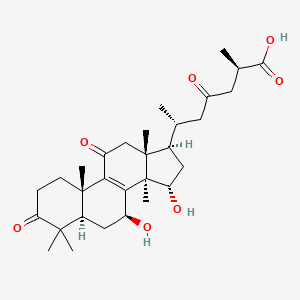
Identifiers
FormulaC30H44O7·CAS81907-62-2
Functions
SKIN Protecting
How do consumers feel about products containing Ganoderma lucidum ferment?
Positive
Mixed
Negative
Consumers view Ganoderma Lucidum as a beneficial wellness ingredient, particularly when integrated into coffee blends for energy and immune support, though the specific term 'ferment' is rarely used in direct consumer discourse.
Which consumer needs, benefits, and objections are associated with Ganoderma Lucidum Ferment?
Consumers associate Ganoderma Lucidum Ferment with immune support, stress relief, sleep improvement, and steady energy without caffeine-like jitters. These benefits are cited across social posts and a branded coffee product, with antioxidant properties and general wellness also mentioned. The main objection is that powdered forms may deliver fewer health benefits than extracts because drying and grinding do not break down chitin, limiting absorption of beta-glucans. This concern is moderate in severity and comes from a single consumer source, so it reflects an emerging skepticism rather than a widespread consensus.
What do consumers discuss about Ganoderma lucidum ferment?
Ganoderma Coffee Blends
Consumers frequently discuss Ganoderma-infused coffee products as a way to combine caffeine benefits with mushroom health properties.
lemon8-app
facebook
Immune and Energy Support
Posts highlight Ganoderma's role in boosting immunity, providing steady energy without jitters, and supporting overall vitality.
lemon8-app
facebook
Traditional Medicine Roots
Some content references the historical use of Ganoderma in traditional medicine and its reputation as a longevity herb.
facebook
How are current products and patent claims responding to consumer concerns about Ganoderma Lucidum Ferment?
Current products respond by embedding Ganoderma Lucidum in convenient formats like instant coffee sachets and energy drinks, pairing it with other mushrooms such as Lion’s Mane to emphasize steady energy and focus. Brand claims highlight immune support, calm nerves, and vitality, aligning with consumer desires for natural wellness. No patent claims were available in the supplied evidence, so there is no indication of proprietary formulation responses. The market appears to be addressing the extract-versus-powder objection by marketing extracts, but the evidence does not confirm whether all products use extraction processes.
Where is the gap between consumer expectations and the current Ganoderma Lucidum Ferment offering?
The gap lies between consumer expectations for high-efficacy extracts and the lack of transparent formulation information in marketed products. Consumers expect that Ganoderma Lucidum Ferment will provide immune and stress benefits, but they are skeptical of powders due to bioavailability concerns. Current product claims do not clearly communicate whether they use extracts or powders, nor do they provide evidence of beta-glucan content or absorption. This creates a trust risk: consumers may question efficacy if the form is not disclosed, especially given the moderate concern about powder inferiority.
Which formulation approaches are being used to address those concerns around Ganoderma Lucidum Ferment?
Formulation approaches focus on delivering Ganoderma Lucidum as an extract rather than a whole powder, based on consumer claims that extraction breaks down chitin and improves beta-glucan absorption. Products combine the ingredient with coffee or other mushroom extracts to create beverages that support immune function and provide calm energy. The evidence does not specify extraction methods, concentrations, or co-ingredient ratios, so formulators lack technical detail on how these products achieve their claimed benefits. This gap limits the ability to replicate or improve upon current approaches.
What consumer-led opportunity or risk should researchers consider for Ganoderma Lucidum Ferment?
A consumer-led opportunity exists for brands to differentiate by clearly labeling Ganoderma Lucidum as an extract and educating on bioavailability, directly addressing the powder skepticism. This could build trust and justify premium positioning, as consumers already associate extracts with superior health benefits. The risk is that overstating extraction benefits without substantiation could invite regulatory scrutiny or consumer backlash, especially since no clinical evidence was supplied. Researchers should prioritize generating or citing absorption and efficacy data to support such claims.