L Leucine Toxicity
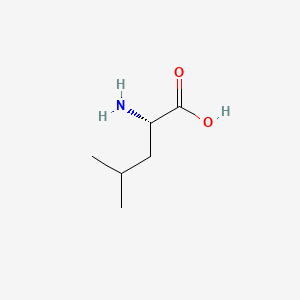
Identifiers
Functions
Which hazards are associated with L leucine?
GHS statements, classifications and precautions
Primary Hazards
Not Classified
Note
This chemical does not meet GHS hazard criteria for 100% (208 of 208) of all reports
ECHA C&L Notifications Summary
Aggregated GHS information provided per 208 reports by companies from 2 notifications to the C&L Inventory
Reported as not meeting GHS hazard criteria per 208 of 208 reports by companies
There are 0 notifications provided by 0 of 208 reports by companies with hazard statement code(s)
Hazard Classes and Categories
Not Classified
Hazards Summary
Teratogenicity and fetal loss observed in high dose animal studies; A more recent oral study of rats showed no adverse effects at 1,000 mg/kg during gestation; No human data available; [REPROTOX] Safe when used as a flavoring agent in food; [JECFA] May cause irritation; Shown to have tumor promoting activity for bladder carcinomas; [Sigma-Aldrich MSDS]
What toxicological effects are reported for L leucine?
Cosmetic Ingredient Review Finding(s)
Safe in the present practices of use and concentration. Ingredient, concentration, and use information are available in documents discoverable at
Toxicity Summary
This group of essential amino acids are identified as the branched-chain amino acids, BCAAs. Because this arrangement of carbon atoms cannot be made by humans, these amino acids are an essential element in the diet. The catabolism of all three compounds initiates in muscle and yields NADH and FADH2 which can be utilized for ATP generation. The catabolism of all three of these amino acids uses the same enzymes in the first two steps. The first step in each case is a transamination using a single BCAA aminotransferase, with a-ketoglutarate as amine acceptor. As a result, three different a-keto acids are produced and are oxidized using a common branched-chain a-keto acid dehydrogenase, yielding the three different CoA derivatives. Subsequently the metabolic pathways diverge, producing many intermediates. The principal product from valine is propionylCoA, the glucogenic precursor of succinyl-CoA. Isoleucine catabolism terminates with production of acetylCoA and propionylCoA; thus isoleucine is both glucogenic and ketogenic. Leucine gives rise to acetylCoA and acetoacetylCoA, and is thus classified as strictly ketogenic. There are a number of genetic diseases associated with faulty catabolism of the BCAAs. The most common defect is in the branched-chain a-keto acid dehydrogenase. Since there is only one dehydrogenase enzyme for all three amino acids, all three a-keto acids accumulate and are excreted in the urine. The disease is known as Maple syrup urine disease because of the characteristic odor of the urine in afflicted individuals. Mental retardation in these cases is extensive. Unfortunately, since these are essential amino acids, they cannot be heavily restricted in the diet; ultimately, the life of afflicted individuals is short and development is abnormal The main neurological problems are due to poor formation of myelin in the CNS
How can exposure to L leucine affect health?
Populations at Special Risk
Markedly elevated concentrations of branched chain amino acids (BCAA) and branched-chain alpha-keto acids are associated with maple-syrup urine disease; the latter is caused by an inborn error of metabolism in which branched-chain ketoacid dehydrogenase (BCKAD) is low or absent. BCAA imbalances appear not to cause these various diseases and physiological abnormalities, but rather result from them
What dose-response values are reported for L leucine?
Reported endpoints by species, route and conditions
| Endpoint | Species | Reported value |
|---|---|---|
| LD50 | Rat | Rat ip 5379 mg/kg |
| Non-Human Toxicity Values | LD50 Rat ip 5379 mg/kg |
What carcinogenicity evidence is reported for L leucine?
Human, animal and classification evidence
Carcinogen Classification
No indication of carcinogenicity to humans (not listed by IARC)
How should incidents involving L leucine be managed?
Immediate response and first-aid evidence
Disposal Methods
SRP: Criteria for land treatment or burial (sanitary landfill) disposal practices are subject to significant revision. Prior to implementing land disposal of waste residue (including waste sludge), consult with environmental regulatory agencies for guidance on acceptable disposal practices
SRP: At the time of review, regulatory criteria for small quantity disposal are subject to significant revision, however, household quantities of waste pharmaceuticals may be managed as follows: Mix with wet cat litter or coffee grounds, double bag in plastic, discard in trash
SRP: Expired or waste pharmaceuticals shall carefully take into consideration applicable DEA, EPA, and FDA regulations. It is not appropriate to dispose by flushing the pharmaceutical down the toilet or discarding to trash. If possible return the pharmaceutical to the manufacturer for proper disposal being careful to properly label and securely package the material. Alternatively, the waste pharmaceutical shall be labeled, securely packaged and transported by a state licensed medical waste contractor to dispose by burial in a licensed hazardous or toxic waste landfill or incinerator
What human and animal evidence is reported for L leucine?
Human Toxicity Excerpts
/HUMAN EXPOSURE STUDIES/ ... Thirteen healthy subjects (6 men and 7 women) were studied on 4 different occasions. Subjects were admitted to the special diagnostic and treatment unit after a 12 hr fast. They received test meals at 8:00 am. On the first occasion, they received water only. Thereafter, they received 25 g glucose or 1 mmol/kg lean body mass leucine or 1 mmol/kg lean body mass leucine plus 25 g glucose in random order. Serum leucine, glucose, insulin, glucagon, and alpha-amino nitrogen concentrations were measured at various times during a 2.5 hr period after ingestion of the test meal. The amount of leucine provided was equivalent to that present in a high-protein meal, that is, that approximately present in a 350 g steak. After leucine ingestion, the leucine concentration increased 7-fold; and the alpha-amino nitrogen concentration increased by 16%. Ingested leucine did not affect the serum glucose concentration. When leucine was ingested with glucose, it reduced the 2.5 hr glucose area response by 50%. Leucine, when ingested alone, increased the serum insulin area response modestly. However, it increased the insulin area response to glucose by an additional 66%; that is, it almost doubled the response. Ingested leucine stimulated an increase in glucagon. Ingested glucose decreased it. When ingested together, the net effect was essentially no change in glucagon area. In summary, leucine at a dose equivalent to that present in a high-protein meal, had little effect on serum glucose or insulin concentrations but did increase the glucagon concentration. When leucine was ingested with glucose, it attenuated the serum glucose response and strongly stimulated additional insulin secretion. Leucine also attenuated the decrease in glucagon expected when glucose alone is ingested. The data suggest that a rise in glucose concentration is necessary for leucine to stimulate significant insulin secretion. This in turn reduces the glucose response to ingested glucose
/OTHER TOXICITY INFORMATION/ There is no evidence that amino acids derived from usual or even high intakes of protein from foodstuffs present any risk
/OTHER TOXICITY INFORMATION/ Dietary calcium modulation of adiposity is mediated, in part, by suppression of calcitriol, while the additional effect of dairy products is mediated by additional components; these include the high concentration of leucine, a key factor in the regulation of muscle protein turnover. We investigated the effect of leucine, calcitriol and calcium on energy metabolism in murine adipocytes and muscle cells and on energy partitioning between adipocytes and skeletal muscle. Leucine induced a marked increase in fatty acid oxidation in C2C12 muscle cells (p < 0.001) and decreased FAS expression by 66% (p < 0.001) in 3T3-L1 adipocytes. Calcitriol decreased muscle cell fatty acid oxidation by 37% (p < 0.001) and increased adipocyte FAS gene expression by threefold (p < 0.05); these effects were partially reversed by either leucine or calcium channel antagonism with nifedipine. Co-culture of muscle cells with adipocytes or incubation with 48 hr adipocyte conditioned medium decreased muscle fatty acid oxidation by 62% (p < 0.001), but treating adipocytes with leucine and/or nifedipine attenuated this effect. Leucine, nifedipine and calcitriol also modulated adiponectin production and thereby exerted additional indirect effects on fatty acid oxidation in C2C12 myotubes. Adiponectin increased IL-15 and IL-6 release by myotubes and partially reversed the inhibitory effects of calcitriol. Comparable effects of leucine, calcitriol and adiponectin were found in myotubes treated with conditioned medium derived from adipocytes or co-cultured with adipocytes. These data suggest that leucine and nifedipine promote energy partitioning from adipocytes to muscle cells, resulting in decreased energy storage in adipocytes and increasing fatty acid utilization in muscle
/OTHER TOXICITY INFORMATION/ Studies both in vivo and in vitro have shown that leucine at a very high dose can stimulate muscle protein synthesis, an effect that is enhanced in vivo by insulin secreted in response to the leucine dose. High leucine can also inhibit protein degradation in skeletal muscle, as well as in liver. In contrast, at normal physiological levels, increasing leucine concentration by infusion stimulates muscle protein synthesis by enhancing its sensitivity to insulin. It is concluded that the role of leucine in vivo is to provide a signal that amino acids are available, which in combination with the signal of energy availability from insulin, stimulates muscle protein synthesis
Non-Human Toxicity Excerpts
/LABORATORY ANIMALS: Subchronic or Prechronic Exposure/ Branched-chain amino acids (BCAA), Leu, and the signaling pathways they regulate have been reported to either improve or worsen adiposity and insulin sensitivity. Therefore, it is unclear whether dietary supplementation of Leu would be beneficial ... The effect of adding Leu (150 mmol/L; Expt. 1 and Expt. 2) or BCAA (109 mmol/L of each; Expt. 3) to the drinking water on diet-induced obesity (induced with a 60-kJ% fat diet) in singly housed C57BL6/J male mice for at least 14 wk. Liquid and solid food intakes were evaluated weekly along with body weight. During the last few weeks, several blood samples were taken at different times for plasma glucose, total cholesterol, or Leu measurements. Metabolic rate by indirect calorimetry, locomotor activity by light beam breaking, body composition by H1-NMR, and insulin tolerance were also determined. Compared with control, supplementation did not affect body weight, food intake, oxygen consumption, locomotor activity, body composition, insulin tolerance, or total cholesterol. In fed mice, this method of Leu supplementation only increased plasma Leu by 76% when the supplemented group was compared with control. On the other hand, after overnight food deprivation, the plasma Leu did not differ between these 2 groups, even though the mice in the supplemented group had continuous access to Leu-containing water during the solid food deprivation. Taken together, the results do not provide evidence that either Leu or BCAA supplementation of drinking water ameliorates diet-induced obesity in mice, although it may improve glycemia
/LABORATORY ANIMALS: Chronic Exposure or Carcinogenicity/ There is evidence that isoleucine acts as a promoter of urinary bladder carcinogenesis in rats. Thus, ... 6-week-old rats /were exposed/ to low doses of N-butyl-N (4-hydroxybutyl) nitrosamine (BHBN), a known initiator of cancer of the urinary bladder, and their diets /were supplemented/ with isoleucine or leucine. After 40 weeks, the incidence of papillomas was significantly elevated in rats receiving isoleucine plus BHBN over that observed in the group receiving BHBN alone
/LABORATORY ANIMALS: Chronic Exposure or Carcinogenicity/ In a follow-up study of similar design, ... the experimental period /was extended/ to 60 weeks and included diets supplemented with 2 or 4% isoleucine or leucine. In this case, both dose levels of both amino acids significantly increased bladder carcinoma incidence over groups receiving BHBN alone or groups receiving amino acids alone (see Table). It thus appears that both leucine and isoleucine are potent promoters of bladder neoplasms in rats at dietary levels of 2% and above; a no-effect level was not identified in either of the above studies. There is no evidence that either amino acid is carcinogenic in the absence of an initiating agent. (a) = Dietary level refers to level of amino acid addition. N-butyl-N (4-hydroxybutyl) nitrosamine (BHNB) was administered at a dose below that known to induce bladder tumors. No papillomas or preneoplastic lesions were observed in the control groups or in the amino acid groups
Table: Incidences of Bladder Carcinomas in Rats After 60 Weeks
/LABORATORY ANIMALS: Developmental or Reproductive Toxicity/ ... Leucine is a teratogen when it is administered by intraperitoneal injection in pregnant female rats at doses as low as 15 mg/kg of body weight. The author suggested that the effects, which were multiple and serious, may have resulted from amino acid imbalances that adversely affected protein synthesis during embryonic development
What treatment evidence and interactions are reported for L leucine?
Antidote and Emergency Treatment
/SRP:/ Immediate first aid: Ensure that adequate decontamination has been carried out. If patient is not breathing, start artificial respiration, preferably with a demand valve resuscitator, bag-valve-mask device, or pocket mask, as trained. Perform CPR if necessary. Immediately flush contaminated eyes with gently flowing water. Do not induce vomiting. If vomiting occurs, lean patient forward or place on the left side (head-down position, if possible) to maintain an open airway and prevent aspiration. Keep patient quiet and maintain normal body temperature. Obtain medical attention. /Poisons A and B/
/SRP:/ Basic treatment: Establish a patent airway (oropharyngeal or nasopharyngeal airway, if needed). Suction if necessary. Watch for signs of respiratory insufficiency and assist ventilations if needed. Administer oxygen by nonrebreather mask at 10 to 15 L/min. Monitor for pulmonary edema and treat if necessary ... . Monitor for shock and treat if necessary ... . Anticipate seizures and treat if necessary ... . For eye contamination, flush eyes immediately with water. Irrigate each eye continuously with 0.9% saline (NS) during transport ... . Do not use emetics. For ingestion, rinse mouth and administer 5 mL/kg up to 200 mL of water for dilution if the patient can swallow, has a strong gag reflex, and does not drool ... . Cover skin burns with dry sterile dressings after decontamination ... . /Poisons A and B/
/SRP:/ Advanced treatment: Consider orotracheal or nasotracheal intubation for airway control in the patient who is unconscious, has severe pulmonary edema, or is in severe respiratory distress. Positive-pressure ventilation techniques with a bag valve mask device may be beneficial. Consider drug therapy for pulmonary edema ... . Consider administering a beta agonist such as albuterol for severe bronchospasm ... . Monitor cardiac rhythm and treat arrhythmias as necessary ... . Start IV administration of D5W /SRP: "To keep open", minimal flow rate/. Use 0.9% saline (NS) or lactated Ringer's if signs of hypovolemia are present. For hypotension with signs of hypovolemia, administer fluid cautiously. Watch for signs of fluid overload ... . Treat seizures with diazepam or lorazepam ... . Use proparacaine hydrochloride to assist eye irrigation ... . /Poisons A and B/
Interactions
High dietary levels of leucine suppressed the growth of rats fed a low protein diet, and the growth suppression could be prevented by supplementation with isoleucine and valine
It has been well established that the branched chain amino acids (BCAA) compete with other large neutral amino acids (LNAA, particularly tryptophan and tyrosine) for membrane transport. Although the BCAA do not act as direct precursors for neurotransmitters, they can affect transport of certain LNAA across the blood-brain barrier, and thereby influence central nervous system concentrations of certain neurotransmitters
Diets supplemented with glutamine, glutamine plus dihydroxyacetone, and glutamine plus dihydroxyacetone plus leucine were administered to male Sprague-Dawley rats for 1 wk. These are combinations that have been shown to stimulate hepatic glycogen synthesis in vitro. Food intake and body weight were monitored throughout the experiment. At the end of the feeding period, rats were fed a test meal and injected with 3H2O to measure in vivo rates of glycogen and lipid synthesis. Positional analysis of the 3H incorporated into glycogen was used to determine the proportion of glycogen synthesized via pyruvate. Final levels of plasma glucose and triacylglycerol and hepatic glycogen were also measured. Dietary glutamine increased hepatic glycogen synthesis. Addition of dihydroxyacetone, with or without additional leucine, caused an additional increase in hepatic glycogen synthesis and increased the proportion of glycogen synthesized via pyruvate. Lipogenesis was not altered in the liver or adipose tissue. None of the dietary treatments had any effect on food intake, but the diets that contained dihydroxyacetone decreased the rate of weight gain
Aging is characterized by a progressive loss of muscle mass that could be partly explained by a defect in the anabolic effect of food intake. ... This defect resulted from a decrease in the protein synthesis response to leucine in muscles from old rats. ... /This/ study assessed the effect of antioxidant supplementation on leucine-regulated protein metabolism in muscles from adult and old rats. Four groups of 8 and 20 mo old male /Wistar/ rats were supplemented or not for 7 wk with an antioxidant mixture containing rutin, vitamin E, vitamin A, zinc, and selenium. At the end of supplementation, muscle protein metabolism was examined in vitro using epitrochlearis muscles incubated with increasing leucine concentrations. In old rats, the ability of leucine to stimulate muscle protein synthesis was significantly decreased compared with adults. This defect was reversed when old rats were supplemented with antioxidants. It was not related to increased oxidative damage to 70-kDa ribosomal protein S6 kinase that is involved in amino acid signaling. These effects could be mediated through a reduction in the inflammatory state, which decreased with antioxidant supplementation