“Why does paper turn brown over time? The phenomenon is mainly caused by lignin... Lignin can be found in most paper products, and as it breaks down, it weakens the cellulose fibers of the paper, causing it to become brittle and brown.”
Lignin Consumer Sentiment
CtrlK
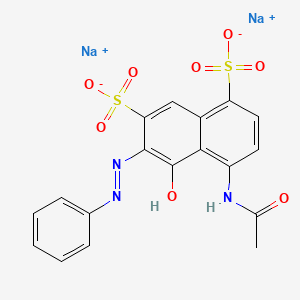
Identifiers
FormulaC18H13N3Na2O8S2·CAS9005-53-2·EC302-591-3
Functions
AbsorbentBulking +2 more
How do consumers feel about products containing Lignin?
Positive
Mixed
Negative
Consumer conversations about lignin are primarily educational or functional, focusing on its role in paper degradation, horse nutrition, and product authenticity rather than expressing strong emotional opinions.
Which consumer needs, benefits, and objections are associated with Lignin?
Consumers associate lignin with both benefits and drawbacks. Positively, it is recognized as a natural aromatic polymer that enables trees to grow tall, and some consumers believe it can bind excess estrogen for hormonal balance. However, the most common and serious objection is that lignin causes paper to yellow, become brittle, and emit a distinct 'old-book smell' as it degrades over time. There is also a moderate concern that removing lignin to create engineered wood may not be an environmentally friendly process, challenging its 'green' image. These perceptions are largely based on consumer education content rather than direct product experience.
What do consumers discuss about Lignin?
Paper yellowing and aging
Lignin is frequently cited as the primary cause of paper turning brown and brittle over time due to oxidation and acid migration.
facebook
lemon8-app
Product authenticity and quality
The presence of natural lignin is used as a marker of authenticity for wood-pulp bannetons, distinguishing them from inferior recycled paper products.
facebook
Digestibility in animal feed
In equine contexts, lignin is described as an indigestible fiber component that reduces the nutritional value of mature hay.
facebook
How are current products and patent claims responding to consumer concerns about Lignin?
Commercial products containing lignin are limited, with only a few examples such as a laundry detergent and a stone surface sealer, and no current products explicitly market lignin as a feature. In contrast, patent activity is extensive and directly addresses consumer concerns. For instance, patents claim lignin-based UV filters for sunscreens to replace synthetic filters, and lignin-based fillers in rubber to reduce petroleum-based oils. These claims respond to sustainability and safety concerns, but they represent proposed approaches, not proven market adoption. The gap between patent claims and actual product availability is significant.
What concerns do consumers raise about Lignin?
Lignin causes paper to become brittle and yellow over time
facebook
lemon8-app
High lignin content makes hay less digestible for horses
facebook
Where is the gap between consumer expectations and the current Lignin offering?
The main gap is that consumers primarily view lignin negatively due to its role in paper degradation, while current product offerings are minimal and do not communicate lignin's benefits. Patents propose solutions for UV protection, biodegradability, and reduced petroleum use, but these are not yet reflected in consumer-available products. Additionally, consumers question the environmental friendliness of lignin removal processes, yet patent claims often emphasize sustainability without addressing this specific concern. This disconnect between consumer awareness, product availability, and the sustainability narrative creates a significant expectation gap.
Which formulation approaches are being used to address those concerns around Lignin?
Formulation approaches in patents focus on modifying lignin to overcome its limitations. To address color and solubility issues in cosmetics, patents claim nano-sizing lignin, encapsulating it in materials like ZIF-8, or using enzymatic treatment to create water-soluble, light-colored derivatives for UV protection. For packaging, lignin is modified into nanoparticles or combined with other biopolymers to improve water and oil resistance, replacing fluorinated compounds. In rubber and composites, lignin is chemically modified (e.g., esterified, hydrophobized) to enhance compatibility and performance as a filler, reducing reliance on carbon black or oil-based softeners.
What consumer-led opportunity or risk should researchers consider for Lignin?
A clear opportunity is to leverage lignin's natural origin and functional benefits, such as UV protection and biodegradability, to appeal to consumers seeking sustainable alternatives. However, the risk is that consumer perception is currently dominated by lignin's negative association with paper yellowing and the perceived non-green nature of its extraction. Researchers should focus on developing and communicating solutions that directly counter these objections, such as light-colored, water-soluble lignin derivatives for cosmetics and transparent, recyclable packaging. Without addressing these perception gaps, even technically sound innovations may face consumer resistance.