“The alternative protein of choice in our Sumo-Style Nabe is naturally derived from Quorn’s mycoprotein through fermentation... giving rise to a satisfying texture with every bite.”
Mycoprotein Consumer Sentiment
CtrlK
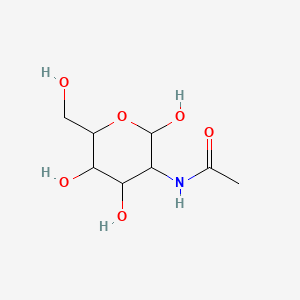
Identifiers
FormulaC8H15NO6
How do consumers feel about products containing Mycoprotein?
Positive
Mixed
Negative
Consumers view mycoprotein as a promising, versatile, and effective plant-based protein source that offers meat-like texture and comparable muscle-building benefits.
Which consumer needs, benefits, and objections are associated with Mycoprotein?
Consumer conversations about mycoprotein are limited but neutral-to-positive, with the primary need being recognition of it as a plant-based protein source, specifically associated with the Quorn brand. The only observed benefit is its fungal origin, which consumers accept as a unique protein source. No explicit objections were captured in the evidence, but the absence of negative sentiment suggests that concerns may be latent or unexpressed. The business implication is that mycoprotein's brand association with Quorn may both anchor consumer trust and limit broader category awareness. A research boundary is that only one consumer source was available, so needs and objections are not comprehensively mapped.
What do consumers discuss about Mycoprotein?
Texture and Culinary Versatility
Users highlight mycoprotein's satisfying texture and ability to mimic meat in dishes like nuggets and soups.
facebook
tiktok
Nutritional Efficacy and Muscle Building
Scientific discussions suggest mycoprotein supports muscle mass and strength gains comparable to animal protein.
youtube
Sustainability and Production Efficiency
The fermentation process is praised for being quick and utilizing agricultural waste to create protein-rich substances.
facebook
How are current products and patent claims responding to consumer concerns about Mycoprotein?
Current product and patent activity is responding to mycoprotein's role as a primary structural protein in meat alternatives, with a recent patent application from Meatless B V claiming a method to improve structural integrity by combining mycoprotein with alginate and a calcium-based curing process. This approach directly addresses potential consumer concerns about texture and mouthfeel in plant-based products, which are common barriers to adoption. The patent positions mycoprotein as the main structural component at 5-97% concentration, indicating formulation efforts to maximize its use rather than as a minor additive. However, patent claims are not evidence of product adoption, and no commercial products beyond the Quorn association were identified in the evidence.
What concerns do consumers raise about Mycoprotein?
Difficulty meeting protein goals due to lower density compared to meat
youtube
Where is the gap between consumer expectations and the current Mycoprotein offering?
The gap lies in the disconnect between consumer recognition of mycoprotein as a Quorn-specific ingredient and the broader market's need for diverse, appealing plant-based protein options. While consumers accept mycoprotein's fungal origin, the evidence shows no awareness of other brands or product formats, suggesting that the offering is perceived as narrow. The patent activity indicates a formulation push to improve texture, but this is not yet reflected in consumer conversations, which remain informational rather than experiential. The implication is that mycoprotein's market potential may be constrained by brand lock-in and a lack of visible innovation, even as technical development advances. A boundary is that consumer data is too sparse to quantify the gap precisely.
Which formulation approaches are being used to address those concerns around Mycoprotein?
The primary formulation approach observed is a patent-claimed method that combines mycoprotein with a plant protein source, alginate, and water to form a pre-mix, which is then shaped and cured with calcium solutions to create a skin that preserves structural integrity during further processing. This two-stage curing process—first a skin cure, then a full cure—is designed to maintain shape and texture, directly targeting consumer concerns about the mouthfeel of plant-based proteins. The inclusion of alginate as a gelling agent and the use of low-temperature curing (5-8°C) suggest a focus on achieving a meat-like texture. This is a claimed approach, not proof of commercial use, and no other formulation strategies were found in the evidence.
What consumer-led opportunity or risk should researchers consider for Mycoprotein?
The consumer-led opportunity is to leverage mycoprotein's positive association with Quorn to expand into new product categories and formats, potentially addressing the lack of brand diversity observed in consumer conversations. The risk is that this association may pigeonhole mycoprotein as a single-brand ingredient, limiting its adoption in other plant-based products. Researchers should consider that the patent-claimed texture improvements could be a response to unspoken consumer objections, but without broader consumer insights, the direction of innovation may not align with actual needs. The business implication is to invest in consumer research to uncover latent objections and preferences, while monitoring patent activity for competitive signals. A boundary is that the evidence does not reveal specific unmet needs.