Mycoprotein Suppliers & Manufacturers
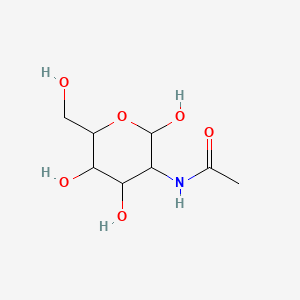
Identifiers
What does available trade activity indicate for Mycoprotein?
Mycoprotein is classified under HS Code 2102.20. This falls under Chapter 21: Miscellaneous edible preparations, specifically Heading 2102 (Yeasts (active or inactive); other single-cell micro-organisms, dead (but not including vaccines of heading no. 3002); prepared baking powders), under subheading: Yeasts; inactive, other single-cell micro-organisms, dead.
* The data below is specific to the HS code, not the ingredient.
Suppliers
495
Across 52 countries
Shipments
8,435
from 2015 to 2026
Total weight
338.6M kg
23,057 TEU · standard 20-foot container units
Last shipment
8 months ago
Last updated at Feb 25, 2026
Growth
↑ 44%
Trade under 2102.20 has increased by 44% over the past 6 months
What does trade activity suggest about the Mycoprotein supply chain?
Trade activity under HS 2102.20 indicates a large, active supply chain for dead single-cell microorganisms, with 495 suppliers, 8,435 shipments, and 338.6 million kg traded since 2015. The volume and recent shipment dates suggest ongoing, robust commercial flows. However, this classification primarily captures yeast products, so the data reflects the broader fermentation and single-cell protein market rather than confirmed mycoprotein-specific trade. For formulation or sourcing decisions, treat this as evidence of a capable fermentation supply base, not as proof of mycoprotein availability.
What does the HS or HTS classification include, and where are its limits for Mycoprotein?
HS 2102.20 covers inactive yeasts and other dead single-cell microorganisms, excluding vaccines. Mycoprotein, as a fungal protein, could fall under this heading, but the classification is broad and primarily associated with yeast products. The data does not distinguish mycoprotein from other single-cell microorganisms, so shipment counts and supplier lists are not ingredient-specific. This limits the ability to draw direct conclusions about mycoprotein volumes or market size. For regulatory or sourcing purposes, verify product-specific classifications with customs authorities before relying on this data.
Which suppliers are associated with Mycoprotein trade?
| Supplier | Shipments | Top customer | Growth | Last shipment | |
|---|---|---|---|---|---|
No suppliers found. | |||||
How concentrated or diversified does the supplier landscape appear for Mycoprotein?
The supplier landscape appears moderately concentrated, with a few large fermentation companies—Kerry, Angel Yeast, Lallemand, and Lesaffre—accounting for a significant share of shipments. These entities are known yeast and fermentation producers, not confirmed mycoprotein manufacturers. The presence of many smaller suppliers and traders (e.g., Hebei Eaglefly, JX Nippon) indicates a diversified but fragmented market under this HS code. For mycoprotein, the actual supplier base may be narrower, as the data does not confirm which entities produce mycoprotein specifically.
Which supply risks or dependencies around Mycoprotein require further diligence?
Key supply risks include the lack of ingredient-specific shipment data, making it impossible to confirm which suppliers actually produce mycoprotein versus yeast or other single-cell microorganisms. Many listed entities are traders or logistics providers, not manufacturers, increasing the risk of misidentifying supply sources. Additionally, the broad HS classification may include non-food-grade products, requiring verification of food safety certifications. Further diligence should focus on direct supplier audits, product specifications, and regulatory compliance for mycoprotein in target markets.
Which sourcing geographies and trade lanes appear most relevant to Mycoprotein?
Brazil and China dominate the trade lanes, together accounting for over 227 million kg (67% of total weight) and 4,094 shipments. Mexico, Belgium, and Canada also show notable activity, with Belgium serving as a European hub. The presence of major fermentation players in Belgium and Canada suggests established transatlantic lanes. However, because the HS code covers yeast broadly, these geographies likely reflect yeast and single-cell microorganism trade rather than mycoprotein-specific sourcing. For mycoprotein, further verification of supplier product lines is needed before relying on these lanes.
Which countries drive Mycoprotein trade activity?
By shipment count
Brazil
3,427 shipments
69 suppliers
123.1M kg total weight
Mexico
722 shipments
50 suppliers
18M kg total weight
Belgium
671 shipments
28 suppliers
30.2M kg total weight
China
667 shipments
93 suppliers
104.8M kg total weight
United Kingdom
489 shipments
18 suppliers
5.1M kg total weight
Japan
267 shipments
18 suppliers
1.5M kg total weight
Germany
263 shipments
26 suppliers
6.8M kg total weight
Italy
240 shipments
19 suppliers
4.5M kg total weight
France
219 shipments
18 suppliers
2.6M kg total weight
Estonia
165 shipments
7 suppliers
2.5M kg total weight