Mycoprotein Toxicity
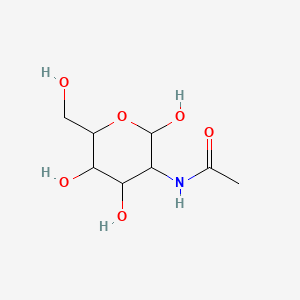
Identifiers
Where is Mycoprotein used, and what role does it play in each application?
Mycoprotein is used as the main structural component in food products, particularly meat alternatives, where it provides the primary matrix for texture and form. In the cited patent application, it is combined with a plant protein source, alginate, and water to create a pre-mix that is shaped, skin-cured with calcium, and further cured to form individual food pieces. This role is central to achieving a cohesive, meat-like structure. The ingredient's concentration can range from 5% to 97%, indicating flexibility in application density, from a minor component to the dominant structural element.
Which product or formulation problem does Mycoprotein address?
Mycoprotein addresses the formulation challenge of creating a stable, shaped food product with a defined skin and internal structure, which is critical for meat alternatives that need to hold their shape during processing and cooking. The patent method solves the problem of maintaining structural integrity during portioning by curing a skin layer before cutting, then further curing the individual pieces. This two-step calcium-alginate gelation approach prevents deformation and preserves the desired shape, enabling production of discrete, uniform pieces from a mycoprotein-based mix.
What supports the main commercial or clinical uses of Mycoprotein?
The main commercial use of mycoprotein as a structural food ingredient is supported by a patent application (EP4626249A1) that details a specific method for preparing mycoprotein-based food products. The patent claims a process involving mixing mycoprotein with plant protein, alginate, and water, followed by calcium curing to form a skin and then individual shapes. This demonstrates a claimed approach for using mycoprotein in food manufacturing, but it is not evidence of market adoption or regulatory approval. No clinical or commercial usage data was available in the provided evidence.
Which formulation trade-offs should researchers consider for Mycoprotein?
Researchers should consider the trade-off between mycoprotein concentration and the need for additional gelling agents. The patent specifies a broad range of 5% to 97% mycoprotein, implying that at lower concentrations, other ingredients like alginate and plant proteins play a larger role in structure, while at higher concentrations, mycoprotein itself dominates. The curing process requires calcium solutions and controlled temperatures (e.g., 3–10°C for the second cure), which adds processing complexity. Higher mycoprotein content may reduce the need for alginate but could affect skin formation and shape retention.
What are the physicochemical properties of Mycoprotein?
| Property | Value | Category |
|---|---|---|
| Solubility | >33.2 [ug/mL] (The mean of the results at pH 7.4) | Formulation Relevant Properties |
| XLogP3 | -1.7 | Computed Molecular Properties |
| Exact Mass | 221.0899372 | Computed Molecular Properties |
| Monoisotopic Mass | 221.0899372 | Computed Molecular Properties |
| Topological Polar Surface Area | 119.0 | Computed Molecular Properties |
| Complexity | 235.0 | Computed Molecular Properties |
| Hydrogen Bond Donor Count | 5 | Computed Molecular Properties |
| Hydrogen Bond Acceptor Count | 6 | Computed Molecular Properties |
| Rotatable Bond Count | 2 | Computed Molecular Properties |
| Heavy Atom Count | 15 | Computed Molecular Properties |
Which formulation benchmark best contextualizes Mycoprotein, and what differs?
A relevant formulation benchmark is a calcium-alginate gelled food system, as the patent method relies on alginate crosslinking with calcium to create a cured skin and internal structure. The difference is that mycoprotein serves as the primary structural component, whereas typical alginate gels are often used as thickeners or encapsulants. Here, the two-step curing process—first a skin, then the bulk—enables shape preservation during cutting, which is not standard in simple alginate gel applications. This benchmark helps contextualize the need for precise calcium concentration and temperature control.