“Reishi mushrooms have been used in Traditional Chinese Medicine for years and have so many amazing benefits that have been proven over...”
Reishi Extract Consumer Sentiment
CtrlK
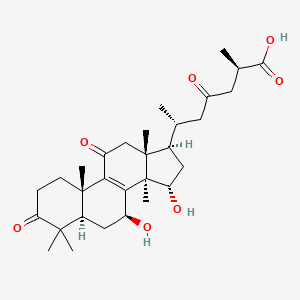
Identifiers
FormulaC30H44O7·CAS81907-62-2
Functions
SKIN Protecting
How do consumers feel about products containing Reishi extract?
Positive
Mixed
Negative
Consumers view Reishi Extract as a versatile wellness tool primarily for stress relief, sleep support, and immune health, with appreciation for its traditional roots and modern functional applications.
Which consumer needs, benefits, and objections are associated with Reishi Extract?
Consumers primarily seek Reishi Extract for stress relief, sleep support, and immune health, often framing it as an adaptogen that promotes calm focus and natural energy. A key stated need is extract over powder, with consumers believing extraction improves potency and absorption. Objections are moderate: some note that Reishi alone lacks significant anticancer effects, and others view powdered forms as inferior. These needs and objections are consistent across consumer and expert sources, indicating a well-established perception of Reishi as a functional wellness ingredient.
What do consumers discuss about Reishi extract?
Stress Relief and Sleep Support
Reishi is frequently cited by consumers and brands as a key ingredient for calming the nervous system, improving sleep quality, and managing daily stress.
instagram
Immune System Boosting
Many posts highlight Reishi's role in strengthening immunity, often linking it to traditional Chinese medicine practices or general wellness routines.
instagram
Skincare and Beauty Benefits
Consumers are interested in Reishi's topical application for skin hydration, barrier repair, and reducing hyperpigmentation.
instagram
Taste and Bitterness
While some appreciate the unique flavor profile, others note that Reishi can be bitter, though this is sometimes masked in chocolate or coffee formats.
instagram
tiktok
Dosage and Extraction Quality
Discussions reveal consumer confusion and concern regarding effective dosages and the necessity of dual extraction methods for bioavailability.
youtube
How are current products and patent claims responding to consumer concerns about Reishi Extract?
Current products respond to consumer concerns by incorporating Reishi Extract into familiar formats like mushroom coffee, functional beverages, gummies, and honey blends, often pairing it with L-theanine or ashwagandha to enhance stress-relief positioning. Brands emphasize dual extraction to address the extract-versus-powder objection, claiming full-spectrum access to water- and alcohol-soluble compounds. No patent claims were available in the evidence, so it is unclear how recent patent activity addresses these concerns. The market response appears focused on formulation and delivery rather than new therapeutic claims.
What concerns do consumers raise about Reishi extract?
Uncertainty about effective dosage and extraction methods (powder vs extract)
youtube
Bitter taste profile may be unappealing to some users
instagram
Where is the gap between consumer expectations and the current Reishi Extract offering?
The main gap is between consumer expectations of Reishi as a broad-spectrum health aid and the evidence-based reality that its benefits are more limited, particularly for cancer. While consumers often cite immune support and stress relief, expert sources note that Reishi only improves quality of life as an adjunct to conventional treatment, not as a standalone therapy. Additionally, consumers expect extracts to be superior, but the evidence does not provide comparative efficacy data. This gap suggests a need for clearer communication about realistic benefits and the value of extraction.
Which formulation approaches are being used to address those concerns around Reishi Extract?
Formulation approaches center on dual extraction to capture both water- and alcohol-soluble compounds, directly addressing consumer preference for extracts over powders. Products also blend Reishi with complementary ingredients like L-theanine, ashwagandha, and other functional mushrooms to support stress, sleep, and immune benefits. Taste-masking is addressed through pairing with honey, chai spices, or coffee to improve palatability. These approaches aim to enhance perceived efficacy and consumer acceptance, though no patent data was available to confirm novel formulation techniques.
What consumer-led opportunity or risk should researchers consider for Reishi Extract?
A clear opportunity lies in developing Reishi Extract products that emphasize stress and sleep support, as these are the most widely discussed consumer needs. Pairing Reishi with L-theanine or ashwagandha in convenient formats like gummies or coffee aligns with current consumer preferences. However, researchers should be cautious about overstating anticancer benefits, as this could create regulatory or reputational risk. Focusing on adaptogenic wellness positioning, rather than disease-related claims, appears to be the safer and more consumer-aligned path.