Rhamnogalacturonan I Toxicity
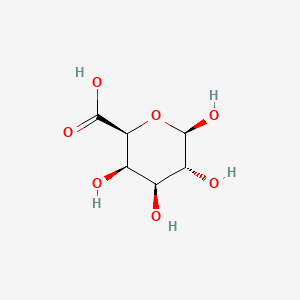
Identifiers
Functions
What are the material safety considerations for rhamnogalacturonan i?
Rhamnogalacturonan I presents a low acute toxicity profile, with a mouse subcutaneous LD50 of 6400 mg/kg, and is considered safe in current cosmetic practices of use and concentration per a Cosmetic Ingredient Review finding. No GHS hazard classifications, exposure limits, or handling warnings are available in the supplied evidence. This supports its use as a binding, emulsion-stabilising, and viscosity-controlling ingredient without immediate acute toxicity flags. However, the absence of GHS data means formulators should not assume full regulatory hazard communication compliance without additional verification.
How should hazard classifications and toxicology findings for rhamnogalacturonan i be interpreted together?
The absence of GHS classifications combined with a high LD50 value and a positive Cosmetic Ingredient Review safety finding indicates a low acute hazard profile for rhamnogalacturonan I. The LD50 of 6400 mg/kg in mice via subcutaneous administration suggests very low acute toxicity, while the CIR conclusion of safety in present practices reinforces this for cosmetic applications. Together, these data points support continued use without acute toxicity-driven restrictions. However, the lack of GHS classifications means no standardised hazard statements or pictograms are available, so safety data sheets cannot rely on these findings alone for full regulatory alignment.
Which exposure routes, dose contexts, or effects are material for rhamnogalacturonan i?
The only material exposure context in the supplied evidence is subcutaneous administration in mice, with an LD50 of 6400 mg/kg, indicating low acute toxicity via that route. No dermal, inhalation, oral, or ocular exposure data are provided, and no exposure limits or chronic effect information exist. For cosmetic use, the relevant exposure is topical, but no specific dermal toxicity or sensitisation data are supplied. The CIR safety finding covers present cosmetic practices, implying acceptable topical exposure at current concentrations, but quantitative concentration limits are not specified in the evidence.
Which handling and risk-management measures are relevant for rhamnogalacturonan i?
No specific handling recommendations, exposure limits, or risk-management measures are provided in the supplied evidence for rhamnogalacturonan I. Given the high LD50 and CIR safety finding, standard industrial hygiene practices for powder handling—such as minimising dust generation and using basic personal protective equipment—are prudent but not evidence-based here. The absence of GHS classifications means no mandated pictograms or signal words apply from this data. For cosmetic formulations, adherence to the CIR safety conclusion supports current use, but formulators should verify concentration-specific safety through their own risk assessments.
Which safety evidence gaps should be resolved before making decisions about rhamnogalacturonan i?
Key evidence gaps include the complete absence of GHS hazard classifications, exposure limits, and handling guidance. No dermal, inhalation, oral, or ocular toxicity data are available, and the only acute toxicity value is from subcutaneous mouse testing. Chronic toxicity, reproductive, developmental, and sensitisation data are also missing. The CIR safety finding is reassuring but lacks specific concentration limits in the supplied evidence. Before finalising regulatory submissions or safety data sheets, these gaps should be addressed through additional toxicological studies or by sourcing authoritative assessments that provide the missing hazard communication elements.