“Dextrin may or may not be gluten free depending on the starting material. If the dextrin is derived from wheat, it must be disclosed and...”
Starch Dextrin Consumer Sentiment
CtrlK
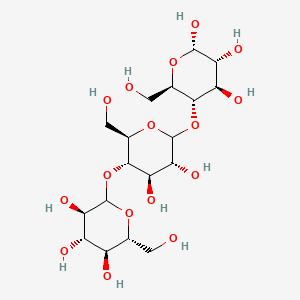
Identifiers
FormulaC18H32O16·CAS9004-53-9·EC232-675-4
Functions
Viscosity Controlling
How do consumers feel about products containing Starch dextrin?
Positive
Mixed
Negative
Consumers view starch dextrin as a useful functional ingredient for texture and energy, but express strong concern regarding its potential to contain hidden gluten and its high glycemic impact.
Which consumer needs, benefits, and objections are associated with starch dextrin?
Consumers associate starch dextrin with athletic fueling benefits, particularly cyclic dextrin as a simple carb for pre-workout energy and recovery, but they also raise serious concerns about gluten safety when derived from wheat and general skepticism about processed ingredients. The gluten concern is the most critical objection, with celiac-focused sources warning that dextrin's gluten-free status depends on the starting material. This creates a need for clear source disclosure and gluten-free certification. The processed-ingredient perception adds a moderate barrier, especially among health-conscious consumers, while the functional benefits in texture and fat replacement are less visible to end users.
What do consumers discuss about Starch dextrin?
Gluten Safety and Labeling
Consumers are highly vigilant about whether dextrin is derived from wheat or other grains, emphasizing the need for clear allergen disclosure on labels.
instagram
lemon8-app
facebook
Sports Performance and Energy
Athletes and fitness enthusiasts praise Cluster Dextrin and maltodextrin for providing rapid, sustained energy without gastrointestinal distress during exercise.
instagram
Blood Sugar and Glycemic Impact
Some consumers warn that dextrin and related starch derivatives can cause sharp blood sugar spikes due to their high glycemic index.
facebook
tiktok
How are current products and patent claims responding to consumer concerns about starch dextrin?
Current market responses are fragmented: some brands emphasize the quality and reliability of their white dextrin powder for industrial use, while influencers promote cyclic dextrin as a sports nutrition ingredient. However, there is no evidence of products directly addressing the gluten-safety objection through labeling or certification. Patent claims are absent in the available evidence, so no formulation innovations are documented. The market appears to be responding to performance and functional needs rather than the celiac and clean-label concerns, leaving a gap for brands that could differentiate by offering gluten-free, transparently sourced dextrin products.
What concerns do consumers raise about Starch dextrin?
Uncertainty about gluten content in wheat-derived dextrin
instagram
lemon8-app
facebook
Potential for adverse digestive reactions in sensitive individuals
facebook
Where is the gap between consumer expectations and the current starch dextrin offering?
The main gap is between consumer expectations for gluten safety and the current offering's lack of clear source disclosure. While some consumers believe highly processed dextrin is inherently gluten-free, celiac-focused sources warn that wheat-derived dextrin must be disclosed, creating confusion. Additionally, athletes value dextrin for quick energy, but the processed-ingredient perception may deter health-conscious users. Brands that provide transparent sourcing, gluten-free certification, and clean-label positioning could bridge this gap, but no current product evidence shows such efforts.
Which formulation approaches are being used to address those concerns around starch dextrin?
Formulation approaches in the evidence focus on leveraging dextrin's functional properties: using alpha-amylase to break down starch into dextrins and oligosaccharides, which reduces viscosity and improves texture in plant-based milks, and employing dextrin as a fat replacer. These approaches address texture and mouthfeel concerns but do not directly tackle gluten safety or processed-ingredient perceptions. For gluten-sensitive consumers, formulation would need to ensure the starting starch is gluten-free (e.g., corn, potato, rice) and clearly label the source. No patent claims are available to indicate novel formulation strategies.
What consumer-led opportunity or risk should researchers consider for starch dextrin?
A clear opportunity exists for gluten-free, source-transparent dextrin products targeting both athletes and celiac consumers. The athletic community already embraces cyclic dextrin, but the gluten concern is a serious barrier that could be turned into a competitive advantage with explicit labeling and certification. However, the risk is that the processed-ingredient perception may limit broader adoption, especially among clean-label consumers. Researchers should explore formulation with non-wheat starches and communicate the functional benefits (e.g., texture, fat replacement) to overcome skepticism.