Starch Dextrin Toxicity
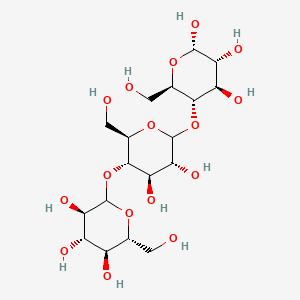
Identifiers
Functions
What are the material safety considerations for starch dextrin?
Starch dextrin is considered safe in its present practices of use and concentration, based on a Cosmetic Ingredient Review finding in rats. No GHS hazard classifications, exposure limits, or handling precautions are available in the supplied evidence. This supports its use in cosmetic formulations as an absorbent, binding, bulking, and viscosity-controlling agent. However, the absence of standardized hazard data means formulators should rely on general dust-control and hygiene practices until more specific toxicological information is available.
How should hazard classifications and toxicology findings for starch dextrin be interpreted together?
The available safety evidence for starch dextrin consists of a single Cosmetic Ingredient Review finding of safety in current practices, with no GHS classifications or quantitative toxicology data to corroborate or refine that conclusion. This means the safety assessment rests on a qualitative review rather than a full hazard profile. For regulatory or formulation decisions, this finding supports use as currently practiced, but it does not rule out potential hazards under different exposure conditions. The absence of hazard classifications should not be interpreted as evidence of no hazard, but rather as a gap in standardized data.
Which exposure routes, dose contexts, or effects are material for starch dextrin?
The supplied evidence does not specify exposure routes, dose contexts, or specific toxicological effects for starch dextrin. The only relevant finding is a safety determination in rats, which implies systemic exposure was considered but does not detail route or dose. In cosmetic use, starch dextrin functions as an absorbent, binding, bulking, and viscosity-controlling agent, suggesting potential routes include dermal contact and incidental inhalation of powders. Without exposure limits or route-specific data, formulators should assume typical powder-handling risks and monitor for any signs of respiratory irritation.
Which handling and risk-management measures are relevant for starch dextrin?
No specific handling or risk-management measures are provided for starch dextrin in the supplied evidence. Given its function as a powder-form cosmetic ingredient, standard precautions for dust-generating materials are prudent, such as minimizing airborne dust and using local exhaust ventilation. The absence of exposure limits means no quantitative control targets can be set. The safety finding supports current use, but formulators should still implement general industrial hygiene practices and follow any applicable workplace safety guidelines for organic dusts.
Which safety evidence gaps should be resolved before making decisions about starch dextrin?
Before making further decisions about starch dextrin, the key evidence gaps are the lack of GHS hazard classifications, exposure limits, and route-specific toxicology data. The existing safety finding is qualitative and does not provide dose-response information. Additionally, no handling precautions are documented, which limits the ability to define operational controls. Resolving these gaps would require obtaining standardized hazard classifications and quantitative exposure data, which are not currently available in the supplied evidence. Until then, decisions should rely on the existing safety determination and general powder-handling practices.