“IKEA's frozen meals... are made with textured pea protein, making them a meat alternative with a satisfying texture and flavor.”
Textured Pea Protein Consumer Sentiment
CtrlK
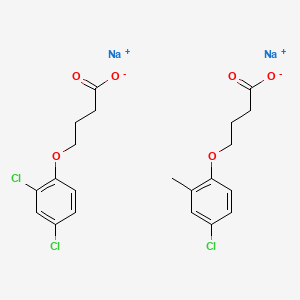
Identifiers
FormulaC21H21Cl3Na2O6·CAS8065-16-5
Functions
SKIN Conditioning
How do consumers feel about products containing Textured pea protein?
Positive
Mixed
Negative
Consumers view textured pea protein as a versatile, high-protein meat alternative that offers convenience and dietary benefits, though some note texture or preparation requirements.
Which consumer needs, benefits, and objections are associated with pea textured protein?
Consumers associate textured pea protein with meat-like texture in vegan meats and snacks, clean-label benefits, and freedom from common allergens like soy and dairy. These benefits support plant-based diets and clean eating lifestyles. A moderate objection is a grainy or gritty texture compared to whey protein, which can affect product satisfaction. The positive sentiment is consistent across consumer and brand posts, but the evidence base is small and geographically limited, so the objection's prevalence and severity are not fully quantified.
What do consumers discuss about Textured pea protein?
Meat Alternative Versatility
Textured pea protein is widely praised for its ability to mimic ground meat in various dishes like tacos, pasta, and burgers.
lemon8-app
tiktok
youtube
Nutritional Value
Users highlight the high protein content and complete amino acid profile when combined with other proteins like rice.
tiktok
youtube
Preparation Method
Consumers discuss the necessity of rehydrating the protein, with some finding it easy and others noting specific techniques for best results.
tiktok
How are current products and patent claims responding to consumer concerns about pea textured protein?
Current products and brand communications emphasize textured pea protein's role in creating satisfying meat analogs and its allergen-free, clean-label positioning. Brands highlight these attributes to align with consumer demand for plant-based, sustainable options. However, no patent claims were found in the available evidence, so there is no documented patent activity responding to consumer concerns. The market response is therefore primarily at the product communication level, not the innovation level, based on current data.
What concerns do consumers raise about Textured pea protein?
Requires rehydration and preparation time compared to ready-to-eat meats
tiktok
Where is the gap between consumer expectations and the current pea textured protein offering?
The main gap is between consumer appreciation for textured pea protein's meat-like texture and the reported objection of graininess compared to whey. While consumers value the clean-label and allergen-free benefits, the texture expectation in certain applications, like protein powders for homemade pudding, may not be met. This suggests that while textured pea protein satisfies meat analog needs, it may fall short in applications where a smooth, creamy texture is expected. The evidence is limited, so the breadth of this gap across product categories is unclear.
Which formulation approaches are being used to address those concerns around pea textured protein?
Formulation approaches are not documented in the available evidence. Consumer discussions indicate that textured pea protein is used in meat analogs and protein snacks, but specific formulation techniques to address texture objections, such as graininess, are not described. Without patent or product formulation data, it is not possible to identify how manufacturers are technically responding to consumer concerns. This is a significant evidence gap for researchers seeking to understand current formulation strategies.
What consumer-led opportunity or risk should researchers consider for pea textured protein?
A consumer-led opportunity exists in leveraging textured pea protein's clean-label and allergen-free appeal to target consumers seeking plant-based meat alternatives and clean eating products. The positive sentiment around these attributes suggests a receptive market. However, the risk is that texture objections, particularly graininess, could limit adoption in non-meat applications like protein shakes or puddings. Researchers should prioritize texture improvement to broaden application potential, but the current evidence does not indicate how consumers prioritize texture versus clean-label benefits.