Beta Glucan Toxicity
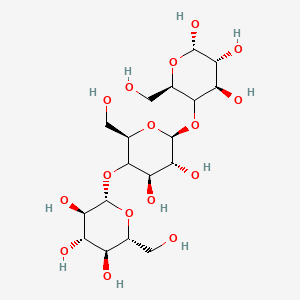
Identifiers
Functions
What are the material safety considerations for Beta-glucan?
Beta-glucan is considered safe in present practices of use and concentration, based on a Cosmetic Ingredient Review finding in rats. No GHS hazard classifications, exposure limits, or handling data are available in the supplied evidence. This supports its use in cosmetic formulations as a bulking and skin-conditioning agent, but the absence of standardized hazard data means formulators should rely on general powder-handling precautions until more specific toxicological information is available.
How should hazard classifications and toxicology findings for Beta-glucan be interpreted together?
The available toxicology finding—safe in present practices—should be interpreted as a positive safety signal for current use levels, but it is not a substitute for a full hazard classification. The absence of GHS classifications means no standardized hazard statements or pictograms can be applied. For regulatory submissions, this safety finding can support ingredient justification, but formulators should verify that use concentrations align with the reviewed practices and monitor for any new hazard data that could alter the risk profile.
Which exposure routes, dose contexts, or effects are material for Beta-glucan?
The primary exposure route for Beta-glucan in cosmetics is dermal, given its function as a skin-conditioning agent. The safety finding in rats suggests low systemic toxicity under current use conditions, but no specific dose-response or route-specific data were provided. For occupational handling, inhalation of powder forms could be a concern, though no exposure limits are available. Formulators should consider particle size and dust generation when designing manufacturing processes to minimize inhalation risk.
Which handling and risk-management measures are relevant for Beta-glucan?
Given the lack of specific handling data, standard precautions for cosmetic powders are recommended: use local exhaust ventilation to control dust, wear appropriate personal protective equipment (e.g., gloves and dust masks) during handling, and avoid generating airborne particles. The safety finding supports current use, but without exposure limits, these general controls are prudent. For consumer use, no special measures are indicated beyond normal cosmetic product safety assessments.
Which safety evidence gaps should be resolved before making decisions about Beta-glucan?
Before finalizing safety decisions, the following gaps should be addressed: (1) obtain GHS hazard classifications to enable standardized labeling and risk communication; (2) identify specific use concentrations and exposure conditions from the Cosmetic Ingredient Review to confirm alignment with the safety finding; (3) generate or source occupational exposure limits and handling recommendations for powder forms; and (4) clarify the relevance of the multiple CAS numbers listed (1439905-58-4, 53238-80-5, 55965-23-6) to ensure the safety data apply to the specific grade used.