Biomimetic Peptides Toxicity
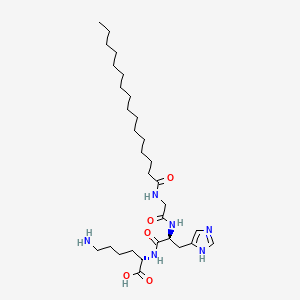
Identifiers
Functions
What are the material safety considerations for Biomimetic Peptides?
The material safety consideration for Biomimetic Peptides is that a Cosmetic Ingredient Review (CIR) finding indicates the ingredient is safe in present practices of use and concentration, based on rat toxicity data. No GHS classifications, exposure limits, or handling statements are available in the supplied evidence. This supports its use in cosmetic formulations under current conditions, but the absence of standardized hazard classifications means formulators should rely on the CIR conclusion while ensuring use concentrations align with documented practices.
How should hazard classifications and toxicology findings for Biomimetic Peptides be interpreted together?
The CIR finding of safety in present practices should be interpreted as the primary toxicology conclusion, while the absence of GHS classifications means no standardized hazard statements are available to contradict or refine that conclusion. Together, the evidence suggests a low acute hazard profile under intended cosmetic use, but the lack of GHS data limits direct comparison to other ingredients with established hazard classifications. Formulators should treat the CIR safety finding as the operative safety basis, while recognizing that regulatory hazard communication may require additional data.
Which exposure routes, dose contexts, or effects are material for Biomimetic Peptides?
The material exposure context is dermal application in cosmetic products, as implied by the CIR safety finding for present practices of use and concentration. The rat toxicity test provides systemic safety evidence, but no specific dose, route, or effect levels are supplied. This means the exposure profile is defined by the intended cosmetic use pattern rather than quantitative exposure limits. The absence of exposure limits or occupational exposure data indicates that consumer dermal exposure is the primary consideration, with no evidence of inhalation or ingestion risks.
Which handling and risk-management measures are relevant for Biomimetic Peptides?
Relevant risk-management measures for Biomimetic Peptides should follow general cosmetic ingredient handling practices, given the CIR safety finding and the absence of specific handling statements. Since no GHS hazards or exposure limits are available, standard industrial hygiene controls—such as minimizing skin contact and using appropriate personal protective equipment during manufacturing—are prudent. Formulators should ensure use concentrations remain within the scope of the CIR safety assessment. The lack of specific handling guidance means these general measures are the only evidence-based controls available.
Which safety evidence gaps should be resolved before making decisions about Biomimetic Peptides?
Before making final safety decisions, the key evidence gap is the absence of GHS hazard classifications, exposure limits, and handling data. While the CIR finding supports safety in current cosmetic use, this conclusion is based on a single rat toxicity test without dose or route details. Additional data on dermal irritation, sensitization, and systemic toxicity at relevant exposure levels would strengthen the safety profile. Without these, the safety assessment relies on the CIR conclusion alone, which may not cover all formulation scenarios or occupational exposure contexts.