Biomimetic Peptides Suppliers & Manufacturers
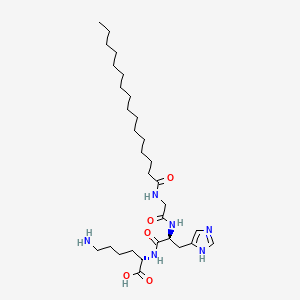
Identifiers
Functions
What does available trade activity indicate for Biomimetic peptides?
Biomimetic peptides is classified under HS Code 2937.19. This falls under Chapter 29: Organic chemicals, specifically Heading 2937 (Hormones, prostaglandins, thromboxanes and leukotrienes, natural or reproduced by synthesis; derivatives and structural analogues thereof, including chain modified polypeptides, used primarily as hormones.), under subheading: Polypeptide hormones, protein hormones and glycoprotein hormones, their derivatives and structural analogues; other than somatotropin, (its derivatives and structural anaologues) and insulin and its salts.
* The data below is specific to the HS code, not the ingredient.
Suppliers
11
Across 6 countries
Shipments
72
from 2016 to 2026
Total weight
110K kg
105 TEU · standard 20-foot container units
Last shipment
8 months ago
Last updated at Feb 25, 2026
Growth
↑ 23%
Trade under 2937.19 has increased by 23% over the past 6 months
What does trade activity suggest about the Biomimetic Peptides supply chain?
Trade activity under HS code 2937.19 shows 72 shipments from 11 suppliers across six countries, totaling roughly 110 metric tons, with a moderate growth score of 25.3 over the recent 180-day window. Denmark dominates by shipment count (45), while Vietnam and Mexico lead by weight. This suggests an active but fragmented supply chain where high-volume pharmaceutical players coexist with specialty peptide producers. The business implication is that sourcing biomimetic peptides likely requires engaging multiple supplier types, and the weight distribution indicates both bulk and specialty material flows. However, this activity is HS-code-associated, not confirmed ingredient-specific, so volumes may include other polypeptide hormone derivatives.
What does the HS or HTS classification include, and where are its limits for Biomimetic Peptides?
HS code 2937.19 covers polypeptide hormones, protein hormones, and glycoprotein hormones, their derivatives and structural analogues, excluding somatotropin and insulin. This classification is broad, encompassing natural or synthetically reproduced hormones and chain-modified polypeptides used primarily as hormones. For biomimetic peptides, the scope is indirect: the code captures peptide-based hormone analogues but not all peptide categories, such as cosmetic or non-hormonal bioactive peptides. The limit is material—supplier activity under this code may reflect hormone products rather than biomimetic peptides for personal care or research use. Formulators should verify product-specific classifications rather than rely on this code for regulatory or customs planning.
Which suppliers are associated with Biomimetic peptides trade?
| Supplier | Shipments | Top customer | Growth | Last shipment | |
|---|---|---|---|---|---|
No suppliers found. | |||||
How concentrated or diversified does the supplier landscape appear for Biomimetic Peptides?
The supplier landscape appears concentrated at the top but diversified at the base. One Danish supplier accounts for 45 of 72 shipments, representing over 60% of shipment frequency, while four Chinese suppliers collectively contribute 18 shipments. The remaining six suppliers across Mexico, Vietnam, India, and Spain each show four or fewer shipments. This structure suggests a primary anchor supplier with multiple secondary options, creating moderate supply-chain resilience. For procurement, this means negotiating with the dominant supplier is critical for volume stability, but alternative sources exist in China and other regions, reducing single-source dependency risk.
Which supply risks or dependencies around Biomimetic Peptides require further diligence?
Key supply risks include over-reliance on a single Danish supplier for shipment frequency, potential misclassification of hormone products as biomimetic peptides, and unverified manufacturing status for Chinese and Vietnamese suppliers. The dominant supplier's 45 shipments may represent broader pharmaceutical product lines, not biomimetic peptides specifically, creating volume-availability uncertainty. Additionally, weight data shows zero recorded for selected suppliers, indicating incomplete shipment records that obscure true material flows. Further diligence should confirm each supplier's actual peptide product portfolio, verify ingredient-specific certifications, and assess whether the Danish supplier's capacity is dedicated to biomimetic peptides or shared across other hormone products.
Which sourcing geographies and trade lanes appear most relevant to Biomimetic Peptides?
Denmark is the most active sourcing geography with 45 shipments from a single supplier, indicating a dominant trade lane likely tied to pharmaceutical-grade peptide production. China follows with four suppliers and 18 shipments, suggesting a more diversified sourcing base, while Mexico, Vietnam, India, and Spain contribute smaller volumes. Vietnam's 31 metric tons from two shipments and Mexico's 18 metric tons from four shipments indicate bulk material flows, possibly for industrial or intermediate applications. The practical implication is that European and Asian lanes are both relevant, with Denmark for high-frequency pharma supply and China for supplier diversity.
Which countries drive Biomimetic peptides trade activity?
By shipment count
Denmark
45 shipments
1 suppliers
36.3K kg total weight
China
18 shipments
4 suppliers
7.2K kg total weight
Mexico
4 shipments
3 suppliers
18K kg total weight
India
2 shipments
1 suppliers
11.3K kg total weight
Vietnam
2 shipments
1 suppliers
31.4K kg total weight
Spain
1 shipments
1 suppliers
5.8K kg total weight