“The primary ingredient in K18 Hair Oil is a biomimetic peptide that penetrates the hair shaft to repair damage from within.”
Biomimetic Peptides Consumer Sentiment
CtrlK
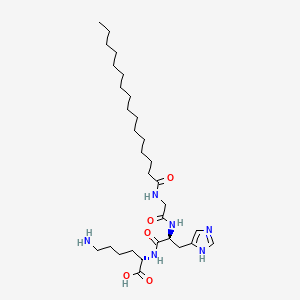
Identifiers
FormulaC30H54N6O5·CAS147732-56-7·EC680-607-0
Functions
SKIN Conditioning
How do consumers feel about products containing Biomimetic peptides?
Positive
Mixed
Negative
Consumers and professionals view biomimetic peptides as highly effective, science-backed ingredients that deliver visible improvements in skin firmness, hair repair, and scalp health.
Which consumer needs, benefits, and objections are associated with Biomimetic Peptides?
Consumers associate biomimetic peptides with molecular-level repair, specifically reconnecting broken keratin chains in hair and boosting collagen for firmer, more elastic skin. They are valued as a gentle anti-aging alternative to retinol, appealing to sensitive skin users. The main objection is product compatibility issues that can cause breakage, though details are sparse. This suggests a need for clear usage guidance and formulation compatibility testing to prevent negative experiences.
What do consumers discuss about Biomimetic peptides?
Hair Repair and Strength
Biomimetic peptides are praised for their ability to penetrate the hair shaft and reconnect broken keratin chains, offering deep repair for damaged or bleached hair.
lemon8-app
tiktok
Anti-Aging and Skin Firmness
Users report that biomimetic peptides boost collagen production, reduce wrinkles, and improve skin elasticity and tone.
facebook
lemon8-app
Scalp Health and Hair Density
Peptides are highlighted for stimulating hair follicles and improving scalp conditions to support thicker, healthier hair growth.
instagram
facebook
Scientific Mechanism of Action
Consumers appreciate the explanation that biomimetic peptides mimic natural biological processes to work at a molecular level rather than just coating the surface.
instagram
lemon8-app
youtube
How are current products and patent claims responding to consumer concerns about Biomimetic Peptides?
Current products respond by highlighting biomimetic peptides as scientifically backed, targeted repair agents. Brands like Cetaphil emphasize purified peptides as gentle yet effective anti-aging solutions, while K18 uses patented biomimetic peptides for hair damage reversal. These claims align with consumer desires for efficacy without irritation. However, no patent data is available, so the patent landscape cannot be assessed. The market response is primarily educational, explaining how peptides mimic natural processes to justify premium positioning.
Where is the gap between consumer expectations and the current Biomimetic Peptides offering?
The gap lies between consumer expectations of dramatic molecular repair and the limited evidence of real-world outcomes. Consumers expect biomimetic peptides to reconnect broken keratin or boost collagen, but no clinical or comparative data is provided. Additionally, the objection about product compatibility causing breakage suggests that not all formulations deliver the promised benefits. This creates a trust risk if products fail to meet high expectations, especially given the premium positioning.
Which formulation approaches are being used to address those concerns around Biomimetic Peptides?
Formulation approaches focus on purification and specific peptide selection to enhance efficacy and gentleness. Cetaphil uses purified peptides to differentiate from traditional peptides, aiming for effective yet non-irritating anti-aging benefits. K18 employs patented biomimetic peptides designed to reconnect broken keratin chains, indicating a targeted molecular mechanism. These approaches respond to consumer demands for visible repair and reduced side effects, but without formulation details, the exact delivery systems or concentrations remain unclear.
What consumer-led opportunity or risk should researchers consider for Biomimetic Peptides?
A consumer-led opportunity exists in developing biomimetic peptide products that explicitly address compatibility issues, as breakage is a noted concern. Brands could differentiate by offering clear usage instructions or formulations tested for compatibility with other hair or skin products. This would directly respond to the objection and build trust. However, the risk is overpromising molecular repair without substantiation, which could lead to consumer disappointment and reputational damage.