H301
Critical
Toxic if swallowed
Acute Toxicity · Critical · Reported by 14.4%
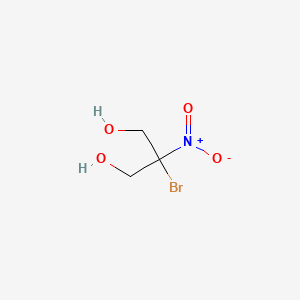
Identifiers
Hazards


GHS statements, classifications and precautions
H301
Critical
Toxic if swallowed
Acute Toxicity · Critical · Reported by 14.4%
H331
Critical
Toxic if inhaled
Acute Toxicity · Critical · Reported by 10%
H370
Critical
Causes damage to organs
Organ Toxicity · Critical
H330
Critical
Fatal if inhaled
Acute Toxicity · Critical
H310
Critical
Fatal in contact with skin
Acute Toxicity · Critical
H373
High
May causes damage to organs through prolonged or repeated exposure
Organ Toxicity · High
Acute toxicity
Category 3
14.4% · 10%
Acute toxicity
Category 4
85.5% · 99.6%
Skin Irrit. 2
—
> 99.9%
Serious eye damage
Category 1
> 99.9%
STOT SE 3
—
99.9%
Aquatic Acute 1
—
> 99.9%
Aquatic Chronic 1
—
15.4%
Aquatic Chronic 2
—
12.4%
Acute toxicity
Category 2
—
Skin irritation
Category 2
—
Specific target organ toxicity (single exposure)
Category 3
—
Hazardous to the aquatic environment (acute)
Category 1
—
Flammable solids
Category 2
—
Self-reactive substances and mixtures - Type G
—
—
Acute toxicity (Oral)
Category 4
—
Acute toxicity (Inhalation: Dusts and mists)
Category 2
—
Skin corrosion/irritation
Category 2
—
Specific target organ toxicity - Single exposure
Category 3 (Respiratory tract irritation)
—
Specific target organ toxicity - Repeated exposure
Category 2 (respiratory system)
—
Hazardous to the aquatic environment (Acute)
Category 2
—
Hazardous to the aquatic environment (Long-term)
Category 2
—
Acute toxicity (Oral)
Category 3
—
Acute toxicity (Dermal)
Category 4
—
Acute toxicity (Inhalation: Dusts and mists)
Category 3
—
Skin corrosion/irritation
Category 1A
—
Specific target organ toxicity - Single exposure
Category 1 (respiratory organs)
—
Acute Tox. 4 *
—
—
This chemical does not meet GHS hazard criteria for < 0.1% (1 of 2149) of reports
Aggregated GHS information provided per 2149 reports by companies from 64 notifications to the C&L Inventory. Each notification may be associated with multiple companies
Reported as not meeting GHS hazard criteria per 1 of 2149 reports by companies
There are 63 notifications provided by 2148 of 2149 reports by companies with hazard statement code(s)
Excerpt from ERG Guide 133 [Flammable Solids]:
Fire may produce irritating and/or toxic gases. Contact may cause burns to skin and eyes. Contact with molten substance may cause severe burns to skin and eyes. Runoff from fire control or dilution water may cause environmental contamination. (ERG, 2024)
· Fire may produce irritating and/or toxic gases
· Contact may cause burns to skin and eyes
The evidence at hand indicates 2-Bromo-2-Nitropropane-1,3-Diol to be safe as a cosmetic ingredient at concentrations up to and including 0.1 percent except under circumstances where its action with amines or amides can result in the formation of nitrosamines or nitrosamides
Safe for use in cosmetics, with qualifications
While Bronopol is not in itself a nitrosating agent, under conditions where it decomposes (alkaline solution and/or elevated temperatures) it can liberate nitrite and low levels of formaldehyde. These decomposition products can react with any secondary amines or amides (which may contaminate cosmetic products) to produce significant levels of nitrosamines, which are believed to be carcinogenic. Once in the body, nitrosamines are activated by cytochrome P-450 enzymes. They are then believed to induce their carcinogenic effects by forming DNA adducts at the N- and O-atoms. Formaldehyde itself is also carcinogenic. It is likely that formaldehyde toxicity occurs when intracellular levels saturate formaldehyde dehydrogenase activity, allowing the unmetabolized intact molecule to exert its effects. Formaldehyde is known to form cross links between protein and DNA and undergo metabolic incorporation into macromolecules (DNA, RNA, and proteins). (L962, L643, L1889, A2878, A2879, A2880, A2881, L1893)
The substance can be absorbed into the body by inhalation of its aerosol, through the skin and by ingestion
Oral (A2881) ; inhalation (A2881) ; dermal (A2881)
Bronopol may react to produce nitrosamines, which are believed to be carcinogenic. It also releases formaldehyde, a known human carcinogen. (L962, A2881)
Cough. Sore throat
Redness
Redness. Stinging sensation. Pain. Burns
Sore throat. Tingling sensation
Skin Sensitizer - An agent that can induce an allergic reaction in the skin
Reported endpoints by species, route and conditions
| Endpoint | Species | Route | Reported value |
|---|---|---|---|
| LD50 | Rat | Oral | 250 mg/kg (Oral |
| LD50 | Rat | Oral | 64-160 mg/kg (Dermal |
| LD50 | Mouse | Oral | Mouse oral 350 mg/kg |
| LD50 | Rat | Oral | Rat (female) oral 342 mg/kg |
| LD50 | Rat | Oral | Rat (male) oral 307 mg/kg |
| LD50 | Rat | Dermal | Rat (male) dermal 64-160 mg/kg |
| LC50 | Rat | Oral | >5 mg/L over 6 hours (Inhalation |
| Toxicity | Mouse | Oral | 350 mg/kg |
| Toxicity | Rat | Oral | 342 mg/kg |
| Toxicity | Rat | Oral | 307 mg/kg |
| Toxicity | Rat | Dermal | 160 mg/kg |
| Toxicity | Rat | Dermal | 0.089 mg/L |
| Toxicity Data | LD50: 250 mg/kg (Oral, Dog) (A547) LD50: 64-160 mg/kg (Dermal, Rat) (A546) LC50: >5 mg/L over 6 hours (Inhalation, Rat) (A547) | ||
| Non-Human Toxicity Values | LD50 Mouse oral 350 mg/kg | ||
| Non-Human Toxicity Values | LD50 Rat (female) oral 342 mg/kg | ||
| Non-Human Toxicity Values | LD50 Rat (male) oral 307 mg/kg | ||
| Non-Human Toxicity Values | LD50 Rat (male) dermal 64-160 mg/kg |
Human, animal and classification evidence
No indication of carcinogenicity (not listed by IARC). (L135)
Cancer Classification: Group E Evidence of Non-carcinogenicity for Humans
Operational controls and handling requirements
Evaporation at 20 °C is negligible; a harmful concentration of airborne particles can, however, be reached quickly when dispersed
The substance is corrosive to the eyes. The substance is irritating to the skin and respiratory tract
Repeated or prolonged contact may cause skin sensitization
Residues of 2-ethyl-1-hexanol are exempted from the requirement of a tolerance when used in accordance with good agricultural practice as inert (or occasionally active) ingredients in pesticide formulations applied to growing crops or to raw agricultural commodities after harvest. Use: In-can preservative. Limit: 0.04% or less by weight of the total pesticide formulation
Residues of 2-ethyl-1-hexanol are exempted from the requirement of a tolerance when used in accordance with good agricultural practice as inert (or occasionally active) ingredients in pesticide formulations applied to animals. Use: In-can preservative. Limit: 0.04% or less by weight of the total pesticide formulation
Excerpt from ERG Guide 133 [Flammable Solids]:
Wear positive pressure self-contained breathing apparatus (SCBA). Structural firefighters' protective clothing provides thermal protection but only limited chemical protection. (ERG, 2024)
Eye/face protection: Face shield and safety glasses Use equipment for eye protection tested and approved under appropriate government standards such as (US) or EN 166(EU)
Skin protection: Handle with gloves
Body protection: Complete suit protecting against chemicals, The type of protective equipment must be selected according to the concentration and amount of the dangerous substance at the specific workplace
Respiratory protection: Where risk assessment shows air-purifying respirators are appropriate use a full-face particle respirator type N100 (US) or type P3 (EN 143) respirator cartridges as a backup to engineering controls. If the respirator is the sole means of protection, use a full-face supplied air respirator. Use respirators and components tested and approved under appropriate government standards such as (US) or CEN (EU)
NO open flames. Prevent deposition of dust
PREVENT DISPERSION OF DUST!
Use local exhaust or breathing protection
Protective gloves
Wear safety goggles or eye protection in combination with breathing protection
Do not eat, drink, or smoke during work. Wash hands before eating
Excerpt from ERG Guide 133 [Flammable Solids]:
ELIMINATE all ignition sources (no smoking, flares, sparks or flames) from immediate area. Do not touch or walk through spilled material
SMALL DRY SPILL: With clean shovel, place material into clean, dry container and cover loosely; move containers from spill area
LARGE SPILL: Wet down with water and dike for later disposal. Prevent entry into waterways, sewers, basements or confined areas. (ERG, 2024)
Fireproof. Separated from food and feedstuffs and incompatible materials. See Chemical Dangers. Dry. Well closed. Keep in a well-ventilated room. Store in an area without drain or sewer access. Provision to contain effluent from fire extinguishing
Keep container tightly closed in a dry well-ventilated place
Separated from food and feedstuffs and incompatible materials. Dry. Well closed. Keep in a well-ventilated room
Immediate response and first-aid evidence
Fresh air, rest
Remove contaminated clothes. Rinse skin with plenty of water or shower
First rinse with plenty of water for several minutes (remove contact lenses if easily possible), then refer for medical attention
Rinse mouth. Refer for medical attention
EYES: First check the victim for contact lenses and remove if present. Flush victim's eyes with water or normal saline solution for 20 to 30 minutes while simultaneously calling a hospital or poison control center. Do not put any ointments, oils, or medication in the victim's eyes without specific instructions from a physician. IMMEDIATELY transport the victim after flushing eyes to a hospital even if no symptoms (such as redness or irritation) develop
SKIN: IMMEDIATELY flood affected skin with water while removing and isolating all contaminated clothing. Gently wash all affected skin areas thoroughly with soap and water. If symptoms such as redness or irritation develop, IMMEDIATELY call a physician and be prepared to transport the victim to a hospital for treatment
INHALATION: IMMEDIATELY leave the contaminated area; take deep breaths of fresh air. If symptoms (such as wheezing, coughing, shortness of breath, or burning in the mouth, throat, or chest) develop, call a physician and be prepared to transport the victim to a hospital. Provide proper respiratory protection to rescuers entering an unknown atmosphere. Whenever possible, Self-Contained Breathing Apparatus (SCBA) should be used; if not available, use a level of protection greater than or equal to that advised under Protective Clothing
INGESTION: DO NOT INDUCE VOMITING. If the victim is conscious and not convulsing, give 1 or 2 glasses of water to dilute the chemical and IMMEDIATELY call a hospital or poison control center. Be prepared to transport the victim to a hospital if advised by a physician. If the victim is convulsing or unconscious, do not give anything by mouth, ensure that the victim's airway is open and lay the victim on his/her side with the head lower than the body. DO NOT INDUCE VOMITING. IMMEDIATELY transport the victim to a hospital
General First Aid:
· Call 911 or emergency medical service
· Ensure that medical personnel are aware of the material(s) involved, take precautions to protect themselves and avoid contamination
· Move victim to fresh air if it can be done safely
· Administer oxygen if breathing is difficult
· If victim is not breathing:
-- DO NOT perform mouth-to-mouth resuscitation; the victim may have ingested or inhaled the substance
-- If equipped and pulse detected, wash face and mouth, then give artificial respiration using a proper respiratory medical device (bag-valve mask, pocket mask equipped with a one-way valve or other device)
-- If no pulse detected or no respiratory medical device available, provide continuous compressions. Conduct a pulse check every two minutes or monitor for any signs of spontaneous respirations
· Remove and isolate contaminated clothing and shoes
· For minor skin contact, avoid spreading material on unaffected skin
· In case of contact with substance, remove immediately by flushing skin or eyes with running water for at least 20 minutes
· For severe burns, immediate medical attention is required
· Effects of exposure (inhalation, ingestion, or skin contact) to substance may be delayed
· Keep victim calm and warm
· Keep victim under observation
· For further assistance, contact your local Poison Control Center
· Note: Basic Life Support (BLS) and Advanced Life Support (ALS) should be done by trained professionals
Specific First Aid:
· Removal of solidified molten material from skin requires medical assistance
In Canada, an Emergency Response Assistance Plan (ERAP) may be required for this product. Please consult the shipping paper and/or the "ERAP" section
Excerpt from ERG Guide 133 [Flammable Solids]:
SMALL FIRE: Dry chemical, CO2, sand, earth, water spray or regular foam
LARGE FIRE: Water spray, fog or regular foam. If it can be done safely, move undamaged containers away from the area around the fire
FIRE INVOLVING METAL PIGMENTS OR PASTES (E.G. "ALUMINUM PASTE"): Aluminum Paste fires should be treated as a combustible metal fire. Use DRY sand, graphite powder, dry sodium chloride-based extinguishers or class D extinguishers. Also, see ERG Guide 170
FIRE INVOLVING TANKS, RAIL TANK CARS OR HIGHWAY TANKS: Cool containers with flooding quantities of water until well after fire is out. For massive fire, use unmanned master stream devices or monitor nozzles; if this is impossible, withdraw from area and let fire burn. Withdraw immediately in case of rising sound from venting safety devices or discoloration of tank. ALWAYS stay away from tanks in direct contact with flames. (ERG, 2024)
Use water spray, powder, alcohol-resistant foam, carbon dioxide
Wear self contained breathing apparatus for fire fighting if necessary
Use water spray to cool unopened containers
Suitable extinguishing media: Use water spray, alcohol-resistant foam, dry chemical or carbon dioxide
Powder, alcohol-resistant foam, water spray, carbon dioxide
Excerpt from ERG Guide 133 [Flammable Solids]:
IMMEDIATE PRECAUTIONARY MEASURE: Isolate spill or leak area for at least 25 meters (75 feet) in all directions
LARGE SPILL: Consider initial downwind evacuation for at least 100 meters (330 feet)
FIRE: If tank, rail tank car or highway tank is involved in a fire, ISOLATE for 800 meters (1/2 mile) in all directions; also, consider initial evacuation for 800 meters (1/2 mile) in all directions. (ERG, 2024)
Immediate precautionary measure
· Isolate spill or leak area for at least 25 meters (75 feet) in all directions
Large Spill
· Consider initial downwind evacuation for at least 100 meters (330 feet)
Fire
· If tank, rail tank car or highway tank is involved in a fire, ISOLATE for 800 meters (1/2 mile) in all directions; also, consider initial evacuation for 800 meters (1/2 mile) in all directions
Personal protection: particulate filter respirator adapted to the airborne concentration of the substance. Do NOT let this chemical enter the environment. Sweep spilled substance into covered containers. If appropriate, moisten first to prevent dusting. Carefully collect remainder. Then store and dispose of according to local regulations
Sweep up and shovel. Contain spillage, and then collect with an electrically protected vacuum cleaner or by wet-brushing and place in container for disposal according to local regulations ... Keep in suitable, closed containers for disposal. Contain spillage, pick up with an electrically protected vacuum cleaner or by wet-brushing and transfer to a container for disposal according to local regulations
Prevent further leakage or spillage if safe to do so. Do not let product enter drains. Discharge into the environment must be avoided
Wear respiratory protection. Avoid dust formation. Avoid breathing vapors, mist or gas. Ensure adequate ventilation. Evacuate personnel to safe areas. Avoid breathing dust
Sweep spilled substance into containers; if appropriate, moisten first to prevent dusting. Carefully collect remainder, then remove to safe place. (Extra personal protection: P2 filter respirator for harmful particles)
SRP: The most favorable course of action is to use an alternative chemical product with less inherent propensity for occupational exposure or environmental contamination. Recycle any unused portion of the material for its approved use or return it to the manufacturer or supplier. Ultimate disposal of the chemical must consider: the material's impact on air quality; potential migration in soil or water; effects on animal, aquatic, and plant life; and conformance with environmental and public health regulations
/HUMAN EXPOSURE STUDIES/ A total of 8149 patients were patch tested with the preservative Bronopol in 7 European contact clinics. The majority of patients were investigated in London. Reactivity was low, with a total of 10 irritant (0.12%) and 38 allergic reactions (0.47%). In only 17 cases (0.21%) was the patch test reaction to Bronopol considered to be of current or past clinical relevance. ...Based on these figures, the present sensitization rate to Bronopol in Europe seems to be quite low, which may be related to its less frequent use as a preservative in cosmetics and medicaments in comparison to parabens or isothiazolinones
/CASE REPORTS/ Six cases of contact allergy to bronopol are described (5 females, 1 male; mean age, 60.8 years). Four patients suffered from stasis dermatitis of the lower leg. The cause of sensitization has been traced to bronopol-containing ointments in 5 of 6 cases. For patch testing 0.25% bronopol in petrolatum is recommended. One-third of the patients were also sensitized to formaldehyde, which is a degradation product of bronopol
/CASE REPORTS/ Two cases of allergic dermatitis caused by occupational exposure to cosmetic creams were summarized. Two males, 25 and 54 years old, who were employed as perfume and cosmetic component formulators at a Polish cosmetics factory were evaluated for hand and arm dermatitis. The patients reported that their dermatitis tended to clear during short absences from work and on holidays. The 25 year old patient reported that a soap that he used during a holiday exacerbated his symptoms. The patients were patch tested with the Polish standard allergen series, a preservative series, workplace allergens, and Bronopol, a commercial preparation containing bromonitropropanediol. ... Both patients reported that their jobs involved weighing 36 grams to 0.1 kilogram Bronopol daily. Their dermatitis developed a few weeks after Bronopol from a new supplier was introduced. The patients changed to jobs that did not involve contact with cosmetic components. Their dermatoses cleared and had not recurred when examined 6 and 9 months later
/CASE REPORTS/ A case of allergic contact dermatitis in a veterinary surgeon was described. A 35 year old male veterinary surgeon developed a painful erythematous swelling on his left arm extending from the fingers to the mid upper arm. He stated that he had abraded his arm at work 2 weeks previously. Because he was employed as an equine gynecologist the cause of the inflammation was thought to be cellulitis. He was treated with oral penicillin and flucloxacillin and his arm was elevated in a sling. With his left arm immobilized he had to use his right arm at work. He returned 4 days later with the erythematous swelling now present on the right arm. The swelling on both arms was treated as contact dermatitis with corticosteroids and emollients. Further inquiry about his occupation revealed that he practiced as a specialist stud farm veterinarian and he spent much of his time performing ultrasonic examinations through the rectum of thoroughbred mares to assess the state of the ovaries and pregnancy. This required a full arm rectal examination. Shortly before his left arm became swollen, he had started using a new lubricant jelly, Vet-Lubrigel. He was advised to use an alternative lubricant. His arms improved rapidly after he switched to the new lubricant. Subsequent patch testing showed that he was allergic to both Vet-Lubrigel and its preservative Bronopol
/ALTERNATIVE and IN VITRO TESTS/ Formaldehyde and formaldehyde releasers are widely used preservatives and represent an important group of skin sensitizers. Formaldehyde is very often suspected to be the sensitizing agent of formaldehyde-releasers; however, many reported clinical cases of contact allergy to these molecules such as bronopol (2-bromo-2-nitropropane-1,3-diol) indicate negative skin reactions to formaldehyde suggesting a more complex mechanism. The aim of this study was to compare the chemical reactivity and biological activity of formaldehyde with those of two formaldehyde releasers: 2-bromo-2-nitropropane-1,3-diol and 1,3-dimethylol-5,5-dimethylhydantoin. A key step in the sensitization to chemicals is the formation of the hapten-protein antigenic complex via covalent binding between the chemical sensitizer and amino acids in proteins. The chemical reactivity of the three compounds was thus addressed using (13)C NMR analysis of adduct formation upon incubation with a set of nucleophilic amino acids. The biological activity was measured in two in vitro models based on dendritic cells and a monocytic cell line (CD34-DC and THP-1 model) through monitoring of a panel of biomarkers. The results obtained show that 2-bromo-2-nitropropane-1,3-diol produces low amount of free formaldehyde in physiological buffers but that its degradation generates various molecules including 2-bromoethanol. In addition, 2-bromo-2-nitropropane-1,3-diol also generates adducts with amino acids, not observed with formaldehyde alone, that could be explained by the reactivity of 2-bromoethanol. In parallel, in a cellular approach using the human monocytic THP-1 cell line, 2-bromo-2-nitropropane-1,3-diol activates THP-1 cells at concentrations that are not correlated to simple formaldehyde release. This observation is confirmed in the more physiological model CD34-DC. Moreover, in the THP-1 model, the expression profiles of several biomarkers are specific to 2-bromo-2-nitropropane-1,3-diol. Finally, the use in the cellular model of the pure degradation products identified by NMR reveals the reactivity of bromonitromethane. In contrast, 1,3-dimethylol-5,5-dimethylhydantoin presents chemical and biological reactivities similar to those of formaldehyde. Taken together, these data suggest that 2-bromo-2-nitropropane-1,3-diol is an atypical formaldehyde releaser, releasing low amounts of formaldehyde at physiological conditions but producing multiple degradation products among which 2-bromoethanol and bromonitromethane are potential candidates for explaining the specific allergic reactions to 2-bromo-2-nitropropane-1,3-diol
/LABORATORY ANIMALS: Acute Exposure/ In a study to determine the dermal sensitization potential of bronopol (a.i. >/=98.8%), guinea pigs received dermal applications of 1% in acetone. Bronopol was determined not to be a skin sensitizer after three induction treatments on the outer surface of each ear and one week later, one challenge treatment on the back and flank. A positive control response was obtained with dinitrochlorobenzene
/LABORATORY ANIMALS: Acute Exposure/ In a primary eye irritation study, bronopol ( a.i. >/=98.8%) was instilled as a 5% solution in polyethylene glycol 400 to rabbits. Strongly irritating (redness and swelling of the conjunctiva, with moderate discharge) effects were noted 1 hr after dosing and subsided in all but one rabbit by the 7th day after treatment. The results of this study determined that bronopol is a corrosive eye irritant, placing it in toxicity category I
/LABORATORY ANIMALS: Acute Exposure/ ...In an acute oral toxicity study with rats dosed with bronopol (a.i.>/=98.8%), clinical signs of sedation, nasal exudate, gasping, wheezing, cyanosis, and convulsions were noted
/LABORATORY ANIMALS: Acute Exposure/ In one inhalation study, piloerection, hunched posture and hydronephrosis were observed in male and female rats at the 0.089 mg/L concentration of bronopol (a.i. >/=98.8%). Clinical signs observed in the 0.588 mg/L group included diffuse red lungs, sore eyelids, and severe dermatitis and ulceration on the head (attributed to dermal exposure). Particle size was 1.3-6.7 um
Excerpt from ERG Guide 133 [Flammable Solids]:
Flammable/combustible material. May be ignited by friction, heat, sparks or flames. Some may burn rapidly with flare-burning effect. Powders, dusts, shavings, borings, turnings or cuttings may explode or burn with explosive violence. Substance may be transported in a molten form at a temperature that may be above its flash point. May re-ignite after fire is extinguished. (ERG, 2024)
Flammable. Gives off irritating or toxic fumes (or gases) in a fire. Finely dispersed particles form explosive mixtures in air
· Flammable/combustible material
· May be ignited by friction, heat, sparks or flames
· Some may burn rapidly with flare-burning effect
· Powders, dusts, shavings, borings, turnings or cuttings may explode or burn with explosive violence
· Substance may be transported in a molten form at a temperature that may be above its flash point
· May re-ignite after fire is extinguished
Combustible
Dust explosion possible if in powder or granular form, mixed with air
Decomposes on heating and on burning. This produces toxic and corrosive fumes including hydrogen bromide and nitrogen oxides. Reacts with some metals, amines and alkaline compounds
Highly flammable. Water soluble
Alcohols and Polyols
Halogenated Organic Compounds
Nitro, Nitroso, Nitrate, and Nitrite Compounds, Organic
Incompatible with strong oxidizing agents, strong bases, strong reducing agents, acid chlorides and acid anhydrides. It is also incompatible with sulfhydryl compounds or with aluminum or iron containers (it is stable in contact with tin or stainless steel)
An aqueous solution of bronopol degrades in the presence of cupric and ferric ions as well as aluminum and tin metals
Incompatible materials: Strong oxidizing agents, strong bases, strong reducing agents
Special hazards arising from the substance or mixture: Carbon oxides, nitrogen oxides (NOx), hydrogen bromide gas
EYES: irrigate opened eyes for several minutes under running water. INGESTION: do not induce vomiting. Rinse mouth with water (never give anything by mouth to an unconscious person). Seek immediate medical advice. SKIN: should be treated immediately by rinsing the affected parts in cold running water for at least 15 minutes, followed by thorough washing with soap and water. If necessary, the person should shower and change contaminated clothing and shoes, and then must seek medical attention. INHALATION: supply fresh air. If required provide artificial respiration
/SRP:/ Immediate first aid: Ensure that adequate decontamination has been carried out. If patient is not breathing, start artificial respiration, preferably with a demand-valve resuscitator, bag-valve-mask device, or pocket mask, as trained. Perform CPR as necessary. Immediately flush contaminated eyes with gently flowing water. Do not induce vomiting. If vomiting occurs, lean patient forward or place on left side (head-down position, if possible) to maintain an open airway and prevent aspiration. Keep patient quiet and maintain normal body temperature. Obtain medical attention. /Irritating materials/
/SRP:/ Basic Treatment: Establish a patent airway (oropharyngeal or nasopharyngeal airway, if needed). Suction if necessary. Encourage patient to take deep breaths. Watch for signs of respiratory insufficiency and assist ventilations if necessary. Administer oxygen by nonrebreather mask at 10 to 15 L/min. Monitor for pulmonary edema and treat if necessary ... . Monitor for shock and treat if necessary ... . Anticipate seizures and treat if necessary ... . For eye contamination, flush eyes immediately with water. Irrigate each eye continuously with 0.9% saline (NS) during transport ... . Do not use emetics. For ingestion, rinse mouth and administer 5 mL/kg up to 200 mL of water for dilution if the patient can swallow, has a strong gag reflex, and does not drool ... . /Irritating materials/
/SRP:/ Advanced treatment: Consider orotracheal or nasotracheal intubation for airway control in the patient who is unconscious, has severe pulmonary edema, or is in severe respiratory distress. Early intubation at the first sign of upper airway obstruction may be necessary. Positive-pressure ventilation techniques with a bag valve mask device may be beneficial. Consider drug therapy for pulmonary edema ... . Monitor cardiac rhythm and treat arrhythmias if necessary ... . Start IV administration of D5W /SRP: "To keep open", minimal flow rate/. Use 0.9% saline (NS) or lactated Ringer's if signs of hypovolemia are present. For hypotension with signs of hypovolemia, administer fluid cautiously. Watch for signs of fluid overload ... .Treat seizures with diazepam or lorazepam ... Use proparacaine hydrochloride to assist eye irrigation ... . /Irritating materials/
EPA has released the first beta version (version 0.5) of the Interactive Chemical Safety for Sustainability (iCSS) Dashboard. The beta version of the iCSS Dashboard provides an interactive tool to explore rapid, automated (or in vitro high-throughput) chemical screening data generated by the Toxicity Forecaster (ToxCast) project and the federal Toxicity Testing in the 21st century (Tox21) collaboration. /The title compound was tested by ToxCast and/or Tox21 assays; See the data in Chemical Explorer/
The following link will take the user to the National Toxicology Program Test Agent Search Results page, which tabulates all of the "Standard Toxicology & Carcinogenesis Studies", "Developmental Studies", and "Genetic Toxicity Studies" performed with this chemical. Clicking on the "Testing Status" link will take the user to the status (i.e., in review, in progress, in preparation, on test, completed, etc.) and results of all the studies that the NTP has done on this chemical.[Available from, as of February 24, 2014:
No person may /transport,/ offer or accept a hazardous material for transportation in commerce unless that person is registered in conformance ... and the hazardous material is properly classed, described, packaged, marked, labeled, and in condition for shipment as required or authorized by ... /the hazardous materials regulations (49 CFR 171-177)./
The International Air Transport Association (IATA) Dangerous Goods Regulations are published by the IATA Dangerous Goods Board pursuant to IATA Resolutions 618 and 619 and constitute a manual of industry carrier regulations to be followed by all IATA Member airlines when transporting hazardous materials
The International Maritime Dangerous Goods Code lays down basic principles for transporting hazardous chemicals. Detailed recommendations for individual substances and a number of recommendations for good practice are included in the classes dealing with such substances. A general index of technical names has also been compiled. This index should always be consulted when attempting to locate the appropriate procedures to be used when shipping any substance or article
Flammable Solid
Do not transport with food and feedstuffs. Marine pollutant
Symbol: Xn, N; R: 21/22-37/38-41-50; S: (2)-26-37/39-61
UN Hazard Class: 4.1; UN Pack Group: III