H331
Critical
Toxic if inhaled
Acute Toxicity · Critical
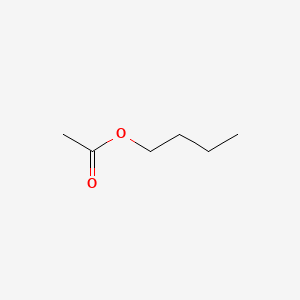
Identifiers
Functions
Hazards


GHS statements, classifications and precautions
H331
Critical
Toxic if inhaled
Acute Toxicity · Critical
H371
Critical
May cause damage to organs
Organ Toxicity · Critical
H370
Critical
Causes damage to organs
Organ Toxicity · Critical
H335
Warning
May cause respiratory irritation
Respiratory Irritation · Warning
H332
Warning
Harmful if inhaled
Acute Toxicity · Warning
H226
Flammable liquid and vapor
Physical Hazard · Low
Flam. Liq. 3
—
99.2%
STOT SE 3
—
99.7%
Flammable liquid
Category 3
—
Specific target organ toxicity (single exposure)
Category 3
—
Flammable liquids
Category 2
—
Acute toxicity (Inhalation: Vapours)
Category 3
—
Acute toxicity (Inhalation: Dusts and mists)
Category 3
—
Eye irritation
Category 2B
—
Specific target organ toxicity - Single exposure
Category 2 (respiratory system, central nervous system)
—
Hazardous to the aquatic environment (Acute)
Category 3
—
Acute toxicity (Inhalation: Dusts and mists)
Category 4
—
Skin corrosion/irritation
Category 3
—
Specific target organ toxicity - Single exposure
Category 1 (central nervous system), Category 2 (lung), Category 3 (respiratory tract irritation)
—
Specific target organ toxicity - Single exposure
Category 3 (Respiratory tract irritation, Narcotic effects)
—
Flammable agents - 3rd degree
—
—
This chemical does not meet GHS hazard criteria for 0.3% (12 of 4374) of reports
Aggregated GHS information provided per 4374 reports by companies from 88 notifications to the C&L Inventory. Each notification may be associated with multiple companies
Reported as not meeting GHS hazard criteria per 12 of 4374 reports by companies
There are 87 notifications provided by 4362 of 4374 reports by companies with hazard statement code(s)
2 - Materials that, under emergency conditions, can cause temporary incapacitation or residual injury
3 - Liquids and solids that can be ignited under almost all ambient temperature conditions. Materials produce hazardous atmospheres with air under almost all ambient temperatures or, though unaffected by ambient temperatures, are readily ignited under almost all conditions
0 - Materials that in themselves are normally stable, even under fire conditions
SKIN: prolonged or frequently repeated exposures may lead to drying. INHALATION: headaches, dizziness, nausea, irritation of respiratory passages and eyes
Narcosis induced in acute animal studies; In animal experiments, causes liver injury in doses greater than 500 mg/kg; [ACGIH] A skin, eye, and respiratory tract irritant; Inhalation of high concentrations can cause CNS depression
Skin Exposure: Prolonged or frequently repeated exposures may lead to drying /of skin and irritation of the eye/. Inhalation /exposure produces/ irritation of respiratory passages
Vapors irritating to eyes and respiratory tract
Safe in the present practices of use and concentration. Ingredient, concentration, and use information are available in documents discoverable at
IDENTIFICATION AND USE: n-Butyl acetate is a colorless liquid. It is used in manufacture of lacquer, artificial leather, photographic films, plastics, and safety glass. It is also used as an organic solvent and synthetic flavoring ingredient. HUMAN STUDIES: Male and female volunteers were exposed to different concentrations of n-butyl acetate vapor for 2 to 5 minutes. With exposure at 200 ppm for 3 to 5 minutes, the majority of the subjects complained of throat irritation; at 300 ppm for 3 to 5 minutes, the majority reported eye and nose irritation and severe throat irritation. In cases of severe overexposure, weakness, drowsiness, and unconsciousness have been seen. Chronic exposure to n-butyl acetate in humans has been associated with mild skin irritation. Repeated contact of the skin with the liquid may lead to defatting and cracking. Workers exposed chronically to n-butyl acetate have reported conjunctival irritation, feeling of chest constriction, and coughing. However, permanent lesions of the eyes and respiratory tract and other systemic effects have been reported in an occupational setting only when n-butyl acetate is present in a mixture with other solvents, and these effects appear to be due to the other solvents. ANIMAL STUDIES: n-Butyl acetate showed no sensitization potential when tested in a maximization test using guinea-pigs. Following 24 hr application of 0.01 mL of the neat material to the clipped skin of five albino rabbits, n-butyl acetate was slightly irritating. Guinea pigs exposed for 1 to 810 minutes at vapor concentration of 0.33, 0.7, or 1.4% by volume of n-butyl acetate were examined. At 0.33%, only eye irritation occurred. Irritation of the nose and eyes, lacrimation, incoordination, CNS depression, and respiratory disturbances were noted at the two higher concentration. Deaths were recorded only at the 1.4% concentration after 4 hours and occurred during exposure; slight to moderate congestion of the brain, lungs, and kidneys were noted. In mice, minimally effective concentrations for activity-decreasing effects were 2000 ppm for ethyl acetate and 8000 ppm for n-butyl acetate. The mutagenicity of n-butyl acetate in Salmonella typhimurium (TA98, TA100, TA1535, TA1537, and TA1538) and Escherichia coli (WP2uvrA) was examined. The mutation test was performed in the absence and presence of rat microsomal activation. No mutagenic activity was observed with n-butyl acetate
The substance can be absorbed into the body by inhalation of its vapour
inhalation, ingestion, skin and/or eye contact
Cough. Sore throat. Dizziness. Headache
Dry skin
Redness. Pain
Nausea
irritation eyes, skin, upper respiratory system; headache, drowsiness, narcosis
Neurotoxin - Acute solvent syndrome
Occupational hepatotoxin - Secondary hepatotoxins: the potential for toxic effect in the occupational setting is based on cases of poisoning by human ingestion or animal experimentation
Reported endpoints by species, route and conditions
| Endpoint | Species | Route | Reported value |
|---|---|---|---|
| LC50 | Rat | rat) = 390 ppm/4H | |
| LC50 | Mouse | Inhalation | Mouse inhalation 6000 mg/cu m/2 hr |
| LD50 | Rabbit | Dermal | Rabbit dermal >14 |
| LD50 | Rat | Oral | Rat (female) oral 10 |
| LD50 | Rat | Oral | Rat (male) oral 12 |
| Toxicity | Rabbit | Dermal | 112 mg/kg |
| Toxicity | Rat | Oral | 760 mg/kg |
| Toxicity | Rat | Oral | 789 mg/kg |
| Toxicity Data | LC50 (rat) = 390 ppm/4H | ||
| Non-Human Toxicity Values | LD50 Rabbit dermal >14,112 mg/kg bw | ||
| Non-Human Toxicity Values | LD50 Rat (female) oral 10,760 mg/kg bw | ||
| Non-Human Toxicity Values | LD50 Rat (male) oral 12,789 mg/kg bw | ||
| Non-Human Toxicity Values | LC50 Mouse inhalation 6000 mg/cu m/2 hr |
Operational controls and handling requirements
A harmful contamination of the air will be reached rather slowly on evaporation of this substance at 20 °C
The substance is irritating to the eyes and respiratory tract. The substance may cause effects on the central nervous system. Exposure far above the OEL could cause lowering of consciousness
The substance defats the skin, which may cause dryness or cracking
Excerpt for n-Butyl acetate
Skin: PREVENT SKIN CONTACT - Wear appropriate personal protective clothing to prevent skin contact
Eyes: PREVENT EYE CONTACT - Wear appropriate eye protection to prevent eye contact
Wash skin: WHEN CONTAMINATED - The worker should immediately wash the skin when it becomes contaminated
Remove: WHEN WET (FLAMMABLE) - Work clothing that becomes wet should be immediately removed due to its flammability hazard (i.e., for liquids with a flash point <100 °F)
Change: No recommendation is made specifying the need for the worker to change clothing after the workshift.
Eye/face protection: Use equipment for eye protection tested and approved under appropriate government standards such as (US) or EN 166(EU)
Skin protection: Handle with gloves
Body Protection: Impervious clothing. Flame retardant antistatic protective clothing. The type of protective equipment must be selected according to the concentration and amount of the dangerous substance at the specific workplace
Respiratory protection: Where risk assessment shows air-purifying respirators are appropriate use a full-face respirator with multipurpose combination (US) or type ABEK (EN 14387) respirator cartridges as a backup to engineering controls. If the respirator is the sole means of protection, use a full-face supplied air respirator. Use respirators and components tested and approved under appropriate government standards such as (US) or CEN (EU)
NO open flames, NO sparks and NO smoking. Above 22 °C use a closed system, ventilation and explosion-proof electrical equipment
Use ventilation, local exhaust or breathing protection
Protective gloves
Wear safety goggles or eye protection in combination with breathing protection
Do not eat, drink, or smoke during work
Excerpt from ERG Guide 129 [Flammable Liquids (Water-Miscible / Noxious)]:
ELIMINATE all ignition sources (no smoking, flares, sparks or flames) from immediate area. All equipment used when handling the product must be grounded. Do not touch or walk through spilled material. Stop leak if you can do it without risk. Prevent entry into waterways, sewers, basements or confined areas. A vapor-suppressing foam may be used to reduce vapors. Absorb or cover with dry earth, sand or other non-combustible material and transfer to containers. Use clean, non-sparking tools to collect absorbed material
LARGE SPILL: Dike far ahead of liquid spill for later disposal. Water spray may reduce vapor, but may not prevent ignition in closed spaces. (ERG, 2024)
Fireproof. Separated from strong oxidants, strong bases and strong acids. Cool
Keep container tightly closed in a dry and well-ventilated place. Containers which are opened must be carefully resealed and kept upright to prevent leakage
Immediate response and first-aid evidence
Fresh air, rest. Refer for medical attention
Remove contaminated clothes. Rinse skin with plenty of water or shower
First rinse with plenty of water for several minutes (remove contact lenses if easily possible), then refer for medical attention
Rinse mouth. Do NOT induce vomiting. Refer for medical attention
EYES: First check the victim for contact lenses and remove if present. Flush victim's eyes with water or normal saline solution for 20 to 30 minutes while simultaneously calling a hospital or poison control center. Do not put any ointments, oils, or medication in the victim's eyes without specific instructions from a physician. IMMEDIATELY transport the victim after flushing eyes to a hospital even if no symptoms (such as redness or irritation) develop
SKIN: IMMEDIATELY flood affected skin with water while removing and isolating all contaminated clothing. Gently wash all affected skin areas thoroughly with soap and water. If symptoms such as redness or irritation develop, IMMEDIATELY call a physician and be prepared to transport the victim to a hospital for treatment
INHALATION: IMMEDIATELY leave the contaminated area; take deep breaths of fresh air. If symptoms (such as wheezing, coughing, shortness of breath, or burning in the mouth, throat, or chest) develop, call a physician and be prepared to transport the victim to a hospital. Provide proper respiratory protection to rescuers entering an unknown atmosphere. Whenever possible, Self-Contained Breathing Apparatus (SCBA) should be used; if not available, use a level of protection greater than or equal to that advised under Protective Clothing
INGESTION: DO NOT INDUCE VOMITING. If the victim is conscious and not convulsing, give 1 or 2 glasses of water to dilute the chemical and IMMEDIATELY call a hospital or poison control center. Be prepared to transport the victim to a hospital if advised by a physician. If the victim is convulsing or unconscious, do not give anything by mouth, ensure that the victim's airway is open and lay the victim on his/her side with the head lower than the body. DO NOT INDUCE VOMITING. IMMEDIATELY transport the victim to a hospital
(General first aid procedures)
Eye: Irrigate immediately - If this chemical contacts the eyes, immediately wash (irrigate) the eyes with large amounts of water, occasionally lifting the lower and upper lids. Get medical attention immediately
Skin: Water flush promptly - If this chemical contacts the skin, flush the contaminated skin with water promptly. If this chemical penetrates the clothing, immediately remove the clothing and flush the skin with water promptly. If irritation persists after washing, get medical attention
Breathing: Respiratory support
Swallow: Medical attention immediately - If this chemical has been swallowed, get medical attention immediately
Excerpt from ERG Guide 129 [Flammable Liquids (Water-Miscible / Noxious)]:
CAUTION: The majority of these products have a very low flash point. Use of water spray when fighting fire may be inefficient
SMALL FIRE: Dry chemical, CO2, water spray or alcohol-resistant foam. Do not use dry chemical extinguishers to control fires involving nitromethane (UN1261) or nitroethane (UN2842)
LARGE FIRE: Water spray, fog or alcohol-resistant foam. Avoid aiming straight or solid streams directly onto the product. If it can be done safely, move undamaged containers away from the area around the fire
FIRE INVOLVING TANKS, RAIL TANK CARS OR HIGHWAY TANKS: Fight fire from maximum distance or use unmanned master stream devices or monitor nozzles. Cool containers with flooding quantities of water until well after fire is out. Withdraw immediately in case of rising sound from venting safety devices or discoloration of tank. ALWAYS stay away from tanks in direct contact with flames. For massive fire, use unmanned master stream devices or monitor nozzles; if this is impossible, withdraw from area and let fire burn. (ERG, 2024)
Use AFFF, alcohol-resistant foam, dry powder, carbon dioxide. In case of fire: keep drums, etc., cool by spraying with water
Suitable extinguishing media: Use water spray, alcohol-resistant foam, dry chemical or carbon dioxide
Advice for firefighters: Wear self contained breathing apparatus for fire fighting if necessary
If material on fire or involved in a fire: Do not extinguish fire unless flow can be stopped. Use water in flooding quantities as fog. Solid streams of water may spread fire. Cool all affected containers with flooding quantities of water. Apply water from as far a distance as possible. Use foam, dry chemical, or carbon dioxide. /Butyl acetates/
Excerpt from ERG Guide 129 [Flammable Liquids (Water-Miscible / Noxious)]:
IMMEDIATE PRECAUTIONARY MEASURE: Isolate spill or leak area for at least 50 meters (150 feet) in all directions
LARGE SPILL: Consider initial downwind evacuation for at least 300 meters (1000 feet)
FIRE: If tank, rail tank car or highway tank is involved in a fire, ISOLATE for 800 meters (1/2 mile) in all directions; also, consider initial evacuation for 800 meters (1/2 mile) in all directions. (ERG, 2024)
Personal protection: filter respirator for organic gases and vapours adapted to the airborne concentration of the substance. Ventilation. Remove all ignition sources. Collect leaking and spilled liquid in sealable metal or glass containers as far as possible. Absorb remaining liquid in sand or inert absorbent. Then store and dispose of according to local regulations
ACCIDENTAL RELEASE MEASURES: Personal precautions, protective equipment and emergency procedures: Use personal protective equipment. Avoid breathing vapors, mist or gas. Remove all sources of ignition. Beware of vapors accumulating to form explosive concentrations. Vapors can accumulate in low areas. Environmental precautions: Prevent further leakage or spillage if safe to do so. Do not let product enter drains. Discharge into the environment must be avoided. Methods and materials for containment and cleaning up: Contain spillage, and then collect with an electrically protected vacuum cleaner or by wet-brushing and place in container for disposal according to local regulations
Environmental considerations: Land spill: Dig a pit, pond, lagoon, or holding area to contain liquid or solid material /SRP: If time permits, pits, ponds, lagoons, soak holes, or holding areas should be sealed with an impermeable flexible membrane liner./ Dike surface flow using soil, sand bags, foamed polyurethane, or foamed concrete. Absorb bulk liquid with fly ash or cement powder. Apply appropriate foam to diminish vapor and fire hazard. /Butyl acetates/
Environmental considerations: Water spill: Use natural barriers or oil spill control booms to limit spill travel. Use surface active agent (eg detergent, soaps, alcohols), if approved by EPA. Inject "universal" gelling agent to solidify encircled spill and increased effectiveness of booms. If dissolved, in region of 10 ppm or greater concentration, apply activated carbon at ten times the spilled amount. Remove trapped material with suction hoses. Use mechanical dredges or lifts to remove immobilized masses of pollutants and precipitates. /Butyl acetates/
Environmental considerations: Air spill: Apply water spray or mist to knock down vapors. /Butyl acetates/
The waste waters from the production of antibiotics contain certain quantities of butyl acetate or butanol. For the purpose of their purification by removal of these organic solvents a technology and an installation have been created. The installation described operates steadily with waters tending to cause settling of solids, when heated in a heat exchanger or when decreasing the concentration of the organic solvent in the stripping column. The investigation of the industrial column shows a degree of purification of 99-100% at different regimes of operation. The five year exploitation of the installation for removal of butyl acetate and the two year operation of that for the removal of butanol showed that the solids coagulating from waste water did not settle on the apparatus walls
SRP: Recycle any unused portion of the material for its approved use or return it to the manufacturer or supplier. Ultimate disposal of the chemical must consider: the material's impact on air quality; potential migration in air, soil or water; effects on animal, aquatic and plant life; and conformance with environmental and public health regulations. If it is possible or reasonable use an alternative chemical product with less inherent propensity for occupational harm/injury/toxicity or environmental contamination
Product: Burn in a chemical incinerator equipped with an afterburner and scrubber but exert extra care in igniting as this material is highly flammable. Offer surplus and non-recyclable solutions to a licensed disposal company. Contact a licensed professional waste disposal service to dispose of this material. Contaminated packaging: Dispose of as unused product
SRP: Wastewater from contaminant suppression, cleaning of protective clothing/equipment, or contaminated sites should be contained and evaluated for subject chemical or decomposition product concentrations. Concentrations shall be lower than applicable environmental discharge or disposal criteria. Alternatively, pretreatment and/or discharge to a permitted wastewater treatment facility is acceptable only after review by the governing authority and assurance that "pass through" violations will not occur. Due consideration shall be given to remediation worker exposure (inhalation, dermal and ingestion) as well as fate during treatment, transfer and disposal. If it is not practicable to manage the chemical in this fashion, it must be evaluated in accordance with EPA 40 CFR Part 261, specifically Subpart B, in order to determine the appropriate local, state and federal requirements for disposal
/HUMAN EXPOSURE STUDIES/ No evidence of irritation or sensitization was reported in unpublished studies involving repeated insult patch tests with n-butyl acetate (4% in petrolatum) or as a nail enamel containing 25.5% n-butyl acetate on the skin of groups of (10-55) volunteers
/HUMAN EXPOSURE STUDIES/ When volunteers were exposed to n-butyl acetate, most of them reported that 3 to 5 min of exposure to 970 mg/cu m was irritating to the throat and that 1450 mg/cu m was irritating to the nose and eyes as well. In a later study, volunteers were exposed to 70, 350, 1050 or 1400 mg/cu m for 20 min or to 70 or 700 mg/cu m for 4 hr. The highest concentrations caused minimal irritation of eyes and respiratory passages. ... This study also included a control group of 36 patients, all of whom tested negative. In sensitization studies with human subjects, n-butyl acetate (4 or 10% in petroleum jelly) was reported to cause no irritation or sensitization
/HUMAN EXPOSURE STUDIES/ The irritation produced by acute exposure to n-butyl acetate in human subjects without any history of occupational solvent exposure was studied in three experiments. Exposure levels tested in the different experiments were 350, 700, 1,050, and 1,400 mg/m in 20 min sessions, 70 and 1,400 mg/cu m in 20 min sessions, and 70 and 700 mg/cu m in 4 hr sessions. Rating scales, various measures of eye irritation, and pulmonary functions were used to evaluate the irritation, and pulmonary functions were used to evaluate the irritation produced by the exposures in different parts of the study. The results indicate only very slight irritation from the exposures as revealed by categorical ratings, magnitude estimation, and some of the clinical measures of eye irritation and pulmonary functions, such as eye redness, lipid layer thickness, and bronchial responsiveness
/SIGNS AND SYMPTOMS/ During short-term exposure to the vapor of n-butyl acetate, irritation of the eyes, nose and throat have been noted; with severe overexposure, weakness, drowsiness, and unconsciousness have been seen. Chronic exposure to n-butyl acetate in humans has been associated with mild skin irritation
/LABORATORY ANIMALS: Acute Exposure/ Slight irritation was observed when 0.1 mL of n-butyl acetate (99% purity) was instilled into the conjunctival sac of four rabbits for 24 hr. A maximum Draize score of 7.5 (out of a possible total of 110) was recorded; scores at 48 hr, 72 hr, and 7 days were 2.0, 2.0, and 0.5, respectively. In a similar study, iritis and minor to moderate conjunctivitis (both of which had healed within 48 hr), but no corneal damage, were observed when 0.1 mL was instilled into the eyes of six rabbits. A maximum Draize score of 14.7/110 (occurring at 4 hr) was recorded
/LABORATORY ANIMALS: Acute Exposure/ ... In the maximization test, 15 Hartley strain guinea-pigs were each given intradermal injections of n-butyl acetate together with an adjuvant, followed 7 days later with a 48 hr covered patch. A challenge patch (24 hr covered contact) was applied 7 days after this induction regimen. ... /n-Butyl acetate showed no sensitization potential when tested in a maximization test using guinea-pigs. .../
/LABORATORY ANIMALS: Acute Exposure/ Following 24 hr application of 0.01 mL of the neat material to the clipped skin of five albino rabbits, n-butyl acetate was at most only slightly irritating. When 0.5 mL was applied to the clipped intact dorsal skin of New Zealand White rabbits (n = 5) under gauze patches and loosely covered with impervious sheeting for 4 hr, no irritation was observed over an observation period of 14 days. Severe irritation occurred, however, if the occlusion period was 24 hr
/LABORATORY ANIMALS: Acute Exposure/ In a series of acute 4 hour inhalation studies, ten Sprague Dawley rats, five animals of each sex, were exposed once for 4 hours to n-butyl acute vapor generated by different methods and then observed for 14 days. In one study, animals were exposed to a statically generated, nearly saturated (99.6%) vapor concentration of 6867 ppm. There were no deaths. Signs of toxicity observed on the day of exposure included ocular and respiratory irritation, dyspnea, ataxia, and /CNS depression/
Excerpt from ERG Guide 129 [Flammable Liquids (Water-Miscible / Noxious)]:
HIGHLY FLAMMABLE: Will be easily ignited by heat, sparks or flames. Vapors may form explosive mixtures with air. Vapors may travel to source of ignition and flash back. Most vapors are heavier than air. They will spread along the ground and collect in low or confined areas (sewers, basements, tanks, etc.). Vapor explosion hazard indoors, outdoors or in sewers. Those substances designated with a (P) may polymerize explosively when heated or involved in a fire. Runoff to sewer may create fire or explosion hazard. Containers may explode when heated. Many liquids will float on water. (ERG, 2024)
Flammable. Above 22 °C explosive vapour/air mixtures may be formed
Flammable liquid
Lower flammable limit: 1.3% by volume; Upper flammable limit: 7.6% by volume
Class IB Flammable Liquid: Fl.P. below 73 °F and BP at or above 100 °F
The vapour is heavier than air and may travel along the ground; distant ignition possible
Reacts with strong oxidants, strong acids and strong bases. This generates fire and explosion hazard. Attacks many plastics and rubber
Lower 1.4%; upper 7.5%
Explosive limits , vol% in air: 1.2-7.6
Highly flammable. Very slightly soluble in water
Esters, Sulfate Esters, Phosphate Esters, Thiophosphate Esters, and Borate Esters
BUTYL ACETATE is an ester. Esters react with acids to liberate heat along with alcohols and acids. Strong oxidizing acids may cause a vigorous reaction that is sufficiently exothermic to ignite the reaction products. Heat is also generated by the interaction of esters with caustic solutions. Flammable hydrogen is generated by mixing esters with alkali metals and hydrides. Attacks many plastics. [Handling Chemicals Safely 1980. p. 233]
Incompatible materials: Strong oxidizing agents, Strong reducing agents, Strong bases
Contact with nitrates, strong oxidizers, strong alkalies, and strong acids may cause fires and explosions
Ignites on contact with potassium tert-butoxide
Nitrates; strong oxidizers, alkalis & acids
Toxic vapors and gases (such as carbon monoxide) may be released in a fire involving butyl acetate
Immediate first aid: Ensure that adequate decontamination has been carried out. If patient is not breathing, start artificial respiration, preferably with a demand-valve resuscitator, bag-valve-mask device, or pocket mask, as trained. Perform CPR as necessary. Immediately flush contaminated eyes with gently flowing water. Do not induce vomiting. If vomiting occurs, lean patient forward or place on left side (head-down position, if possible) to maintain an open airway and prevent aspiration. Keep patient quiet and maintain normal body temperature. Obtain medical attention. /Esters and related compounds/
Basic treatment: Establish a patent airway (oropharyngeal or nasopharyngeal airway, if needed). Suction if necessary. Watch for signs of respiratory insufficiency and assist ventilation if necessary. Administer oxygen by nonrebreather mask at 10 to 15 L/min. Monitor for pulmonary edema and treat if necessary ... . Monitor for shock and treat if necessary ... . For eye contamination, flush eyes immediately with water. Irrigate each eye continuously with 0.9% saline (NS) during transport ... . Do not use emetics. For ingestion, rinse mouth and administer 5 mL/kg up to 200 mL of water for dilution if the patient can swallow, has a strong gag reflex, and does not drool. Administer activated charcoal ... . /Esters and related compounds/
Advanced treatment: Consider orotracheal or nasotracheal intubation for airway control in the patient who is unconscious, has severe pulmonary edema, or is in severe respiratory distress. Positive-pressure ventilation techniques with a bag-valve-mask device may be beneficial. Consider drug therapy for pulmonary edema ... . Monitor cardiac rhythm and treat arrhythmias if necessary ... . Start IV administration of D5W /SRP: "To keep open", minimal flow rate/. Use 0.9% saline (NS) or lactated Ringer's (LR) if signs of hypovolemia are present. For hypotension with signs of hypovolemia, administer fluid cautiously. Consider vasopressors if patient is hypotensive with a normal fluid volume. Watch for signs of fluid overload ... . Use proparacaine hydrochloride to assist eye irrigation ... . /Esters and related compounds/
The effects of combined exposure to n-butyl alcohol and n-butyl acetate on rotarod performance and hot plate behavior in rats and respiratory rate in mice were investigated in the condition of an acute inhalation experiment. Rotarod performance and hot-plate behavior were tested in rats exposed to various concentrations of n-butyl alcohol, n-butyl acetate and their mixture consisting of 50 vol-% n-butyl alcohol and 50 vol-% n-butyl acetate immediately after termination of a 4 hr exposure period. The respiratory rate in mice was recorded continuously before the exposure to solvents, during 6 min of exposure and 6 min after termination of exposure using whole body plethysmographic method. Mice were exposed to vapors of single solvents and their 50:50 vol-% mixture. Both solvents and their mixture caused concentration-dependent disturbances of rotarod performance in rat. The medial effective concentration (EC50) for the effect amounted to 7559 ppm, 8339 ppm, and 10,672 ppm for n-butyl alcohol, n-butyl acetate and their mixture, respectively. Both solvents and their mixture decreased sensitivity to the pain and changes were concentration -dependent. In condition of combined exposure the results obtained in rotarod and hot-plate behavior test indicate the summation of individual solvent effects. The tested solvents resulted in concentration-dependent decrease in respiratory rate in mice. n-Butyl alcohol produced maximal decrease in respiratory rate in the first minute of exposure whereas n-butyl acetate in the sixth minute
Adult female SPF rats (strain: Sprague-Dawley) were treated with 790 mg ethanol/kg body weight by intraperitoneal injection 30 minutes after the beginning of a 5-hr-inhalation of about 1,000 ppm n-butyl acetate in air via a tracheotomy tube (under urethane anesthesia). The elimination of the ethanol from blood which was increased to about 24 mmol/L (1.1%, g/v) was not delayed during the initial linear phase as compared to control (ethanol treatment without inhalation of n-butyl acetate). During inhalation approximately 24 mumol n-butyl acetate/L were measured in blood without ethanol treatment and approximately 52 mumol n-butanol/L as a metabolite of n-butyl acetate. The n-butanol content in blood was doubled under ethanol treatment. This increase is explained by substrate competition of both alcohols at the alcohol dehydrogenase with ethanol excess
The developmental toxic potential ... was examined in Sprague-Dawley rats following whole body inhalation exposure, 6 hr /per/ day, from day 6 to 20 of gestation. ... The developmental toxic effects of simultaneous exposures to ethylbenzene (EB) and /n-butyl acetate/ BA, or to toluene (TOL) and BA were evaluated. Pregnant rats were administered EB (0, 250 or 1000 ppm) and BA (0, 500 or 1500 ppm), or TOL (0, 500 or 1500 ppm) and BA (0, 500, 1500 ppm), separately and in combinations, using a 2 x 2 factorial design. The maternal weight gain was reduced after exposure to 1000 ppm EB, to 1500 ppm BA, or to 1500 ppm TOL, either alone or in binary combinations. A significant reduction of fetal weight was associated with exposure to 1000 ppm EB alone, to either mixtures of EB with BA, or to 1500 ppm TOL alone or combined with BA at either concentration. No embryolethal or teratogenic effects were observed whatever the exposure. There was no evidence of interaction between EB and BA or between TOL and BA in causing maternal or developmental effects
The following link will take the user to the National Toxicology Program Test Status of Agents Search page, which tabulates the results and current status of tests such as "Short-Term Toxicity Studies", "Long-term Carcinogenicity Studies", "Developmental Studies", "Genetic Toxicology Studies", etc., performed with this chemical. Testing status for n-butyl acetate is available.[Available from, as of March 27, 2018:
EPA has released the Interactive Chemical Safety for Sustainability (iCSS) Dashboard. The iCSS Dashboard provides an interactive tool to explore rapid, automated (or in vitro high-throughput) chemical screening data generated by the Toxicity Forecaster (ToxCast) project and the federal Toxicity Testing in the 21st century (Tox21) collaboration. /The title compound was tested by ToxCast and/or Tox21 assays/
No person may /transport,/ offer or accept a hazardous material for transportation in commerce unless that person is registered in conformance ... and the hazardous material is properly classed, described, packaged, marked, labeled, and in condition for shipment as required or authorized by ... /the hazardous materials regulations (49 CFR 171-177)./
The International Air Transport Association (IATA) Dangerous Goods Regulations are published by the IATA Dangerous Goods Board pursuant to IATA Resolutions 618 and 619 and constitute a manual of industry carrier regulations to be followed by all IATA Member airlines when transporting hazardous materials. Butyl acetates is included on the dangerous goods list. /Butyl acetates/
The International Maritime Dangerous Goods Code lays down basic principles for transporting hazardous chemicals. Detailed recommendations for individual substances and a number of recommendations for good practice are included in the classes dealing with such substances. A general index of technical names has also been compiled. This index should always be consulted when attempting to locate the appropriate procedures to be used when shipping any substance or article. Butyl acetates is included on the dangerous goods list. /Butyl acetates/
Flammable Liquid
R: 10-66-67; S: (2)-25; Note: 6
UN Hazard Class: 3; UN Pack Group: II