“Green tea-based caffeine can feel a bit smoother for some people compared to certain other sources.”
Green Tea Extract Consumer Sentiment
CtrlK
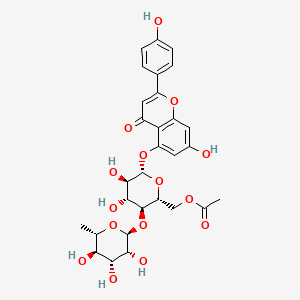
Identifiers
FormulaC29H32O15·CAS109232-77-1
Functions
AntimicrobialAntioxidant +9 more
How do consumers feel about products containing Green tea extract?
Positive
Mixed
Negative
Consumers view Green Tea Extract as a versatile, clean ingredient that provides smooth energy without jitters and offers antioxidant benefits for skin and metabolism.
Which consumer needs, benefits, and objections are associated with green tea extract?
Consumers primarily value green tea extract for sustained, jitter-free energy and calm focus, especially when paired with L-theanine in beverages and gums. In skincare, they seek anti-inflammatory, soothing, and antioxidant benefits for sensitive or irritated skin. Metabolic support, such as blood sugar and weight management, is an occasional but notable use. No explicit objections were observed in the evidence, but the absence of negative feedback may reflect limited data rather than universal acceptance. The positive sentiment is consistent across brands and consumers, indicating a versatile ingredient with strong perceived benefits in both ingestible and topical formats.
What do consumers discuss about Green tea extract?
Smooth Energy Without Jitters
Consumers frequently cite green tea extract as a source of natural caffeine that provides sustained focus and energy without the anxiety or crash associated with synthetic stimulants.
lemon8-app
tiktok
Skin Health and Antioxidant Protection
Green tea extract is highly valued in skincare for its ability to soothe irritation, reduce oiliness, protect against environmental stressors, and combat signs of aging through antioxidants.
facebook
lemon8-app
tiktok
Metabolism and Weight Management Support
Many users associate green tea extract with boosting metabolism, promoting fat loss, and aiding in weight control when combined with exercise or diet.
facebook
lemon8-app
Clean Label and Natural Ingredients
Consumers appreciate green tea extract as a 'clean' alternative to artificial additives, aligning with preferences for natural, non-GMO, and sugar-free products.
lemon8-app
Regulatory Classification
One post clarifies that green tea extract is legally defined as a dietary ingredient by regulatory bodies like the FDA.
youtube
How are current products and patent claims responding to consumer concerns about green tea extract?
Current products and patent claims are responding to consumer demand for natural, multifunctional ingredients. In beverages, green tea extract is combined with L-theanine to deliver smooth energy and focus, addressing the need for clean caffeine alternatives. In skincare, it is formulated into serums and cleansers for anti-inflammatory and antioxidant benefits. Patent claims show a broader response: green tea extract is used as a natural preservative in food films and compositions, as an antioxidant in plant protein beverages, and as a natural colorant when paired with rosemary. These approaches align with clean-label and functional product trends, though patents represent claimed approaches, not market adoption.
What concerns do consumers raise about Green tea extract?
Potential for overstimulation or jitters if sensitive to stimulants
lemon8-app
Concerns about artificial sweeteners in products containing green tea extract
lemon8-app
Where is the gap between consumer expectations and the current green tea extract offering?
The gap lies in the disconnect between consumer expectations for versatile benefits and the limited evidence of product performance. Consumers expect green tea extract to deliver smooth energy, skin soothing, and metabolic support, but the evidence does not show whether these benefits are clinically validated or consistently achieved across products. Patent claims suggest innovative uses, but they do not confirm that these formulations are commercially available or effective. Additionally, while consumers view green tea extract as a dietary ingredient, regulatory clarity is only mentioned in one expert source, leaving potential gaps in consumer understanding of safety and efficacy.
Which formulation approaches are being used to address those concerns around green tea extract?
Formulation approaches focus on enhancing stability, bioavailability, and multifunctionality. In beverages, green tea extract is combined with L-theanine to smooth caffeine effects, and with vitamin C to boost antioxidant activity. Patent claims describe incorporating green tea extract into chitosan-based films for food preservation, using it as a natural colorant with rosemary, and fermenting it with Pediococcus pentosaceus to improve skin moisturization and antioxidant activity. These approaches aim to deliver benefits in diverse formats—from edible oils to cosmetics—while addressing clean-label demands for natural preservatives and colorants. However, patents are not evidence of commercial use.
What consumer-led opportunity or risk should researchers consider for green tea extract?
A clear opportunity is to leverage green tea extract's dual appeal in both ingestible and topical products, as consumers already associate it with energy, focus, and skin health. Researchers could explore combining it with complementary ingredients like L-theanine or vitamin C to enhance perceived benefits. However, a risk is the lack of explicit consumer objections in the evidence, which may indicate unmet concerns about efficacy or safety that are not yet visible. Additionally, while patents show innovative uses like natural colorants and preservatives, these are not yet consumer-validated, so researchers should be cautious about assuming market readiness.