Green Tea Extract Toxicity
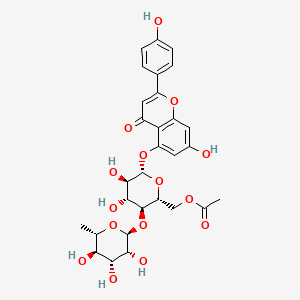
Identifiers
Functions
What are the material safety considerations for green tea extract?
Green tea extract (Camellia sinensis leaf extract) is considered safe for use in cosmetics when formulated to be non-sensitizing, according to the CIR Expert Panel. No GHS hazard classifications or exposure limits are available in the supplied evidence. The primary safety consideration is sensitization potential, which is formulation-dependent. This means formulators must verify that finished products do not induce skin sensitization, as the safety conclusion is conditional on this property. The absence of GHS classifications does not indicate zero hazard but reflects a lack of standardized hazard data in this evidence set.
How should hazard classifications and toxicology findings for green tea extract be interpreted together?
The toxicology finding—safe as used when non-sensitizing—should be interpreted as a conditional safety conclusion rather than an unconditional approval. The absence of GHS classifications means no standardized hazard statements, pictograms, or signal words are available to support labeling decisions. The CIR conclusion provides a regulatory-relevant safety benchmark for cosmetic use, but it is not equivalent to a GHS hazard assessment. For formulation, this means the ingredient can be used if sensitization is controlled, but manufacturers should not assume it carries no hazard potential. The evidence supports a qualified safety profile, not a hazard-free one.
Which exposure routes, dose contexts, or effects are material for green tea extract?
The material exposure context is dermal application in cosmetic products, as the safety conclusion specifically addresses use in cosmetics. The key effect is sensitization, which is the only toxicological endpoint addressed in the evidence. No dose-response data, acute toxicity values, or exposure limits are provided, so no quantitative exposure thresholds can be established. The absence of exposure limits means occupational or consumer exposure benchmarks cannot be derived from this evidence. For product development, the relevant consideration is ensuring the final formulation is non-sensitizing, as the safety determination is contingent on this property.
Which handling and risk-management measures are relevant for green tea extract?
The primary risk-management measure is ensuring formulations are non-sensitizing, as the safety conclusion is conditional on this property. This requires sensitization testing in finished products and careful selection of concentrations and co-ingredients to avoid triggering allergic responses. No specific handling precautions, personal protective equipment, or engineering controls are indicated by the evidence, since no GHS classifications or exposure limits exist. For cosmetic manufacturing, standard good manufacturing practices for botanical extracts apply, but the absence of hazard classifications means no additional regulatory-mandated controls are identified. The key control is formulation-level sensitization management.
Which safety evidence gaps should be resolved before making decisions about green tea extract?
Before making final decisions, the critical evidence gap is the absence of GHS hazard classifications and exposure limits for green tea extract. Without these, standardized hazard communication, occupational exposure controls, and emergency response measures cannot be established. Additionally, no sensitization potency data or dose-response information is available to guide maximum use concentrations. The CIR conclusion provides a safety benchmark, but it does not quantify the threshold for sensitization. Resolving these gaps would require obtaining GHS classification data and sensitization endpoint studies to support robust risk assessments and labeling decisions.