Green Tea Extract Patent Landscape
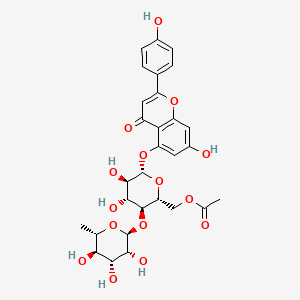
Identifiers
Functions
Which organizations and claims shape current development around green tea extract?
Amorepacific Corp is a leading organization, claiming green tea extracts with modified GCG/EGCG ratios for anti-wrinkle, whitening, body fat reduction, and female hormone regulation. Kemin Industries claims a natural red color using green tea extract with rosemary. Korea Food Research Institute claims a natural preservative composition with Ecklonia cava and guava leaf. Xianghu Laboratory claims sleep-improving compositions combining green tea extract with saffron and chamomile. Other organizations include Kyungpook National University (natural hydrogen bond donor solvent extraction), Kolmar BNH (tablet formulations), and various Korean and Chinese companies focusing on cosmetics and beverages. These claims span food, cosmetics, and pharmaceutical applications, indicating broad industrial interest.
How is Green tea extract innovation changing in Cosmetics?
Monthly patent filings by domain
Which technical problems do recent patents address with green tea extract?
Recent patents address technical problems in preservation, oxidation control, and functional efficacy. For preservation, green tea extract is combined with chitosan and other plant extracts to inhibit microbial growth and oxidation in food films, and with Ecklonia cava and guava leaf to prevent lipid oxidation and extend storage stability. For oxidation, it is used as an antioxidant in plant protein beverages and edible oils. Patents also tackle specific efficacy issues, such as improving skin moisturization and antioxidant activity via fermentation, and modifying polyphenol ratios (GCG/EGCG) to target anti-wrinkle, whitening, and female hormone regulation. A key technical problem is enhancing extraction efficiency and bioavailability using natural eutectic solvents or hydrogen bond donor solvents.
How do recent patents change the role or application of green tea extract?
Recent patents expand green tea extract's role from a general antioxidant to a multifunctional active ingredient. It is now claimed as a natural colorant in combination with rosemary extract to provide red or caramel color, a dyeing agent in shampoo for hair color, and a sleep aid when combined with saffron and chamomile. It is also positioned for respiratory health improvement and heavy metal reduction, and for treating traveler's diarrhea via high-catechin formulations. These roles shift the ingredient from a simple additive to a targeted functional component in food, cosmetics, and pharmaceutical applications, often requiring specific polyphenol profiles or fermentation to achieve desired effects.
How is Green tea extract used in Cosmetics patents?
Which Cosmetics product categories feature Green tea extract in recent patents?
Which product categories and formulation strategies emerge in recent work on green tea extract?
Emerging product categories include food preservation films, plant protein beverages, edible oils, natural food colors, shampoos with dyeing function, sleep-improving products, and respiratory health compositions. Formulation strategies focus on combining green tea extract with other botanical extracts (e.g., turmeric, lemon, rosemary, Ecklonia cava) for synergistic effects, using fermentation (e.g., with Pediococcus pentosaceus) to enhance skin benefits, and modifying polyphenol ratios (GCG/EGCG) for specific cosmetic and pharmaceutical claims. Extraction innovations include natural eutectic solvents and hydrogen bond donor solvents to improve antioxidant yield and bioavailability. Tablet formulations with pigments and preservative-free facial masks also represent novel delivery formats.
Where is the evidence-backed white space for further development of green tea extract?
Evidence-backed white space exists in combining green tea extract with other natural extracts for synergistic preservation and functional benefits, as seen in food films and preservative compositions. There is also opportunity in developing extraction methods using natural eutectic solvents or hydrogen bond donors to improve antioxidant yield and bioavailability, which could be applied across food, cosmetics, and pharmaceuticals. Additionally, the use of green tea extract in sleep improvement and respiratory health is emerging, suggesting potential for further exploration in these areas. However, the evidence is limited to patent claims, and actual product development and market adoption remain unverified.