“Human milk oligosaccharides (HMOs) are complex carbohydrates (sugars) that are highly abundant in human breast milk... provide food for the beneficial microbes... helps ensure beneficial microbes will quickly colonize the infant gut microbiome”
Human Milk Oligosaccharides Consumer Sentiment
CtrlK
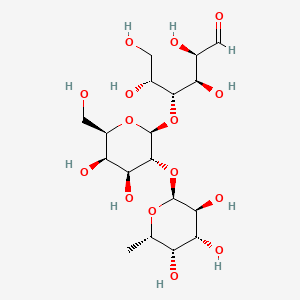
Identifiers
FormulaC18H32O15·CAS41263-94-9·EC807-054-1
How do consumers feel about products containing Human milk oligosaccharides?
Positive
Mixed
Negative
Consumers and experts view Human Milk Oligosaccharides (HMOs) as a critical, scientifically backed ingredient that bridges the gap between formula and breast milk by supporting gut health and immune development.
Which consumer needs, benefits, and objections are associated with Human Milk Oligosaccharides?
Consumers associate Human Milk Oligosaccharides (HMOs) with infant gut health, digestive comfort, and immune support. A parent reported reduced baby discomfort after switching to HMO-containing formula, and an influencer highlighted oligosaccharides for digestion and immune health. Experts explain that HMOs are not metabolized by the body but are broken down by infant gut microbes, increasing health-associated microbes and suppressing pathogens. No explicit objections were observed in the evidence, but the absence of negative sentiment may reflect limited data. The main consumer need is for formula that mimics breast milk's immune-nourishing prebiotic benefits, with scientific validation as a supporting theme.
What do consumers discuss about Human milk oligosaccharides?
Gut Health and Microbiome Support
HMOs are consistently described as essential prebiotics that feed beneficial gut bacteria, crowd out pathogens, and establish a healthy infant microbiome.
facebook
lemon8-app
tiktok
Immune System Protection
Parents and experts link HMOs to reduced risks of infections and allergies, noting they help train the infant immune system.
lemon8-app
Formula-Breastmilk Gap Bridging
The inclusion of HMOs in formula is viewed as a significant advancement that allows formula-fed babies to receive benefits similar to those of breastfed infants.
lemon8-app
tiktok
How are current products and patent claims responding to consumer concerns about Human Milk Oligosaccharides?
Current products respond to consumer interest in HMOs by incorporating them as a selling point for digestive and immune health. A brand markets a children's powder featuring 'breakthrough prebiotic human milk oligosaccharides' structurally similar to mother's milk, alongside essential nutrients. An influencer promotes a formula containing prebiotics GOS and oligosaccharides for digestion and immune support. No patent claims were available in the evidence, so it is unclear how recent patent activity addresses consumer concerns. The market response appears focused on communicating HMOs' breast-milk similarity and health benefits, rather than addressing specific objections, which were not observed.
Where is the gap between consumer expectations and the current Human Milk Oligosaccharides offering?
The gap lies between consumer expectations for HMOs as a breast-milk-mimicking ingredient and the limited evidence of how products deliver on that promise. Consumers and experts view HMOs positively for gut and immune health, but no data on clinical outcomes, dosage, or comparative efficacy was observed. While brands highlight HMOs' structural similarity to breast milk, the evidence does not show whether products meet consumer expectations for reducing discomfort or supporting immunity in real-world use. This gap suggests a need for clearer communication of evidence-based benefits, but the available data is too sparse to define the gap precisely.
Which formulation approaches are being used to address those concerns around Human Milk Oligosaccharides?
Formulation approaches emphasize combining HMOs with other prebiotics and essential nutrients to support digestion and immune health. One product includes HMOs alongside a blend of essential nutrients, while another formula combines GOS and oligosaccharides. These approaches aim to replicate the structural similarity to breast milk and deliver gut and immune benefits. The evidence does not specify concentrations, specific HMO types beyond 2'-FL, or delivery formats. Formulators appear to be leveraging HMOs as a premium, science-backed ingredient, but the lack of detailed formulation data limits understanding of how they address potential stability or dosage challenges.
What consumer-led opportunity or risk should researchers consider for Human Milk Oligosaccharides?
A consumer-led opportunity exists to position HMOs as a science-backed, breast-milk-similar ingredient for infant gut and immune health, given the positive sentiment and expert validation. However, the risk is overstating benefits without robust evidence, as no clinical data or patent claims were available to substantiate product claims. Researchers should consider exploring consumer demand for transparency about HMO types, dosages, and clinical support. The absence of objections in the evidence may indicate a receptive market, but it also highlights a research gap: understanding potential concerns such as cost, safety, or efficacy would be decision-relevant for product development.