Human Milk Oligosaccharides Suppliers & Manufacturers
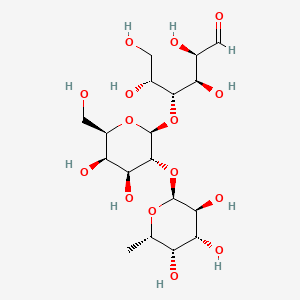
Identifiers
What does available trade activity indicate for Human milk oligosaccharides?
Human milk oligosaccharides is classified under HS Code 2940.00. This falls under Chapter 29: Organic chemicals, specifically Heading 2940 (Sugars, chemically pure, other than sucrose, lactose, maltose, glucose and fructose; sugar ethers, sugar acetals and sugar esters, and their salts, other than the products of heading 29.37, 29.38, or 29.39), under subheading: Sugars, chemically pure, other than sucrose, lactose, maltose, glucose and fructose; sugar ethers, sugar acetals and sugar esters, and their salts, other than the products of heading 29.37, 29.38, or 29.39.
* The data below is specific to the HS code, not the ingredient.
Suppliers
342
Across 48 countries
Shipments
2,858
from 2015 to 2026
Total weight
95.1M kg
8,032 TEU · standard 20-foot container units
Last shipment
8 months ago
Last updated at Feb 25, 2026
Growth
↑ 38%
Trade under 2940.00 has increased by 38% over the past 6 months
What does trade activity suggest about the Human Milk Oligosaccharides supply chain?
Trade activity under HS 2940.00 shows a large, active supply chain with 342 suppliers, 2,858 shipments, and roughly 95 million kg moved between 2015 and 2026. Belgium, Japan, Thailand, and China lead in shipment volume, with notable recent activity from suppliers like Chr Hansen Hmo and Ajinomoto. This suggests a mature, high-volume market for chemically pure sugars, but the data is not ingredient-specific to HMOs. Business implication: the scale indicates robust logistics infrastructure, yet formulation decisions should not assume all this volume represents HMO demand or availability.
What does the HS or HTS classification include, and where are its limits for Human Milk Oligosaccharides?
HS code 2940.00 covers chemically pure sugars other than sucrose, lactose, maltose, glucose, and fructose, plus sugar ethers, acetals, esters, and their salts, excluding products of headings 2937-2939. This is a broad organic chemical category that includes many compounds beyond HMOs, such as sugar derivatives used in food, pharmaceuticals, and cosmetics. The classification scope is therefore a boundary: it captures potential HMO trade but also unrelated chemicals. For research, this means the data provides supply-chain context, not confirmed HMO volumes, and any sourcing analysis must verify product identity separately.
Which suppliers are associated with Human milk oligosaccharides trade?
| Supplier | Shipments | Top customer | Growth | Last shipment | |
|---|---|---|---|---|---|
No suppliers found. | |||||
How concentrated or diversified does the supplier landscape appear for Human Milk Oligosaccharides?
The supplier landscape appears highly diversified, with 342 suppliers across 48 countries, but shipment concentration is notable: Belgium, Japan, and Thailand account for over half of all shipments. Selected suppliers include known HMO-relevant names like Chr Hansen Hmo, Jennewein Biotechnologie, and Danisco, alongside many distributors and logistics firms. This mix suggests a two-tier structure: a few specialized manufacturers serving major nutrition customers, and a long tail of traders handling broader chemical categories. For procurement, this implies potential supply security from multiple sources, but also requires vetting to distinguish true HMO producers from general chemical suppliers.
Which supply risks or dependencies around Human Milk Oligosaccharides require further diligence?
Key risks include reliance on a few named suppliers—Chr Hansen Hmo, Jennewein Biotechnologie, and Danisco—for apparent HMO-linked shipments, with Chr Hansen showing recent activity to Abbott Nutrition. China's 83 suppliers present both opportunity and risk, as many are small or unverified for HMO production. The broad HS code means some shipments may be unrelated chemicals, creating potential misclassification risk in sourcing. Further diligence should verify each supplier's HMO manufacturing capability, quality certifications, and customer relationships, especially for infant nutrition applications where regulatory compliance is critical.
Which sourcing geographies and trade lanes appear most relevant to Human Milk Oligosaccharides?
Belgium, Japan, Thailand, and China are the most active sourcing geographies by shipment count and weight, with Belgium alone accounting for 671 shipments and 28.8 million kg. Germany, Mexico, South Korea, and Singapore also show meaningful activity. Selected suppliers like Chr Hansen Hmo (Germany) and Jennewein Biotechnologie (Belgium) ship to Abbott entities, indicating a Europe-to-North America lane for infant nutrition. China has the highest supplier count at 83, suggesting a fragmented sourcing base. These lanes are relevant for logistics planning, but the HS code captures broader sugar chemistry trade, so HMO-specific routes require confirmation.
Which countries drive Human milk oligosaccharides trade activity?
By shipment count
Belgium
671 shipments
17 suppliers
28.8M kg total weight
Japan
478 shipments
12 suppliers
14.5M kg total weight
Thailand
351 shipments
11 suppliers
15.2M kg total weight
China
319 shipments
83 suppliers
7.8M kg total weight
Israel
234 shipments
11 suppliers
4.1M kg total weight
Germany
187 shipments
30 suppliers
4.7M kg total weight
Mexico
98 shipments
22 suppliers
3.1M kg total weight
South Korea
86 shipments
19 suppliers
1.9M kg total weight
India
57 shipments
14 suppliers
745.2K kg total weight
Singapore
56 shipments
4 suppliers
3.6M kg total weight