“Magnesium Bisglycinate, Montmorency Cherries, Chamomile, Lemonbalm and Lavender. Choose this powerful pairing if you are in need of extra support right now.”
Magnesium Bisglycinate Consumer Sentiment
CtrlK
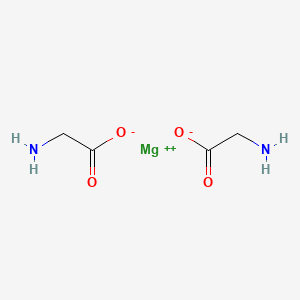
Identifiers
FormulaC4H8MgN2O4·CAS14783-68-7·EC238-852-2
Functions
Buffering
How do consumers feel about products containing Magnesium bisglycinate?
Positive
Mixed
Negative
Consumers and experts consistently view Magnesium Bisglycinate as the superior form of magnesium due to its high absorption, gentle digestive profile, and effectiveness for sleep and anxiety.
Which consumer needs, benefits, and objections are associated with Magnesium bisglycinate?
Consumers associate Magnesium bisglycinate with sleep, relaxation, and anxiety relief, describing it as calming an overactive mind and supporting anti-anxiety responses and muscle relaxation. It is also valued for being highly absorbable and gentle on the stomach, with one brand calling it the best all-around form. No negative feedback or objections were found in the provided consumer posts, indicating a strongly positive perception. The business implication is that marketing can confidently lead with these benefits, but the absence of objections in the evidence does not mean they do not exist in the broader market.
What do consumers discuss about Magnesium bisglycinate?
Sleep Quality and Relaxation
Magnesium Bisglycinate is overwhelmingly cited as a primary aid for improving sleep quality, reducing nighttime awakenings, and calming the nervous system without causing morning grogginess.
instagram
lemon8-app
facebook
High Absorption and Bioavailability
Users frequently highlight that Magnesium Bisglycinate is the most bioavailable and easily absorbed form of magnesium compared to other types like oxide or citrate.
instagram
facebook
tiktok
Gentle on Digestion
A key differentiator for consumers is that Magnesium Bisglycinate does not cause the laxative effects or stomach upset associated with other magnesium forms like citrate or oxide.
facebook
lemon8-app
tiktok
Anxiety and Stress Relief
Consumers report using Magnesium Bisglycinate to manage daily stress, reduce anxiety, and calm overactive neurotransmitters.
lemon8-app
tiktok
Muscle Recovery and Cramps
Users mention benefits for muscle soreness, cramp reduction, and physical recovery, particularly when combined with other nutrients or used post-workout.
facebook
lemon8-app
tiktok
How are current products and patent claims responding to consumer concerns about Magnesium bisglycinate?
Current patent claims are responding to consumer needs for calmness, sleep, and cognitive support by pairing magnesium bisglycinate with complementary actives. One patent claims an anti-stress powder combining it with L-theanine and L-tryptophan, while another claims a sleep-wake rhythm supplement with melatonin, GABA, and botanicals. A third claims a brain-health supplement with a magnesium derivative among polyphenols and vitamins. These are claimed approaches, not proof of market adoption. The implication is that formulators are exploring multi-ingredient systems to address the same consumer concerns, but commercial products may not yet reflect these combinations.
Where is the gap between consumer expectations and the current Magnesium bisglycinate offering?
The gap lies between consumer expectations of a simple, effective mineral supplement and the complex, multi-ingredient formulations being claimed in patents. Consumers praise bisglycinate alone for sleep and relaxation, while patents pair it with theanine, tryptophan, melatonin, and botanicals. This suggests that while the ingredient is trusted on its own, formulators believe added actives are needed to differentiate or enhance outcomes. The research implication is that a standalone bisglycinate product may meet basic expectations, but the market may be moving toward more comprehensive blends that consumers have not yet explicitly requested.
Which formulation approaches are being used to address those concerns around Magnesium bisglycinate?
Formulation approaches are addressing consumer concerns through encapsulation and combination strategies. One patent claims microencapsulation of magnesium bisglycinate with a prebiotic shell of arabinogalactan and corn fiber to create a free-flowing powder for sachets, targeting anti-stress effects. Another claims a composition with up to 500 mg magnesium as a bioavailable source alongside melatonin and GABA for sleep. These approaches aim to improve delivery, stability, and efficacy. The business implication is that novel delivery formats and synergistic blends are the primary levers being explored, though these are patent claims, not evidence of commercialized products.
What consumer-led opportunity or risk should researchers consider for Magnesium bisglycinate?
A consumer-led opportunity exists in positioning magnesium bisglycinate as a gentle, effective alternative to other magnesium forms, given the positive sentiment around absorption and stomach comfort. However, the risk is that consumers may not distinguish bisglycinate from glycinate, as one brand post notes they are often considered the same. Researchers should consider whether to invest in educating consumers on the specific benefits of bisglycinate or to focus on the broader magnesium glycinate category. The evidence does not show a clear consumer preference for one over the other, making differentiation a strategic choice.