Magnesium Bisglycinate Suppliers & Manufacturers
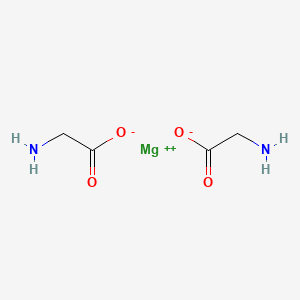
Identifiers
Functions
What does available trade activity indicate for Magnesium bisglycinate?
Magnesium bisglycinate is classified under HS Code 2922.49. This falls under Chapter 29: Organic chemicals, specifically Heading 2922 (Oxygen-function amino-compounds), under subheading: Amino-acids, other than those containing more than one kind of oxygen function, their esters; salts thereof, excluding lysine, glutamic acid, anthranalic acid and tilidine, their esters and salts thereof.
* The data below is specific to the HS code, not the ingredient.
Suppliers
5,988
Across 113 countries
Shipments
30,322
from 2015 to 2026
Total weight
1B kg
73,775 TEU · standard 20-foot container units
Last shipment
8 months ago
Last updated at Feb 25, 2026
Growth
↑ 51%
Trade under 2922.49 has increased by 51% over the past 6 months
What does trade activity suggest about the Magnesium bisglycinate supply chain?
Trade activity under HS 2922.49 is broad and not ingredient-specific, so it does not confirm a dedicated magnesium bisglycinate supply chain. The data shows 5,988 suppliers and 30,322 shipments, with China, India, Italy, and Japan leading in supplier counts and shipment volumes. This suggests a large, active market for amino-acid-related chemicals, but the presence of unrelated sectors (e.g., automotive, logistics) indicates the classification captures diverse trade flows. For formulation planning, this means the signal is too noisy to infer magnesium bisglycinate availability or pricing trends. Further supplier-level verification is needed to identify actual producers of this chelate.
What does the HS or HTS classification include, and where are its limits for Magnesium bisglycinate?
HS 2922.49 covers 'Other' oxygen-function amino-compounds, specifically amino-acids (excluding lysine, glutamic acid, anthranilic acid, and tilidine) and their esters and salts. This scope is broad, encompassing many amino-acid derivatives and salts, not just magnesium bisglycinate. The classification does not distinguish between different amino-acid chelates or salts, so trade data under this code cannot isolate magnesium bisglycinate shipments. For regulatory or sourcing decisions, this means the HS code provides only a general category for amino-acid compounds, and any supplier or shipment evidence must be treated as potentially unrelated to the target ingredient.
Which suppliers are associated with Magnesium bisglycinate trade?
| Supplier | Shipments | Top customer | Growth | Last shipment | |
|---|---|---|---|---|---|
No suppliers found. | |||||
How concentrated or diversified does the supplier landscape appear for Magnesium bisglycinate?
The supplier landscape appears highly fragmented, with 5,988 suppliers across 113 countries, but a few large players dominate shipment counts. For example, Divis Laboratories (India) has 433 shipments, Nouryon Functional Chemicals (Sweden) has 310, and Avid Organics (India) has 290. This mix of large chemical manufacturers and many smaller entities suggests a diversified but not concentrated market. However, since the HS code includes many unrelated products, this structure does not reflect magnesium bisglycinate specifically. For procurement, this means the market may offer multiple potential sources, but due diligence is required to identify which suppliers actually produce the chelate.
Which supply risks or dependencies around Magnesium bisglycinate require further diligence?
Key supply risks include the lack of ingredient-specific shipment evidence, making it impossible to confirm which suppliers actually handle magnesium bisglycinate. The HS code's broad scope means many listed suppliers operate in unrelated sectors, such as automotive or logistics, creating noise. Additionally, some high-volume suppliers (e.g., Ajinomoto, Kyowa Hakko) are known for amino acids, but their involvement with this specific chelate is unverified. Further diligence should focus on direct supplier outreach, certifications, and product specifications to confirm manufacturing capability and avoid reliance on misclassified trade data.
Which sourcing geographies and trade lanes appear most relevant to Magnesium bisglycinate?
China, India, Italy, and Japan are the most prominent sourcing geographies by supplier count and shipment volume, with China alone accounting for 1,986 suppliers and 7,816 shipments. Other notable lanes include Belgium, Vietnam, South Korea, and Germany. However, because the HS code covers a wide range of amino-acid compounds, these geographies may not be specific to magnesium bisglycinate. For supply chain planning, this suggests that if sourcing magnesium bisglycinate, these regions are likely starting points, but direct supplier verification is essential to confirm actual production and export of the chelate.
Which countries drive Magnesium bisglycinate trade activity?
By shipment count
China
7,816 shipments
1,986 suppliers
208.9M kg total weight
India
4,323 shipments
378 suppliers
62.6M kg total weight
Italy
3,195 shipments
256 suppliers
66.1M kg total weight
Japan
1,202 shipments
213 suppliers
74.9M kg total weight
Belgium
1,138 shipments
198 suppliers
28.9M kg total weight
Vietnam
1,060 shipments
242 suppliers
34.1M kg total weight
South Korea
997 shipments
220 suppliers
37.1M kg total weight
Germany
894 shipments
223 suppliers
17.1M kg total weight
Netherlands
670 shipments
83 suppliers
16.4M kg total weight
Taiwan
624 shipments
202 suppliers
19.3M kg total weight