“The coffin was made by Dutch company Loop Biotech using mycelium (the root-like network of fungi) and hemp fibres from agricultural waste.”
Mycelium Consumer Sentiment
CtrlK
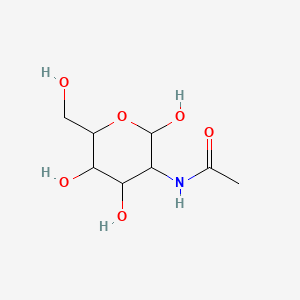
Identifiers
FormulaC8H15NO6
How do consumers feel about products containing Mycelium?
Positive
Mixed
Negative
Consumers view mycelium as a versatile and sustainable material for food, packaging, and fashion, but express significant skepticism regarding its use in health supplements due to concerns about filler grains and lower potency compared to fruiting bodies.
Which consumer needs, benefits, and objections are associated with Mycelium?
Consumers associate mycelium with sustainability, biodegradability, and versatility across packaging, fashion, furniture, and gardening, viewing it as a positive alternative to plastic and leather. They also recognize its role in tempeh as a natural binder and as a novel protein source. Key objections include uncertainty about taste and chalky texture in protein powders, and concerns that processing mycelium leather with chemicals may compromise its organic, sustainable appeal. These objections are minor to moderate in severity, indicating a need for clearer communication and product refinement.
What do consumers discuss about Mycelium?
Sustainable Materials & Packaging
Consumers and brands highlight mycelium's potential as a biodegradable alternative to Styrofoam, leather, and conventional furniture, praising its compostability and low environmental impact.
instagram
tiktok
youtube
pinterest
Novel Food Sources
Users discuss mycelium as a clean, plant-based protein source for meat substitutes like bacon and tempeh, noting its texture and binding properties.
facebook
Supplement Quality Concerns
A segment of consumers actively warns against myceliated grain supplements, arguing that the grain acts as a starch filler that dilutes the active compounds found in fruiting bodies.
facebook
lemon8-app
Home Cultivation & Gardening
Enthusiasts share detailed guides on growing mycelium at home using substrates like rice, straw, and coffee grounds, viewing it as a rewarding DIY hobby.
lemon8-app
Ecological Importance
Posts emphasize mycelium's role as an underground network that supports plant health, soil structure, and forest communication, often described as nature's internet.
lemon8-app
How are current products and patent claims responding to consumer concerns about Mycelium?
Current products and patent claims are responding to consumer concerns by focusing on improving texture and durability. In food, patents use mycelium in meat substitutes via screw extrusion, 3D printing with biomimetic marbling, and solid-state fermentation to create fibrous structures that mimic meat. For materials, patents address durability and finish objections by using isocyanate crosslinking, surfactant-based coatings, and finishing methods for leather substitutes. These approaches aim to enhance performance and aesthetic quality, though patents represent claimed approaches, not proven market adoption.
What concerns do consumers raise about Mycelium?
Mycelium supplements are largely composed of inert grain filler (rice/oats) rather than pure fungal matter, reducing their efficacy.
facebook
lemon8-app
Commercial mycelium leather production may involve chemical processing that compromises its organic and sustainable credentials.
pinterest
Some mycelium species are parasitic and destructive to trees, creating confusion between beneficial garden mycelium and harmful pathogens.
instagram
Where is the gap between consumer expectations and the current Mycelium offering?
The gap lies between consumer expectations of 'natural' and 'sustainable' mycelium products and the reality that processing often involves chemicals. Consumers question whether mushroom leather remains organic if treated with chemicals, and protein powders may have undesirable taste and texture. While patents focus on technical performance, they do not address consumer perception of chemical processing. This suggests a need for transparent communication about processing methods and for developing cleaner, more natural formulation approaches that align with consumer values.
Which formulation approaches are being used to address those concerns around Mycelium?
Formulation approaches target texture, taste, and durability concerns. For food, mycelium is combined with plant proteins, texture improvers like gluten and starch, and flavor regulators to improve meat-like texture and taste. 3D printing uses mycelium-based inks with alginic acid or CMC to create structured marbling, and solid-state fermentation with TG enzyme builds fibrous scaffolds. For materials, mycelium sheets are crosslinked with isocyanates or coated with biodegradable polymers and surfactants to enhance strength and finish, addressing durability and chemical concerns.
What consumer-led opportunity or risk should researchers consider for Mycelium?
A clear opportunity exists to develop mycelium products that emphasize minimal chemical processing, as consumers value biodegradability and organic composition. For food, improving taste and texture of mycelium protein is critical to overcome the chalky perception. For materials, offering transparent, low-chemical processing could differentiate brands. However, there is a risk that over-engineering with crosslinkers and coatings may alienate eco-conscious consumers. Researchers should prioritize clean-label formulations and clear sustainability communication to bridge the gap.