Mycelium Patent Landscape
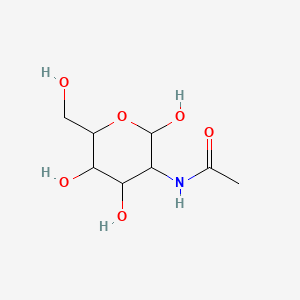
Identifiers
Which organizations and claims shape current development around Mycelium?
Key organizations include Ecovative LLC, Seiko Epson, and Hermes Sellier, each driving innovation in structural materials. Ecovative focuses on biopolymer composites with isocyanate crosslinking and post-processing methods to achieve specific densities and elasticities. Seiko Epson develops composites where mycelium integrates with oriented fibers for enhanced strength. Hermes Sellier targets luxury leather substitutes with finishing coatings. These organizations claim methods for producing durable, functional materials, indicating a trend toward high-performance applications. The claims emphasize process innovations like crosslinking, fibrillation, and coating to tailor mycelium's properties.
How is Mycelium innovation changing?
Monthly patent filings
Which technical problems do recent patents address with Mycelium?
Recent patents address the technical problem of transforming mycelium into durable, functional materials by improving its mechanical properties and processability. For example, methods involve alkali pretreatment, surface modification, and crosslinking with plasticizers to create elastomer analogs for cushioning packaging. Other patents focus on enhancing mycelium's structural integrity for use in automotive interior leather, textiles, and building materials through techniques like fibrillation, heat pressing, and chemical crosslinking. A key challenge is achieving water repellency and specific densities, as seen in patents for water-repellent fiber foams and biopolymer panels. These approaches aim to overcome mycelium's inherent limitations in strength and stability for diverse applications.
How do recent patents change the role or application of Mycelium?
Recent patents shift mycelium's role from a simple binder or filler to a primary structural component in advanced materials. It is now used as a base for elastomer analogs, leather substitutes, and even crystalline structures for electronics. The role expands into functional applications like triboelectric nanofiber films for energy harvesting and water-repellent coatings. In food, mycelium is positioned as a key ingredient in meat analogs, either through solid-state fermentation or as a base for 3D-printed textures. This evolution indicates a move from passive material to active, engineered component, enabling new product categories and performance characteristics.
Which product categories and formulation strategies emerge in recent work on Mycelium?
Emerging product categories include automotive interior leather, textiles, building insulation, and even insect breeding containers. Formulation strategies focus on creating composites by integrating mycelium with fibers, polymers, and crosslinking agents. For example, patents describe using mycelium with plant proteins and reinforcing agents for leather-like materials, or with cellulose fibers for water-repellent foams. In food, strategies involve solid-state fermentation to construct meat analogs and 3D printing with mycelium-based inks for biomimetic textures. These approaches aim to enhance mechanical strength, durability, and specific functionalities like water repellency or thermal insulation.
Where is the evidence-backed white space for further development of Mycelium?
Evidence-backed white space exists in combining mycelium with advanced functional materials, such as metal-organic compounds for crystalline structures and MXene for triboelectric nanofilms. These patents suggest untapped potential in electronics and energy applications. Additionally, the use of mycelium in health supplements, as seen in an extract patent, indicates a growing but underexplored area. The focus on post-processing and crosslinking in patents points to opportunities for developing standardized methods to improve consistency and performance. Further research could explore integrating mycelium with other bio-based polymers to create novel composites with tailored properties.