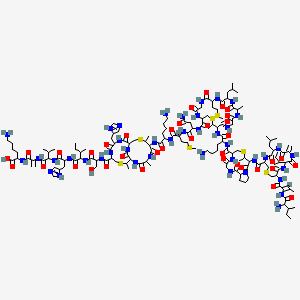
Regulations of Nisin

NISIN

Identifiers

FormulaC143H230N42O37S7·CAS1414-45-5·EC215-807-5

Functions

Antimicrobial

How does the regulatory treatment of nisin differ by market or product category?

Regulatory treatment of nisin varies by market and product category. In the EU, nisin is listed under ECHA C&L notifications and has an EFSA legal basis under Commission Directive 77/1996, which was repealed by Directive 2008/84/EC. In Australia, it appears on the AICIS inventory of industrial chemicals. For food use, the FDA permits nisin as a preservative on casings for frankfurters and cooked meat and poultry products as an antimicrobial agent. In cosmetics, nisin is an active ingredient in the EU with no listed restrictions or maximum concentration. These differences mean compliance requirements depend on jurisdiction and intended product type.

Which United States federal regulations apply to Nisin?

1 regulation

FDA GRAS Notices

GRAS notices

NoticeNotifierIntended useBasisFiledClosedFDA responseStatus
65
RRhodia, Inc.
Use on casings for frankfurters and on cooked meat and poultry products as an antimicrobial agentScientific procedures20 Dec 200020 Apr 2001FDA has no questionsauthorized

What EU regulatory requirements apply to Nisin?

1 regulation

EFSA Legal Basis

Commission Directive (EC) No 77/1996 (Repealed by Com Dir2008/84/EC)

What regulations apply to Nisin in China?

1 regulation

IECIC Listed Ingredients (List I)

Published
24 Jun 2025
Effective
24 Jun 2025

Regulatory records

EntryRegulationTypeStatus
5644Inventory of Existing Cosmetic Ingredients in China (IECIC) IList Iauthorized

Record details

Inventory of Existing Cosmetic Ingredients in China (IECIC) I

professional use only
No

What regulations apply to Nisin in Australia?

1 regulation

The Australian Inventory of Industrial Chemicals

Chemical: Nisin

Which conditions, limits, and use contexts most affect a compliance assessment for nisin?

The most material condition for compliance is the acceptable daily intake (ADI) of 0–2 mg/kg body weight for nisin A, reaffirmed by JECFA, which applies only to nisin A, not other forms. For food use, the FDA specifies use on casings for frankfurters and cooked meat and poultry products as an antimicrobial agent, with scientific procedures supporting the approval. In cosmetics, nisin has no listed restrictions, conditions, or maximum concentration in the EU inventory. These factors directly affect formulation limits and safety assessments, particularly for food products where the ADI constrains allowable levels.

What should be in place before a product containing nisin is assessed for launch?

Before launch, a product containing nisin should have documentation confirming the specific nisin form, because the ADI applies only to nisin A. For food applications, evidence of FDA no-objection status for the intended use—such as on casings for frankfurters or cooked meat and poultry—should be available, along with scientific procedures supporting antimicrobial efficacy. For EU markets, the regulatory basis under the repealed Directive 77/1996 and its replacement should be verified. For cosmetics, confirmation of active status in the EU inventory with no restrictions is needed. These documents support a compliance assessment.

Where does the available regulatory position stop short of supporting a decision on nisin?

The available regulatory position stops short of supporting a full decision because it lacks current, product-specific use conditions. The EU EFSA legal basis references a repealed directive, leaving the current legal status unclear. The FDA approval is limited to specific food applications and does not cover other product categories. The ADI applies only to nisin A, but no data confirm whether commercial nisin is always nisin A. For cosmetics, the absence of restrictions does not confirm safety for all formulations. These gaps mean a compliance decision requires additional current regulatory and toxicological data.

Which recent regulatory changes or effective dates are material for nisin?

A material regulatory change is the repeal of Commission Directive (EC) No 77/1996 by Commission Directive 2008/84/EC, which affects the EU legal basis for nisin. This change means any compliance assessment must reference the newer directive rather than the original. Additionally, JECFA reaffirmed the ADI of 0–2 mg/kg bw for nisin A at its 99th meeting, with the conclusion that the ADI applies only to nisin A. These updates are decision-relevant because they alter the applicable regulatory framework and the scope of the safety threshold.