“Derived salmon DNA aka polydeoxyribonucleotide, we use Rejuran Healer... Repairs & regenerates skin, builds collagen, plumps & hydrates for that glow”
Polydeoxyribonucleotide Consumer Sentiment
CtrlK
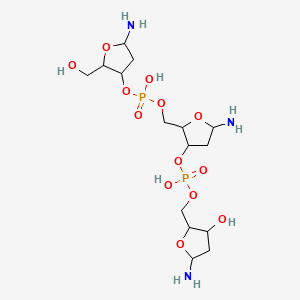
Identifiers
FormulaC15H31N3O13P2·CAS9007-49-2·EC805-335-3
Functions
SKIN Conditioning
How do consumers feel about products containing Polydeoxyribonucleotide?
Positive
Mixed
Negative
Consumers view Polydeoxyribonucleotide (PDRN) as a highly effective, regenerative ingredient that offers a gentler, non-invasive alternative to traditional anti-aging treatments like retinol and invasive procedures.
Which consumer needs, benefits, and objections are associated with Polydeoxyribonucleotide?
Consumers associate PDRN with salmon DNA-derived regeneration, collagen stimulation, barrier repair, deep hydration, and a 'glass skin' glow, with overwhelmingly positive sentiment and no negative comments in the evidence. They value its anti-inflammatory and soothing properties, especially for sensitive or post-procedure skin, and report visible improvements in elasticity, texture, and hyperpigmentation. Objections are moderate: the high cost of professional injectables like Rejuran Healer versus topicals, and uncertainty about whether topical PDRN absorbs as effectively as injectables. These concerns are not framed as safety issues but as efficacy and value trade-offs.
What do consumers discuss about Polydeoxyribonucleotide?
Salmon DNA Origin
Consumers frequently identify PDRN as being derived from salmon DNA or sperm, often noting its similarity to human DNA as a key factor in its safety and efficacy.
instagram
facebook
lemon8-app
tiktok
youtube
Skin Regeneration and Healing
The primary benefit cited by consumers is PDRN's ability to repair skin barriers, heal wounds, reduce inflammation, and promote cellular regeneration.
instagram
facebook
lemon8-app
youtube
Gentle Alternative to Retinol
Many users position PDRN as a suitable replacement for irritating actives like retinol and tretinoin, particularly for those with sensitive skin or compromised barriers.
lemon8-app
tiktok
youtube
Glass Skin and Hydration
Consumers associate PDRN with achieving the 'glass skin' look through intense hydration, plumping effects, and improved skin texture.
lemon8-app
tiktok
youtube
Invasive vs. Topical Options
Discussions highlight a spectrum of usage from painful injectable clinic treatments (Rejuran) to convenient at-home creams and serums, with users weighing pain and downtime against potency.
instagram
lemon8-app
youtube
How are current products and patent claims responding to consumer concerns about Polydeoxyribonucleotide?
Current products and patent claims are responding to cost and efficacy concerns by expanding PDRN beyond injectables into accessible topicals and advanced delivery formats. Brands market creams, serums, masks, and skin boosters that pair PDRN with collagen, hyaluronic acid, niacinamide, and panthenol to support barrier strength and hydration. Patent claims address topical absorption by proposing nano-assemblies, microcapsules, exosome encapsulation, and microneedle patches to enhance transdermal permeability and stability. They also shift toward non-animal sources—plant, microbial, and synthetic—to address ethical and allergen concerns, while maintaining anti-aging and repair claims.
What concerns do consumers raise about Polydeoxyribonucleotide?
Pain and downtime associated with injectable PDRN treatments like Rejuran Healer
instagram
lemon8-app
Uncertainty regarding the effectiveness of low concentrations of PDRN in topical products compared to clinical injections
lemon8-app
Skepticism about whether topical PDRN can truly replicate the results of invasive procedures
youtube
Where is the gap between consumer expectations and the current Polydeoxyribonucleotide offering?
The gap lies between consumer expectations of injectable-level efficacy and the reality of topical PDRN products. Consumers praise topicals for hydration and soothing but question whether they match the regenerative results of professional injectables like Rejuran Healer. Patent claims attempt to close this by improving penetration and stability, but no clinical or comparative data is provided in the evidence to substantiate topical equivalence. Additionally, while consumers emphasize salmon DNA origin, the patent landscape shifts toward plant and microbial sources, which may conflict with the origin story that drives consumer appeal. This creates a positioning challenge for brands.
Which formulation approaches are being used to address those concerns around Polydeoxyribonucleotide?
Formulation approaches focus on overcoming PDRN's poor transdermal permeability and stability. Patents describe nano-assemblies with heat shock proteins and hyaluronic acid, bilayer core-shell microcapsules, and electrostatic self-assembly with arginine to create nanoscale complexes. Exosome encapsulation from plant or microbial sources is claimed to improve skin permeability and targeted delivery. Microneedle patches and low-molecular-weight PDRN (e.g., 120–600 bp) are proposed to enhance penetration without invasive procedures. Synergistic combinations with collagen, ceramides, niacinamide, and peptides are used to support barrier repair and anti-aging, while microencapsulation in polyacid formulas aims to reduce irritation.
What consumer-led opportunity or risk should researchers consider for Polydeoxyribonucleotide?
A consumer-led opportunity is to develop affordable, non-invasive PDRN formats that deliver visible regeneration, as cost and efficacy concerns are the main objections. The strong positive sentiment around salmon DNA origin suggests that maintaining this narrative is valuable, but the patent shift to plant and microbial sources may create a risk of consumer skepticism if the 'salmon DNA' story is diluted. Researchers should explore how to communicate the benefits of alternative sources without losing the regenerative and biocompatibility appeal. Additionally, the lack of negative sentiment indicates a white space for products that address the professional-versus-topical efficacy gap with substantiated claims.