Polydeoxyribonucleotide Patent Landscape
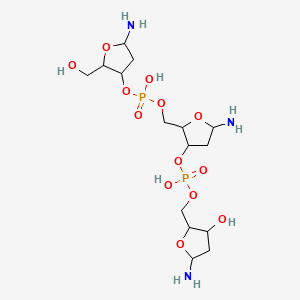
Identifiers
Functions
Which organizations and claims shape current development around Polydeoxyribonucleotide?
A diverse range of organizations, including cosmetic companies, biotech firms, and research institutions, are active in PDRN development. Key players include Aekyung, Amorepacific, and various Korean and Chinese companies. Their claims focus on novel sourcing (e.g., from plants, microalgae, and recombinant E. coli), advanced delivery systems (e.g., exosomes, liposomes, and microneedles), and specific functional benefits (e.g., anti-inflammatory, hair growth, and skin barrier repair). This landscape indicates a competitive field with innovation driven by both established cosmetic manufacturers and specialized biotech entities.
How is Polydeoxyribonucleotide innovation changing in Cosmetics?
Monthly patent filings by domain
Which technical problems do recent patents address with Polydeoxyribonucleotide?
Recent patents primarily address two technical problems: improving the stability and transdermal delivery of polydeoxyribonucleotide (PDRN), and diversifying its sourcing away from animal tissues. Delivery challenges are tackled through encapsulation in exosomes, liposomes, nanoparticles, and microcapsules, often designed to be enzyme-responsive or to enhance skin penetration. Sourcing problems are addressed by developing plant-derived, microbial, or recombinant PDRN with specific molecular weights and purity, aiming to provide non-animal alternatives. These claimed approaches focus on overcoming the inherent instability and poor permeability of PDRN while meeting the demand for sustainable, animal-free ingredients.
How do recent patents change the role or application of Polydeoxyribonucleotide?
Recent patents expand PDRN's role from a general skin-repair and anti-aging active to a versatile ingredient with targeted functions. It is now claimed for specific indications such as acne prevention, atopic dermatitis improvement, hair growth promotion, and scalp health. Additionally, PDRN is positioned as a synergistic partner in complex formulations, such as an anti-irritant in retinol products or combined with fermentation filtrates for enhanced anti-aging. This shift indicates a move towards more specialized, indication-driven applications, leveraging PDRN's regenerative and anti-inflammatory properties in diverse cosmetic and pharmaceutical contexts.
How is Polydeoxyribonucleotide used in Cosmetics patents?
Which Cosmetics product categories feature Polydeoxyribonucleotide in recent patents?
Which product categories and formulation strategies emerge in recent work on Polydeoxyribonucleotide?
Emerging product categories include serums, creams, toners, masks, and hair loss treatments, with a notable focus on encapsulation systems like exosomes, liposomes, and microspheres to improve stability and delivery. Formulation strategies emphasize combining PDRN with complementary actives such as hyaluronic acid, collagen, peptides, and botanical extracts to create multi-functional compositions. There is also a trend towards developing PDRN from non-animal sources, including plants, microalgae, and recombinant microorganisms, to address sustainability and ethical concerns. These strategies aim to enhance efficacy, target specific skin conditions, and broaden the ingredient's appeal.
Where is the evidence-backed white space for further development of Polydeoxyribonucleotide?
Evidence-backed white space exists in developing PDRN from non-animal sources with defined molecular characteristics and purity, as patents claim plant, microalgae, and recombinant sources but do not establish commercial adoption. Additionally, there is room for exploring PDRN in combination with other actives for specific indications like acne and atopic dermatitis, as these are emerging in patents but not yet widespread. Formulation strategies that enhance stability and targeted delivery, such as enzyme-responsive nanoparticles and exosome encapsulation, also represent areas of ongoing innovation with potential for further development.