“🧪 3g of sodium alginate powder – the secret ingredient for the popping magic! ... Sodium alginate (from seaweed) reacts with calcium lactate.”
Sodium Alginate Consumer Sentiment
CtrlK
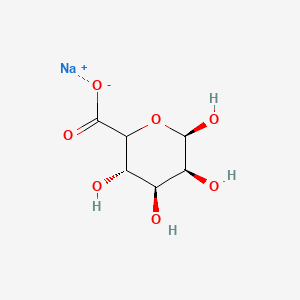
Identifiers
FormulaC6H9NaO7
Functions
BindingFragrance +1 more
How do consumers feel about products containing Sodium alginate?
Positive
Mixed
Negative
Consumers view sodium alginate as a versatile, effective, and safe ingredient for creating fun culinary textures like popping boba and providing reliable relief for heartburn.
Which consumer needs, benefits, and objections are associated with sodium alginate?
Consumers associate sodium alginate with two primary benefits: creating novel food textures and providing fast relief from heartburn. In food, it is widely used in homemade popping boba and molecular gastronomy, where it forms satisfying bursting pearls and gels. In healthcare, it is valued for quick heartburn relief, with brands promoting relief in as fast as one minute. No negative consumer objections were observed in the available evidence, and sentiment is positive. This suggests that consumer trust is high, but it also means that potential concerns, such as texture variability or ingredient interactions, are not yet visible in public discourse.
What do consumers discuss about Sodium alginate?
Molecular Gastronomy & Popping Boba
Sodium alginate is primarily celebrated by home cooks and food enthusiasts for its ability to create 'popping boba' and caviar through spherification techniques.
lemon8-app
tiktok
Heartburn & GERD Relief
Consumers and health professionals recognize sodium alginate as an effective mechanical barrier against acid reflux when combined with bicarbonate and calcium.
facebook
tiktok
Educational Science & Chemistry
Users appreciate the educational aspect of sodium alginate, viewing it as a tangible way to demonstrate polymerization and chemical reactions in cooking or labs.
lemon8-app
tiktok
youtube
Sports Nutrition DIY
Runners discuss using sodium alginate to replicate commercial energy gels at home, valuing its gelling properties for carb delivery.
tiktok
How are current products and patent claims responding to consumer concerns about sodium alginate?
Current products and patent claims respond to consumer needs by leveraging sodium alginate's gelling and stabilizing properties across food, cosmetics, and pharmaceuticals. In food, patents focus on texture innovation, such as runny egg-flavored jelly, slow-digesting foods, and plant-based meat with improved chewiness, aligning with consumer interest in novel textures and satiety. In cosmetics, patents use alginate for peel-off masks and elastic films that provide a tightening effect, responding to desires for immediate skin benefits. In oral care, it is used in sustained-release systems for toothpaste. These patent claims indicate a broad market response to consumer demands for texture, satiety, and functional benefits, though they do not confirm product adoption.
Where is the gap between consumer expectations and the current sodium alginate offering?
The gap between consumer expectations and current offerings lies in the lack of visible consumer objections or unmet needs in the evidence, which may indicate that the market is still nascent or that concerns are not yet articulated. While consumers appreciate sodium alginate for popping boba and heartburn relief, there is no evidence of consumer feedback on issues like texture consistency, ingredient transparency, or long-term efficacy. This gap suggests that brands have an opportunity to proactively address potential concerns, such as clean-label positioning or sensory quality, before they become prominent. However, the absence of negative sentiment also means that current offerings may be meeting expectations, but this is not confirmed.
Which formulation approaches are being used to address those concerns around sodium alginate?
Formulation approaches address consumer concerns by using sodium alginate in combination with calcium sources and other biopolymers to create stable gels, controlled-release systems, and improved textures. For example, patents use calcium chloride or calcium lactate to crosslink alginate for popping boba and liquid-core gel spheres, ensuring a satisfying burst. In plant-based meat, alginate is combined with konjac glucomannan and calcium chloride for instantaneous ionic gelation to lock fiber structure, improving chewiness. In cosmetics, alginate is paired with modified starch and polyols to form elastic films for skin tightening. These approaches aim to deliver the desired texture, stability, and functional benefits that consumers expect.
What consumer-led opportunity or risk should researchers consider for sodium alginate?
A consumer-led opportunity exists in leveraging sodium alginate's dual role in food texture and health benefits, such as satiety and heartburn relief, to create multifunctional products. For example, patents show alginate-based instant gelling powders that form hydrogels in the stomach to promote fullness, aligning with consumer interest in weight management. Additionally, its use in plant-based meat and dairy alternatives addresses the demand for clean-label, animal-free stabilizers. However, a risk is that consumers may not recognize sodium alginate as a familiar or natural ingredient, potentially creating a barrier. Researchers should consider how to communicate its seaweed origin and functional benefits to build trust.