Products & Brands Using Sodium Alginate
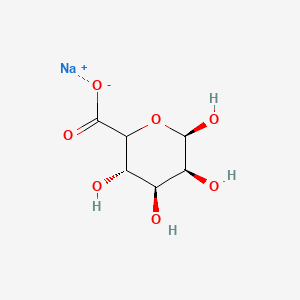
Identifiers
Functions
How broadly is Sodium alginate used across tracked brands and products?
Brands
13
Across 10 product types
Products
76
Includes function: Binder
Product Types
10
Distinct formulation categories
Functions
10
Known functional-use labels
What does product breadth indicate about the commercial maturity of sodium alginate?
Sodium alginate is a mature ingredient with a long commercial history, evidenced by product records from 1985 to 2019 and a stable presence across 76 products. The breadth of categories—from baby shampoo to foundation—indicates established formulation use. Patent activity is extensive (404 patents) and spans food, cosmetics, pharma, and packaging, showing continued R&D investment. However, the concentration in lotions and adhesives suggests that while the ingredient is well-established, its commercial footprint in personal care is not expanding rapidly; innovation is more visible in patent filings for advanced delivery and biomedical applications.
How is sodium alginate positioned across the market?
Sodium alginate is positioned as a functional, natural-origin ingredient across mass-market and premium personal care brands. Commercial products span 13 brands, from natural-focused lines like Vineyard Hill Naturals to established names like Paul Mitchell, with usage in lotions, cleansers, and masks. Patent activity shows a shift toward high-value applications: LVMH patents describe elastic film-forming serums, and multiple filings cover controlled-release systems for actives, probiotics, and drugs. This suggests a market position that is moving from a commodity thickener toward a differentiator in texture, delivery, and sensory claims.
Top companies using Sodium alginate in their products
Ranked by number of tracked products that list sodium alginate, out of 76 total.
Where is Sodium alginate covered by tracked regulatory lists?
Jurisdictions
Markets where this ingredient appears on tracked ingredient regulation lists.
US Federal
1111 tracked lists
EU
99 tracked lists
Canada
11 tracked list
Other
11 tracked list
Regulatory Bodies
Authorities cited most often across the tracked ingredient lists.
FDA
Danish Environmental Protection Agency
EPA
European Food Safety Authority
IFRA
Which product categories, formats, and functions use sodium alginate?
Sodium alginate appears across personal care, food, pharmaceutical, and industrial applications. In commercial products, it is most common in hand/body lotions (25 of 76 products), followed by arts and crafts adhesives, body washes, face creams, and masks. Patent evidence shows broader use as a gelling agent in food items like jellies, noodles, and plant-based meat, and as a structural polymer in wound dressings, drug delivery systems, and tissue engineering scaffolds. Its functions span thickening, stabilizing, film-forming, and encapsulation, indicating a versatile ingredient rather than a category-specific one.
Which product categories contain Sodium alginate?
Tracked product categories ranked by distinct products containing this ingredient.
Which formulation and co-ingredient patterns recur around sodium alginate?
Recurring formulation patterns pair sodium alginate with calcium salts (chloride, lactate, carbonate, sulfate) for ionic crosslinking, and with other hydrocolloids like xanthan gum, carrageenan, and konjac for texture synergy. In commercial personal care, glycerol, glyceryl stearate, and phenoxyethanol are common co-ingredients, suggesting use in emulsion stabilization. Patent evidence shows frequent combination with proteins (soy, whey, collagen) to form double-network gels, and with chitosan for polyelectrolyte complexes in encapsulation. These patterns indicate a functional role as a structural polymer that is often co-formulated to achieve specific gel or film properties.
Which product spaces around sodium alginate appear crowded or differentiated?
Crowded spaces include basic gelling in food (jellies, noodles) and standard thickening in lotions, where many patents and products exist. Differentiated opportunities appear in high-value biomedical applications: wound dressings, tissue scaffolds, and drug delivery systems show strong patent activity but limited commercial product evidence, suggesting a gap between R&D and market. Similarly, advanced cosmetic formats like elastic film-forming serums (LVMH) and pH-responsive oral care capsules are emerging. Sustainable packaging and functional foods (satiety gels, probiotic encapsulation) also show differentiation potential with less crowding.