“Just came across a fact that products made from natural wheat straw are naturally anti-bacterial and odourless... makes a lot of sense to move from plastic to wheat straw tableware”
Wheat Straw Pulp Consumer Sentiment
CtrlK
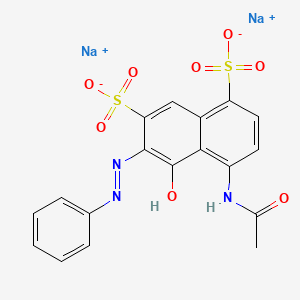
Identifiers
FormulaC18H13N3Na2O8S2·CAS9005-53-2·EC302-591-3
Functions
AbsorbentBulking +2 more
How do consumers feel about products containing Wheat straw pulp?
Positive
Mixed
Negative
Consumers generally appreciate wheat straw products for their eco-friendly and durable qualities, but there is a strong undercurrent of concern regarding potential toxicity, melamine contamination, and gluten cross-contact.
Which consumer needs, benefits, and objections are associated with Wheat Straw Pulp?
Consumers associate Wheat Straw Pulp with sustainability, durability, and safety for children, but a serious objection is the risk of gluten cross-contamination for celiac or gluten-sensitive users. Positive sentiment centers on eco-friendly, tree-free material and unbreakable, BPA-free dinnerware, while the gluten concern is widely discussed in gluten-free communities. The business implication is that any product using wheat straw must address allergen safety to avoid excluding a sensitive consumer segment. A boundary is that this objection is based on consumer discussion, not confirmed contamination data.
What do consumers discuss about Wheat straw pulp?
Eco-Friendly & Sustainable
Consumers view wheat straw as a valuable alternative to plastic, praising its biodegradability, compostability, and role in reducing environmental waste.
facebook
youtube
pinterest
Durability & Practicality
Users highlight the unbreakable nature, microwave safety, and lightweight design of wheat straw dinnerware as key benefits for home and travel use.
facebook
youtube
Gluten Safety Concerns
Individuals with celiac disease or gluten sensitivity express fear that wheat straw products may contain residual gluten proteins, posing a risk of cross-contact.
facebook
Toxicity & Chemical Safety
Some consumers warn that wheat straw plastic may be toxic due to hidden chemicals like melamine or microplastics, urging caution despite marketing claims.
facebook
tiktok
How are current products and patent claims responding to consumer concerns about Wheat Straw Pulp?
Current products respond to consumer concerns by emphasizing wheat straw's natural, eco-friendly origin and safety attributes, such as being BPA-free and unbreakable, as seen in packaging and dinnerware marketing. However, there is no evidence of products directly addressing the gluten cross-contamination objection; no patent claims are available for wheat straw pulp. The implication is a potential market gap: brands are leveraging sustainability and durability but not proactively mitigating allergen fears. A boundary is that patent absence does not indicate no innovation, only that no claims were found.
What concerns do consumers raise about Wheat straw pulp?
Risk of gluten cross-contact for people with celiac disease or severe allergies
facebook
Potential presence of toxic chemicals, melamine, or microplastics in 'plastic' wheat straw products
facebook
tiktok
Product degradation such as bubbling or wear over time
facebook
Where is the gap between consumer expectations and the current Wheat Straw Pulp offering?
The gap lies between consumer appreciation for wheat straw's eco-friendly and durable qualities and the unresolved concern about gluten cross-contamination, which is not addressed in current product messaging. While consumers value the natural aesthetic and safety for kids, gluten-free communities worry about residue or processing contact, and no evidence shows brands responding to this. The implication is that without clear allergen communication or testing, wheat straw products may lose trust among a sensitive segment. A boundary is that this gap is based on limited consumer discussion, not comprehensive market analysis.
Which formulation approaches are being used to address those concerns around Wheat Straw Pulp?
Formulation approaches in the market focus on combining wheat straw with food-grade polypropylene (PP) to create lightweight, durable, and BPA-free dinnerware, as highlighted in consumer posts. This addresses durability and safety for children but does not tackle gluten cross-contamination. The implication is that formulation strategies are material-focused, not allergen-focused, leaving a potential gap for gluten-sensitive consumers. A boundary is that these are product claims, not verified formulation details, and no patent data exists to confirm broader industry approaches.
What consumer-led opportunity or risk should researchers consider for Wheat Straw Pulp?
A consumer-led opportunity is to develop wheat straw products with verified gluten-free status or clear allergen labeling, directly addressing the serious concern raised by gluten-free communities. This could differentiate brands in a market where sustainability is valued but safety is questioned. The risk is that without such measures, wheat straw products may be rejected by celiac consumers, limiting market reach. The implication is that proactive allergen management could turn a current objection into a competitive advantage. A boundary is that this is based on consumer sentiment, not regulatory requirements.