Regulations of Wheat Straw Pulp

CELLULOSE

Identifiers

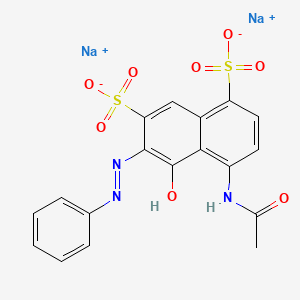
FormulaC18H13N3Na2O8S2·CAS9005-53-2·EC302-591-3

Functions

AbsorbentBulking +2 more

How does the regulatory treatment of Lignin differ by market or product category?

Regulatory treatment of Lignin varies by market. In the EU, it has aggregated GHS notifications under ECHA, indicating company-reported hazard classifications. In the US, it is listed on the EPA Safer Chemical list with a Green Circle low-concern verification, and its TSCA commercial activity status is ACTIVE, though it is exempt from Chemical Data Reporting (XU flag). In Australia, it is on the AICIS inventory. In New Zealand, it lacks individual approval but may be used as a component under a group standard. For cosmetics, Lignin is listed in the EU/UK cosmetic ingredient database with no restrictions or concentration limits, and functions as an antioxidant, colorant, opacifying agent, UV absorber, and UV filter.

Which United States federal regulations apply to Wheat straw pulp?

1 regulation

EPA TSCA Regulatory Flag

Lignin is listed on the EPA's Chemical Data Reporting (CDR) system. Manufacturers and importers of Lignin are required to report information about their production and use of this chemical to the EPA under the Toxic Substances Control Act (TSCA). (40 eCFR Part 711)

What regulations apply to Wheat straw pulp in Canada?

1 regulation

DSL / NDSL

Published
04 May 1994
Effective
04 May 1994

Regulatory records

EntryRegulationTypeStatus
9005-53-2SOR/94-311DSLauthorized
9004-34-6SOR/94-311DSLauthorized

Conditions

This substance is on the Domestic Substances List (DSL). This substance was added to the DSL as an “Existing Substance” given that it meets the criteria set out in CEPA for substances that were in commerce in Canada between 1984 and 1986.

Record details

SOR/94-311

professional use only
No

SOR/94-311

professional use only
No

What regulations apply to Wheat straw pulp in China?

1 regulation

IECIC Listed Ingredients (List I)

Published
24 Jun 2025
Effective
24 Jun 2025

Regulatory records

EntryRegulationTypeStatus
6964Inventory of Existing Cosmetic Ingredients in China (IECIC) IList Iauthorized

Record details

Inventory of Existing Cosmetic Ingredients in China (IECIC) I

professional use only
No

What regulations apply to Wheat straw pulp in Australia?

1 regulation

The Australian Inventory of Industrial Chemicals

Chemical: Lignin

What regulations apply to Wheat straw pulp in New Zealand?

1 regulation

New Zealand EPA Inventory of Chemical Status

Lignin: Does not have an individual approval but may be used as a component in a product covered by a group standard. It is not approved for use as a chemical in its own right.

Which conditions, limits, and use contexts most affect a compliance assessment for Lignin?

The most impactful conditions are the absence of specific restrictions and concentration limits in cosmetic regulations, and the US TSCA reporting exemption. For cosmetics, Lignin has no annex restrictions, conditions, or maximum concentration in the EU/UK inventory, meaning formulators have flexibility but must ensure safety. In the US, the XU flag indicates exemption from CDR reporting, but the ACTIVE commercial activity status means it is still subject to TSCA obligations. No exposure limits or GHS classifications are available, so hazard communication and occupational exposure assessments cannot rely on established thresholds. The New Zealand group standard context implies that product-level approvals may be required rather than ingredient-level.

What should be in place before a product containing Lignin is assessed for launch?

Before launch, companies should verify the specific regulatory status in each target market. For the US, confirm TSCA compliance given the ACTIVE status and the CDR exemption; for the EU, review the aggregated GHS notifications to understand potential hazard classifications. For cosmetics, ensure the ingredient is used within its listed functions and that no local restrictions apply, as none are currently specified. In New Zealand, confirm that the final product falls under an applicable group standard. Additionally, since no exposure limits or GHS classifications are available, a robust safety assessment based on toxicological data is necessary to support safe use.

Where does the available regulatory position stop short of supporting a decision on Lignin?

The available regulatory position is insufficient to support a full decision because key data are missing. There are no exposure limits, GHS classifications, or specific use restrictions for Lignin in the evidence. The EU GHS notifications are aggregated from company reports, but the actual hazard categories are not disclosed. The US Safer Chemical listing indicates low concern, but the functional use class is 'Uncategorized,' limiting its applicability. For cosmetics, the absence of restrictions does not imply safety; it simply means no specific limits have been set. Therefore, a compliance assessment cannot rely on these sources alone and requires additional toxicological and regulatory review.

Which recent regulatory changes or effective dates are material for Lignin?

No recent regulatory changes or effective dates are provided in the evidence. The available data reflect current listings and statuses, such as the US TSCA ACTIVE status and the EU cosmetic inventory entry, but there is no indication of upcoming amendments or new restrictions. Therefore, no material regulatory changes can be identified from the supplied information. Companies should monitor regulatory updates in target markets, especially for cosmetics and industrial chemicals, as statuses can change.