Wheat Straw Pulp Suppliers & Manufacturers
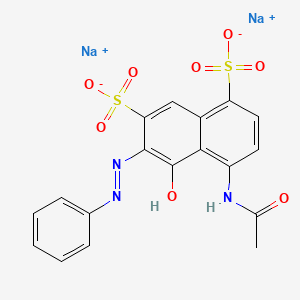
Identifiers
Functions
What does available trade activity indicate for Wheat straw pulp?
Wheat straw pulp is classified under HS Code 1302.19. This falls under Chapter 13: Lac; gums, resins and other vegetable saps and extracts, specifically Heading 1302 (Vegetable saps and extracts; pectic substances, pectinates and pectates; agar-agar and other mucilages and thickeners, whether or not modified, derived from vegetable products), under subheading: Vegetable saps and extracts; n.e.c. in item no. 1302.1.
* The data below is specific to the HS code, not the ingredient.
Suppliers
1,393
Across 76 countries
Shipments
10,957
from 2015 to 2026
Total weight
165.3M kg
15,939 TEU · standard 20-foot container units
Last shipment
8 months ago
Last updated at Feb 25, 2026
Growth
↑ 45%
Trade under 1302.19 has increased by 45% over the past 6 months
What does trade activity suggest about the Wheat Straw Pulp supply chain?
Trade activity under HS code 1302.19 indicates a large, active supply chain for vegetable saps and extracts, with 1,393 suppliers and 10,957 shipments recorded. This suggests a robust and ongoing market for botanical extracts, but the data is not specific to Wheat Straw Pulp. The presence of major flavor and fragrance houses, logistics providers, and diverse end-product manufacturers indicates the code captures a broad category of plant-derived materials. For Wheat Straw Pulp specifically, this signal is indirect and requires product-level verification to confirm relevance.
What does the HS or HTS classification include, and where are its limits for Wheat Straw Pulp?
The HS classification 1302.19 covers 'Vegetable saps and extracts; n.e.c. in item no. 1302.1', which is a broad category for processed botanical materials. This scope is a key limitation for Wheat Straw Pulp research because the code is not specific to pulp or straw-derived products. The data likely includes a wide range of extracts like aloe vera, ginseng, and various aromatic botanicals, making it impossible to isolate Wheat Straw Pulp activity. This classification is more aligned with processed extracts than raw fibrous pulp, which may fall under other HS chapters.
Which suppliers are associated with Wheat straw pulp trade?
| Supplier | Shipments | Top customer | Growth | Last shipment | |
|---|---|---|---|---|---|
No suppliers found. | |||||
How concentrated or diversified does the supplier landscape appear for Wheat Straw Pulp?
The supplier landscape under HS 1302.19 appears highly diversified, with 1,393 distinct suppliers across 76 countries. The top suppliers by shipment count include a mix of specialized botanical extractors, large flavor and fragrance houses, and logistics providers, indicating a fragmented market. This diversity suggests that no single supplier or region dominates the category. For Wheat Straw Pulp, this means the supplier base is likely not concentrated, but the data cannot confirm which of these entities actually supply the ingredient.
Which supply risks or dependencies around Wheat Straw Pulp require further diligence?
A primary supply risk is the lack of ingredient-specific data, as the HS code 1302.19 includes a broad range of vegetable extracts, making it difficult to assess true supplier dependencies for Wheat Straw Pulp. Further diligence is required to identify actual suppliers of this specific ingredient, as the current data includes many entities that likely do not handle it. Additionally, the presence of logistics providers and end-product manufacturers in the supplier list indicates a complex supply chain where the origin of the material is unclear, requiring verification of each supplier's product portfolio.
Which sourcing geographies and trade lanes appear most relevant to Wheat Straw Pulp?
The most relevant sourcing geographies based on shipment volume and supplier count are China, India, Mexico, Brazil, and Germany. These countries show the highest activity under HS 1302.19, suggesting they are major hubs for botanical extract production and export. However, this does not confirm they are significant sources of Wheat Straw Pulp specifically. The trade lanes from these regions to global markets are active, but without product-level data, it is not possible to determine which lanes are specific to Wheat Straw Pulp versus other extracts.
Which countries drive Wheat straw pulp trade activity?
By shipment count
China
1,699 shipments
229 suppliers
14.2M kg total weight
India
1,576 shipments
186 suppliers
14.7M kg total weight
Mexico
880 shipments
105 suppliers
17.3M kg total weight
France
816 shipments
87 suppliers
3.7M kg total weight
Germany
701 shipments
70 suppliers
14.8M kg total weight
South Korea
612 shipments
121 suppliers
3.1M kg total weight
Brazil
560 shipments
69 suppliers
31.4M kg total weight
Spain
409 shipments
60 suppliers
2.4M kg total weight
Chile
404 shipments
21 suppliers
3.3M kg total weight
Thailand
397 shipments
2 suppliers
6M kg total weight