Wheat Straw Pulp Environmental Fate & Ecotoxicity
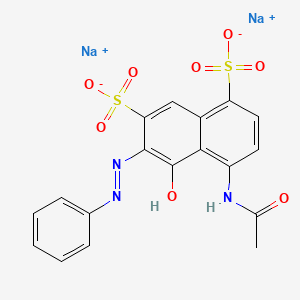
Identifiers
Functions
Where is Lignin used, and what role does it play in each application?
Lignin functions as a structural polymer, filler, binder, and functional additive across diverse applications. In composites and rubber, it acts as a reinforcing filler or impact modifier, sometimes replacing oil-based softeners. It serves as a primary binder component in adhesives, resins, and battery electrodes, often polymerized with crosslinkers. In packaging and films, it provides UV resistance, barrier properties, and acts as a reinforcing filler. In cosmetics, it functions as an antioxidant, colorant, opacifying agent, UV absorber/filter, and emulsion stabilizer. It also appears in hair styling and dye compositions, and as a processing aid in various industrial applications.
Which product or formulation problem does Lignin address?
Lignin addresses formulation problems related to sustainability, performance, and safety. It enables replacement of petrochemical-based components like phenolic resins and oil-based softeners, reducing reliance on fossil resources. It provides UV protection, antioxidant activity, and barrier properties against water and oil in packaging and cosmetics. In rubber and composites, it improves mechanical properties like impact strength and fluid permeability resistance. It also enables formaldehyde-free adhesive formulations, addressing health and regulatory concerns. Additionally, it can improve recyclability by enabling NIR sortability in thermoplastics.
What supports the main commercial or clinical uses of Lignin?
Evidence for lignin's main uses comes from regulatory listings, cosmetic function classifications, and patent filings. It is listed as an active commercial substance under TSCA and appears on the EPA Safer Chemical Ingredient list with a 'green circle' low concern verification. In cosmetics, it is officially recognized with functions including antioxidant, colorant, opacifying, UV absorber, and UV filter. Patent applications demonstrate claimed approaches for its use as a reinforcing filler in rubber and composites, binder in adhesives and electrodes, UV protector in sunscreens and films, and emulsion stabilizer. However, these patents represent claimed approaches, not necessarily market adoption.
Which formulation trade-offs should researchers consider for Lignin?
Key formulation trade-offs for lignin include color impact, processing complexity, and compatibility. Lignin's natural brown color can affect product aesthetics, especially in cosmetics and transparent films, though modifications like encapsulation or light-colored nanoparticle forms are claimed to mitigate this. Its reactivity and solubility vary with pH and modification, requiring specific processing conditions such as alkaline dissolution or enzymatic treatment. In composites, high lignin loadings may require compatibilizers or additives to maintain mechanical properties like impact strength and elongation. In rubber, lignin-based fillers may influence curing time, necessitating adjustments to curing agent systems.
What are the physicochemical properties of Wheat straw pulp?
| Property | Value | Category |
|---|---|---|
| Physical Description | Dry Powder; Liquid | Appearance |
| Exact Mass | 508.99394529 | Computed Molecular Properties |
| Monoisotopic Mass | 508.99394529 | Computed Molecular Properties |
| Topological Polar Surface Area | 205.0 | Computed Molecular Properties |
| Complexity | 863.0 | Computed Molecular Properties |
| Hydrogen Bond Donor Count | 2 | Computed Molecular Properties |
| Hydrogen Bond Acceptor Count | 10 | Computed Molecular Properties |
| Rotatable Bond Count | 3 | Computed Molecular Properties |
| Heavy Atom Count | 33 | Computed Molecular Properties |
| Formal Charge | 0 | Computed Molecular Properties |
Which formulation benchmark best contextualizes Lignin, and what differs?
A relevant formulation benchmark for lignin is its role as a bio-based alternative to synthetic phenolic resins and carbon black fillers. In adhesives, lignin-based formulations aim to replace phenol-formaldehyde resins, with patents claiming comparable performance while being formaldehyde-free. In rubber, lignin-based fillers are positioned as alternatives to carbon black, with claims of reducing or eliminating oil-based softeners. However, unlike carbon black, lignin requires specific surface area and modification to achieve reinforcing properties, and its impact on curing kinetics differs. This benchmark highlights lignin's potential to improve sustainability but also underscores the need for formulation adjustments to match conventional performance.