Allulose Toxicity
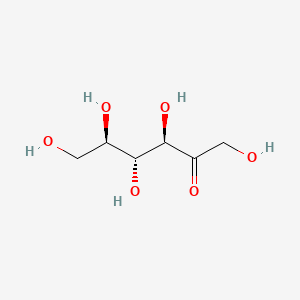
Identifiers
Functions
What are the material safety considerations for allulose?
Allulose is considered safe in its present practices of use and concentration, based on a Cosmetic Ingredient Review finding in rats. No GHS hazard classifications, exposure limits, or handling data are available in the supplied evidence. This supports its use as a humectant and skin conditioning agent in cosmetics, but the absence of standardized hazard classifications means formulators should rely on general ingredient safety profiles and good manufacturing practices. The safety conclusion is specific to the reviewed use and concentration, so any change in application or exposure level would require additional assessment.
How should hazard classifications and toxicology findings for allulose be interpreted together?
The available toxicology finding—a Cosmetic Ingredient Review conclusion of safety in present practices—should be interpreted as a positive safety signal for allulose in its intended cosmetic use. However, because no GHS classifications or acute toxicity endpoints are provided, this finding cannot be extrapolated to other exposure scenarios or higher concentrations. The absence of hazard classifications does not imply absence of hazard; it indicates a lack of standardized data. For regulatory or formulation decisions, this safety conclusion should be weighed alongside the ingredient's active status in the EU cosmetic ingredient database, which lists no restrictions or concentration limits.
Which exposure routes, dose contexts, or effects are material for allulose?
Material exposure considerations for allulose are limited to its function as a humectant and skin conditioning agent, indicating dermal exposure in cosmetic applications. The safety finding is based on a rat study, but the route is not specified, so the relevance to human dermal exposure is indirect. No exposure limits, dose-response data, or specific effect levels are provided. This means the primary exposure context is topical cosmetic use, and the safety conclusion supports that use. However, without quantitative exposure data, formulators should consider typical application amounts and potential for repeated exposure when developing products.
Which handling and risk-management measures are relevant for allulose?
Given the available safety finding and lack of hazard classifications, standard cosmetic ingredient handling practices are appropriate for allulose. No specific handling measures, exposure limits, or risk-management requirements are provided, so formulators should follow general good manufacturing practices for dry or liquid ingredients, including dust control and eye/skin protection as a precaution. The absence of regulatory restrictions in the EU cosmetic database supports routine handling. However, because no occupational exposure limits exist in the evidence, workplace controls should be based on the ingredient's physical form and the potential for dust generation, which is not detailed here.
Which safety evidence gaps should be resolved before making decisions about allulose?
Before making broader decisions about allulose, the key evidence gap is the absence of GHS hazard classifications, which are essential for standardized risk communication and labeling. Additionally, no exposure limits, acute toxicity endpoints, or route-specific data are available, limiting the ability to assess occupational or accidental exposure scenarios. The safety finding is based on a single review and does not specify the route or concentration, so its applicability to all cosmetic uses is uncertain. Resolving these gaps would require obtaining hazard classifications and quantitative toxicology data, which are not currently available in the supplied evidence.