“Allulose is a non-artificial sweetener that is found naturally occurring in figs and dates... it tastes and bakes just like the 'real' thing.”
Allulose Consumer Sentiment
CtrlK
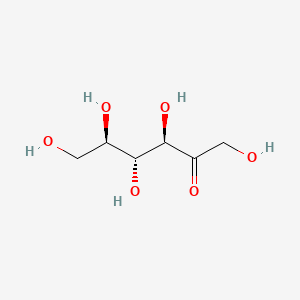
Identifiers
FormulaC6H12O6·CAS551-68-8
Functions
HumectantSKIN Conditioning
How do consumers feel about products containing Allulose?
Positive
Mixed
Negative
Consumers and experts view Allulose as a highly effective, natural sugar substitute that offers zero glycemic impact and superior baking properties without the aftertaste of other sweeteners.
Which consumer needs, benefits, and objections are associated with allulose?
Consumers associate allulose with three primary benefits: no blood sugar or insulin spikes, a natural taste without the chemical aftertaste of other sweeteners, and sugar-like browning and baking performance. These benefits are cited across keto, diabetic, and general health-conscious contexts, with products like protein bars, ice cream, and peanut butter spreads using allulose to achieve zero-added-sugar claims. No negative consumer objections were observed in the evidence. The business implication is that allulose's value proposition is built on metabolic neutrality and sensory authenticity, making it a premium sweetener for health-positioned products. A boundary is that the evidence is limited to positive sentiment, with no data on consumer concerns about cost, availability, or digestive tolerance.
What do consumers discuss about Allulose?
Baking and Texture Performance
Allulose is praised for its ability to mimic sugar's texture, browning, and mouthfeel in baked goods like ice cream, cookies, and bread without crystallizing or leaving a chemical aftertaste.
facebook
lemon8-app
youtube
pinterest
Metabolic Health and Keto Compatibility
Users highlight Allulose as a keto-friendly option with zero glycemic impact, noting potential benefits for blood sugar control and appetite regulation via GLP-1 stimulation.
facebook
lemon8-app
youtube
Blending with Other Sweeteners
Allulose is frequently used in blends with monk fruit or erythritol to create a more natural taste profile and eliminate the cooling effect or bitter aftertaste associated with single sweeteners.
facebook
lemon8-app
tiktok
Natural Origin and Safety
Consumers appreciate that Allulose is found naturally in fruits like figs and dates, and is recognized as safe by health institutions, distinguishing it from artificial sweeteners.
facebook
tiktok
youtube
Digestive Sensitivity
Some users report gastrointestinal distress or laxative effects when consuming Allulose, particularly if they are not accustomed to sugar substitutes or consume large amounts.
facebook
lemon8-app
How are current products and patent claims responding to consumer concerns about allulose?
Current products and patent claims are responding to consumer demand for sugar-free, low-glycemic foods by integrating allulose into a wide range of formats, including ice cream, jams, protein bars, confectionery, sauces, and beverages. Patent claims focus on solving technical hurdles that directly impact consumer experience, such as preventing crystallization in syrups, improving stability in dairy products, and maintaining texture in baked goods. For example, one patent claims a zero-calorie ice cream with allulose and sucralose, while another addresses pigment separation in dairy. These claims are evidence of formulation intent, not market adoption. The implication is that the industry is actively working to overcome the physical limitations of allulose to deliver on consumer expectations for clean-label, sugar-free products.
What concerns do consumers raise about Allulose?
Causes digestive issues or laxative effects
facebook
lemon8-app
Potential confusion regarding wheat-derived sources despite gluten-free labeling
facebook
Where is the gap between consumer expectations and the current allulose offering?
The gap lies in the limited scope of consumer evidence versus the breadth of product applications. Consumer insights highlight allulose in baking, snacks, and beverages, but the patent landscape shows a much wider range of potential uses, including savory applications like gochujang, fish cakes, and soy sauce, as well as functional health claims like blood clot prevention and skin whitening. This suggests that while consumers currently perceive allulose as a sweetener for keto and diabetic-friendly treats, the ingredient's potential extends into areas where consumer awareness and expectations are not yet established. The research implication is that there is an opportunity to educate consumers on allulose's broader functional benefits, but also a risk of overextending claims beyond current consumer understanding.
Which formulation approaches are being used to address those concerns around allulose?
Formulation approaches are primarily addressing stability, texture, and processability. To counter crystallization and ensure shelf-life, patents claim non-crystallisable syrups with D-allulose dimers, liquid compositions with reduced dissolved oxygen, and storage packages with nitrogen filling. For texture, crystalline allulose particles are claimed to improve hardening in chewing gum and restrict sandy texture in chewy candy, while combinations with psyllium husk or soluble corn fiber are used in jams and bars to build structure. To improve handling, solid sweetener blends and dried crystals with low water content are claimed. These approaches show a focus on making allulose a drop-in replacement for sugar without compromising the physical properties of the final product.
What consumer-led opportunity or risk should researchers consider for allulose?
A consumer-led opportunity exists in leveraging allulose's dual appeal for both metabolic health and sensory quality to expand into products beyond traditional sweet treats, such as savory sauces and condiments. The patent evidence shows formulation work in low-sugar gochujang and soy sauce, which aligns with consumer interest in reducing sugar without sacrificing flavor. However, a risk is that consumer perception is currently narrow, focused on keto and diabetic diets, which could limit broader market penetration. Researchers should consider that the positive sentiment around allulose's taste and lack of aftertaste is a strong foundation, but the lack of any negative consumer feedback in the evidence means potential concerns like digestive tolerance or price sensitivity are unaddressed and could emerge as adoption scales.