Allulose Patent Landscape
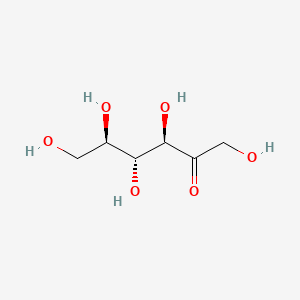
Identifiers
Functions
Which organizations and claims shape current development around allulose?
Key organizations include ingredient suppliers and food manufacturers. Corn Products Development, Tate & Lyle, Savanna Ingredients, and Roquette Freres are active in upstream processing and physical forms, claiming high-purity syrups, dried crystals, and direct compression excipients. Samyang Corp holds multiple patents on stability and storage, while CJ Cheiljedang explores functional applications like skin whitening. Daesang and Lotte focus on formulation challenges in dairy and ice cream. These claims suggest a competitive landscape where suppliers differentiate through ingredient quality and stability, while manufacturers focus on application-specific solutions. The breadth of assignees indicates a maturing ingredient with diverse industrial interest.
How is Allulose innovation changing in Food & Beverage?
Monthly patent filings by domain
Which technical problems do recent patents address with allulose?
Recent patents primarily address stability and physical-form challenges. Samyang Corp claims liquid allulose compositions with reduced dissolved oxygen (≤8 ppm) to limit degradation, and storage packages using nitrogen flushing and tin containers to maintain 90% allulose content over 10 weeks. Other patents tackle crystallization control, such as Roquette's non-crystallisable syrups containing D-allulose dimer, and Savanna's dried crystals with low water content for improved flowability. Formulation-specific issues include pigment separation in dairy (Daesang) and texture defects in fish cakes (Samyang). These claims indicate a focus on overcoming allulose's inherent instability and difficult handling, which are critical for broader food adoption.
How do recent patents change the role or application of allulose?
Allulose's role is expanding from a bulk sweetener to a multifunctional ingredient. Patents show its use as a direct compression excipient in tablets (Roquette), a textural modifier in chewing gum to accelerate hardening (KR102822583B1), and a binding agent in bar syrups (Corn Products). It also appears as a functional active for skin whitening (CJ Cheiljedang), blood clot prevention (Kyungpook National University), and endoplasmic reticulum stress reduction (Samyang). This shift implies that allulose is being positioned not just for sugar reduction but for added value in texture, stability, and health benefits, which could justify premium pricing and broader application across food, pharma, and cosmetics.
How is Allulose used in Food & Beverage patents?
Which Food & Beverage product categories feature Allulose in recent patents?
Which product categories and formulation strategies emerge in recent work on allulose?
Emerging strategies focus on solid formats and complex matrices. Corn Products claims a method to produce solid sweetener blends using allulose as both seed and syrup, enabling high-purity solids. Tate & Lyle and Savanna focus on high-purity syrups and dried crystals for improved handling. Product categories span low-sugar ice cream (Lotte), protein cookies (Kindabite), jams, sauces, and even meat aging systems (Saltbypeb). Formulation strategies include combining allulose with high-intensity sweeteners like sucralose and steviol glycosides to balance sweetness, and using co-ingredients like psyllium husk or modified starch to manage texture and stability. This indicates a move toward application-specific solutions that address allulose's unique physicochemical properties.
Where is the evidence-backed white space for further development of allulose?
Evidence-backed white space exists in stability and functional applications. While Samyang claims dissolved oxygen control and nitrogen packaging, there is room for alternative stabilization methods that do not require specialized packaging, which could reduce costs. Similarly, Roquette's non-crystallisable syrups and Savanna's dried crystals address crystallization, but further work on amorphous solid forms or composite materials could expand applications. In functional areas, patents on blood clot prevention and skin whitening are early-stage; more research is needed to validate efficacy and explore other metabolic benefits. Additionally, the use of allulose in non-food applications like meat aging is nascent, suggesting opportunities in savory and fermented products.